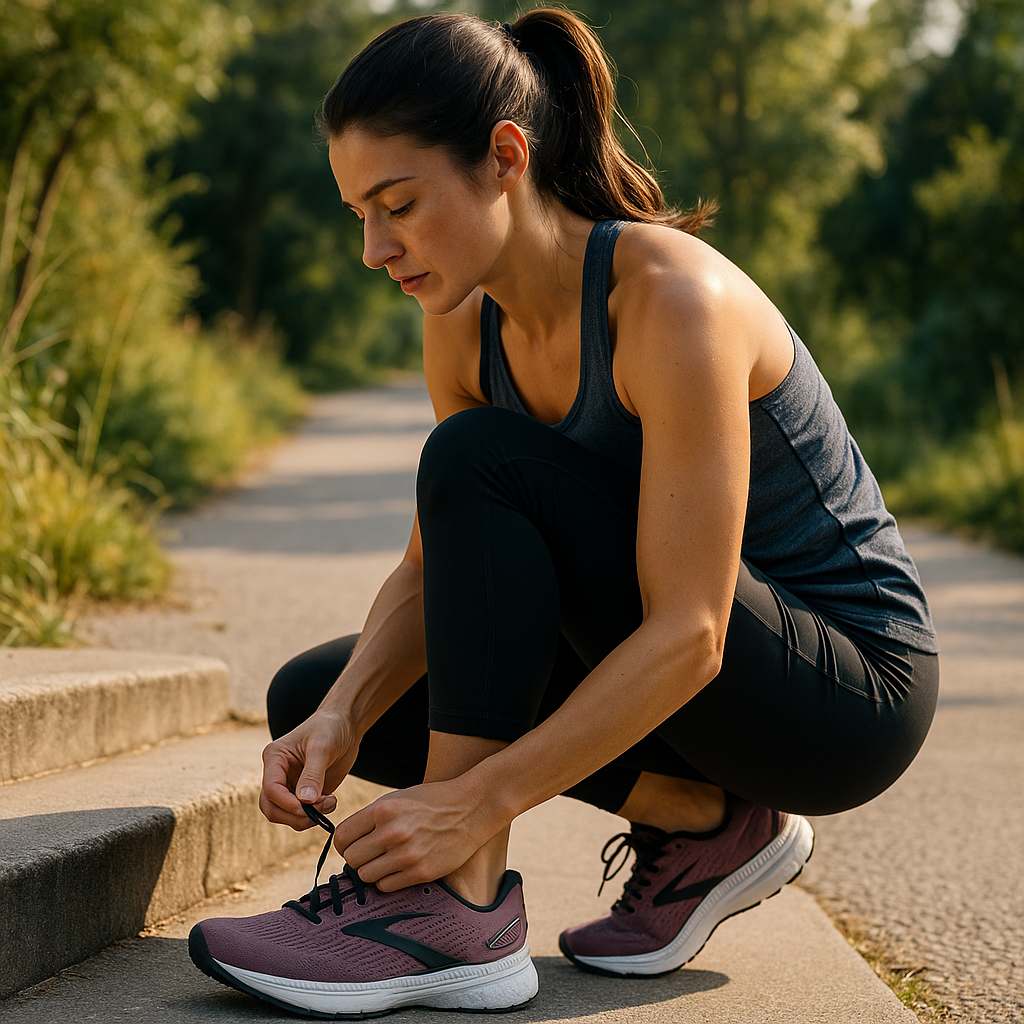
Run Smarter: 9 Brooks Running Shoes to Match Every Mile
Brooks has earned a reputation for producing reliable, comfortable running shoes that suit a wide range of runners — from new joggers to seasoned marathoners. Whether you want plush cushioning for long recovery miles, firm responsiveness for tempo efforts, or rugged traction for trails, there’s a Brooks model built around that need. This guide breaks down nine standout Brooks shoes, explains how to choose the right pair, and gives practical steps and a checklist for buying and fitting shoes that help you run comfortably and consistently.
Quick Summary
- Brooks makes a wide range of shoes: neutral daily trainers, max-cushion models, stability shoes, and trail options.
- Pick a shoe based on your gait, mileage goals, comfort preferences, and terrain — not just looks.
- Try shoes later in the day, test with your running socks, and do a short run or treadmill test before buying.
How to pick a Brooks shoe that fits your running
Choosing the right Brooks model starts with three basics: your foot shape and size, your running goals (easy miles, speedwork, hiking, racing), and the level of support you need. Brooks categorizes shoes by function — neutral, stability, max-cushion, and trail — so identify which category fits your needs first.
Consider these factors:
- Arch type and pronation: neutral runners usually prefer neutral trainers; those who overpronate may benefit from Brooks’ stability options.
- Mileage and training load: heavier weekly volume often needs more durable cushioning and support.
- Pace and workouts: tempo runs and races favor lighter, firmer models; recovery runs lean toward plush cushioning.
- Terrain: road shoes offer smooth midsoles and rubber meant for pavement; trail models add lugged outsoles and rock protection.
Top 9 Brooks running shoes — what each is best for
1. Brooks Ghost (neutral daily trainer)
Why it stands out: The Ghost series is Brooks’ do-it-all neutral trainer, known for balanced cushioning and a smooth ride. It’s a great pick for daily mileage, a mix of easy runs and occasional faster efforts.
Best for: Runners who want reliable cushioning without excess weight; beginners to advanced runners doing regular mileage.
Pros: Comfortable, durable midsole, versatile. Cons: Not the lightest option for targeted speedwork.
2. Brooks Glycerin (max cushion neutral)
Why it stands out: The Glycerin family focuses on plush, luxurious cushioning for long, comfortable miles. It’s built to soak up impact and keep legs fresh during extended runs.
Best for: Long-distance runners, recovery days, or runners who prefer a soft, pillowy feel.
Pros: Excellent shock absorption and comfort. Cons: Slightly heavier; less responsive for fast intervals.
3. Brooks Adrenaline GTS (stability workhorse)
Why it stands out: The Adrenaline GTS is Brooks’ flagship stability shoe, offering supportive guidance for runners who overpronate. It balances cushioning with a secure midfoot hold.
Best for: Runners needing moderate support who still want a comfortable daily trainer.
Pros: Reliable stability and smooth transitions. Cons: Not the top choice for maximal cushioning or racing.
4. Brooks Levitate (responsive, energy-return)
Why it stands out: Designed to feel springy and responsive, the Levitate suits runners who like a bouncy ride and want energy return for tempo runs or faster training.
Best for: Runners seeking a lively feel for faster training while retaining good cushioning for daily runs.
Pros: Snappy responsiveness and efficient feel. Cons: Firmer ride may not suit those seeking plush cushioning.
5. Brooks Launch (lightweight daily trainer)
Why it stands out: The Launch is a lighter option for runners who want a responsive, no-frills trainer that transitions easily to faster paces.
Best for: Tempo runs, interval sessions, and runners who prefer a lower-weight shoe for everyday use.
Pros: Lightweight and quick-feeling. Cons: Less plush for long, comfortable recovery runs.
6. Brooks Hyperion Tempo (speed/tempo trainer)
Why it stands out: Built for fast workouts and race-pace sessions, the Hyperion Tempo prioritizes low weight and a lively platform to help sustain quicker paces.
Best for: Interval days, tempo efforts, and shorter races.
Pros: Very responsive and light. Cons: Not ideal for high-mileage daily use without rotation.
7. Brooks Catamount (fast trail)
Why it stands out: The Catamount blends road-like responsiveness with aggressive trail traction for runners who want speed on dirt and mixed terrain.
Best for: Fast trail runs, trail races, and runners who need a nimble off-road shoe.
Pros: Strong grip and energy return on trails. Cons: Less protection for highly technical or rocky terrain.
8. Brooks Cascadia (durable trail)
Why it stands out: The Cascadia is a go-to for trail durability and underfoot protection, offering stability and rugged traction for long outings on variable surfaces.
Best for: Technical trail running, long-distance trail miles, and runners who want more protection and stability off-road.
Pros: Durable, protective, reliable grip. Cons: Heavier than road shoes; less snappy on smooth surfaces.
9. Brooks Addiction GTS (maximum support)
Why it stands out: The Addiction is a high-support option that focuses on motion control and durability, ideal for walkers and runners needing marked stability and arch support.
Best for: Runners or walkers who need strong support and cushioning for everyday use.
Pros: Excellent support and structure. Cons: Heavier and less flexible for fast running.
Practical steps to find the right Brooks shoe
- Measure your feet later in the day when they’re naturally a bit swollen and bring the socks you run in.
- Start with the category that fits your needs (neutral, stability, max cushion, or trail).
- Try shoes on both feet and walk or jog in-store; a short treadmill run is ideal to sense ride and fit.
- Check for about a thumb’s width of room at the toe and no slip in the heel when you push off.
- Buy from retailers with a good return policy so you can test-run outdoors for several miles.
- Rotate shoes if you train heavily — alternate a higher-cushion shoe with a lighter trainer to extend lifespan and vary impact loading.
- If you have persistent foot pain or suspect a gait issue, consult a podiatrist or physical therapist for personalized advice.
Checklist before you commit
- Correct length and width — toes can splay, but there’s no pinching
- Solid heel lock with no slipping
- Comfortable arch support for your foot type
- Intended use matches shoe category and outsole
- Weight feels appropriate for your typical workouts
- Return/warranty policy allows a test period
Common mistakes runners make when choosing Brooks shoes
- Buying shoes based on appearance instead of fit and function — looks don’t equal performance.
- Not testing shoes with running socks or on a short run — fit can change when you’re moving.
- Sticking with a single pair for everything — using a single shoe for speedwork, long runs, and trail miles can cause premature wear or discomfort.
- Waiting too long to replace worn shoes — midsoles lose cushioning and support over time, often before the outsole looks worn.
- Ignoring professional advice for chronic pain — persistent pain should prompt evaluation from a clinician instead of shoe changes alone.
Conclusion
Brooks offers dependable options across the running spectrum, from plush long-run cushioning (Glycerin) to stability staples (Adrenaline GTS) and trail-ready models (Cascadia, Catamount). The best Brooks shoe for you depends on your gait, training goals, terrain, and personal comfort preferences. Use the practical fitting steps and checklist above, test shoes in real conditions when possible, and rotate footwear to match different workouts. If you have ongoing foot pain or a medical condition that affects your running, consult a healthcare or gait professional for tailored advice.
FAQ
1. How often should I replace my Brooks running shoes?
Most runners replace shoes every 300–500 miles, depending on weight, running style, and shoe model. Watch for signs like reduced cushioning, increased aches, or visible midsole creasing. If you’re unsure, track mileage and inspect shoes regularly.
2. Can I use a Brooks road shoe on light trails?
Light, well-maintained trails can be fine for some road shoes, but you’ll get better grip and protection from dedicated trail models. For uneven, rocky, or muddy terrain, choose a trail shoe with a sturdier outsole and rock plate or reinforced protection.
3. Which Brooks shoe is best for flat feet or overpronation?
Brooks’ stability line, especially the Adrenaline GTS, is commonly recommended for runners who overpronate and want structured support. For chronic issues or pain related to flat feet, consult a podiatrist or physical therapist for personalized recommendations and possible orthotics.
4. Are Brooks shoes good for walking as well as running?
Yes. Many Brooks models, particularly stable or max-cushion options like the Addiction or Glycerin, work well for walkers because they offer support and comfort for long periods of standing or walking.
5. How should I size Brooks running shoes compared to my everyday shoes?
Running shoes typically require slightly more length than casual shoes — aim for a thumb’s width of space before your longest toe and consider a wider fit if your feet are broad. Fit can vary by model, so always try on and move around in the shoe before buying, and take advantage of return policies to test them outside the store.
Part of the Complete Strength Training Guide
Explore more: Endurance & Running Training Hub













1 comment