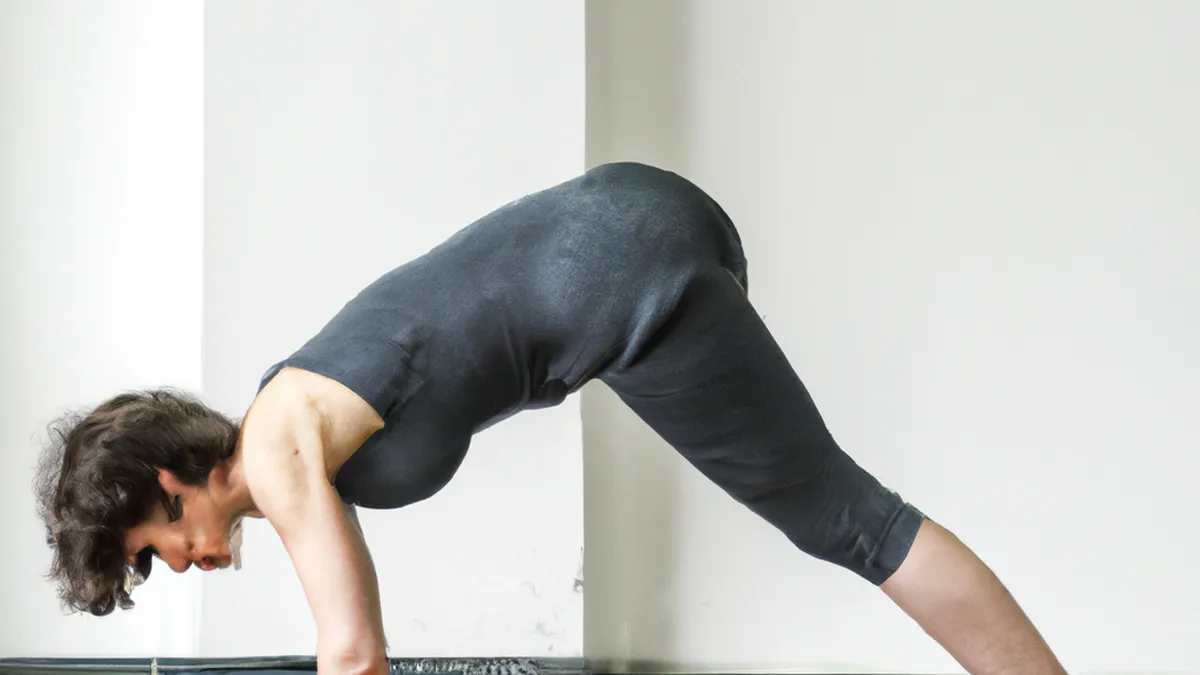
Bend It Like a Pro: Flexibility Tips
Flexibility Routines for Improved ManeuverabilityFlexibility enhances mobility and simplifies daily tasks. Athletes and casual movers alike benefit from flexibility routines. This post highlights effective routines to boost maneuverability.
Understanding Flexibility
Flexibility defines the range of motion around joints. It enables strain-free movement. Flexible muscles and tendons allow for greater freedom. Incorporate flexibility routines to improve performance and lower injury risk.
Why Flexibility Matters
Flexibility enhances balance and coordination. It helps you reach objects, turn quickly, and change direction. Increased flexibility boosts sports performance. You can kick, jump, and sprint more effectively with fluid movement.Flexibility routines also reduce muscle tension. This relief accelerates recovery from workouts. You can engage in activities with less discomfort.
Tips for Effective Flexibility Routines
As an Amazon Associate I earn from qualifying purchases.
Gear tip: consider compression sleeves, compression socks, and percussive massager to support this topic.
Follow these tips to improve flexibility. Consistency matters. Aim for at least 15 minutes of stretching daily.
Start with a Warm-Up
Begin your routine with a warm-up. Warming up boosts blood flow to muscles. Perform light aerobic exercises like jogging for 5-10 minutes. This step reduces injury risk.
Stretch Major Muscle Groups
Stretch all major muscle groups. Target hamstrings, quadriceps, hip flexors, and shoulders. Use both static and dynamic stretches. Static stretches hold a position, while dynamic stretches involve movement.Try these stretches:- **Standing Quadriceps Stretch**: Stand on one leg, pull the opposite heel toward your glutes for 20-30 seconds.- **Seated Hamstring Stretch**: Sit with one leg extended; reach for your toes for 20-30 seconds.- **Dynamic Leg Swings**: Stand on one leg; swing the other leg forward and backward 10-15 times.
Incorporate Yoga or Pilates
Add yoga or Pilates to your routine. Both focus on stretching and strengthening. They improve flexibility and core stability, enhancing movement control. Explore online resources and classes that suit your needs.
Advice for Staying Motivated
Stay motivated with these strategies.
Set Realistic Goals
Establish achievable flexibility goals. Instead of touching your toes immediately, focus on small progress. Celebrate victories to maintain motivation.
Track Your Progress
Keep a journal to record flexibility progress. Note completed stretches and observed improvements. This accountability helps you stay focused and encourages growth.
Make It Enjoyable
Choose a convenient time for your routine. Play music or invite a friend to join. Enjoyable routines keep you engaged and motivated.
Benefits of Improved Flexibility
Improving flexibility offers numerous advantages. First, it enhances physical performance, increasing strength and endurance. Second, flexibility lowers injury risk. Flexible muscles absorb shock better, protecting joints from strains or sprains.Additionally, flexibility routines improve posture. Good posture reduces back pain and stress on the body. You’ll feel more comfortable in daily activities.Lastly, flexibility routines support mental well-being. Stretching acts as moving meditation, clearing your mind and focusing on your body. This practice reduces stress and anxiety.
Conclusion
Incorporating flexibility routines into your life boosts maneuverability. Understand flexibility’s importance, follow effective tips, and stay motivated. The benefits extend beyond physical capabilities, supporting mental well-being. Start your flexibility journey today for a more agile, resilient body.
Below are related products based on this post:
FAQ
What is flexibility?
Flexibility refers to the range of motion around joints, allowing for strain-free movement. It involves flexible muscles and tendons that enable greater freedom of movement. Incorporating flexibility routines can enhance performance and lower the risk of injury.
Why is flexibility important for athletes?
Flexibility is crucial for athletes as it enhances balance and coordination. Improved flexibility allows athletes to reach objects, turn quickly, and change direction effectively, boosting overall sports performance. It also helps reduce muscle tension and accelerates recovery from workouts.
What are some effective flexibility routines?
Effective flexibility routines include stretching all major muscle groups, such as hamstrings, quadriceps, hip flexors, and shoulders. Incorporating both static and dynamic stretches is beneficial. Additionally, adding practices like yoga or Pilates can further improve flexibility and core stability.














Post Comment