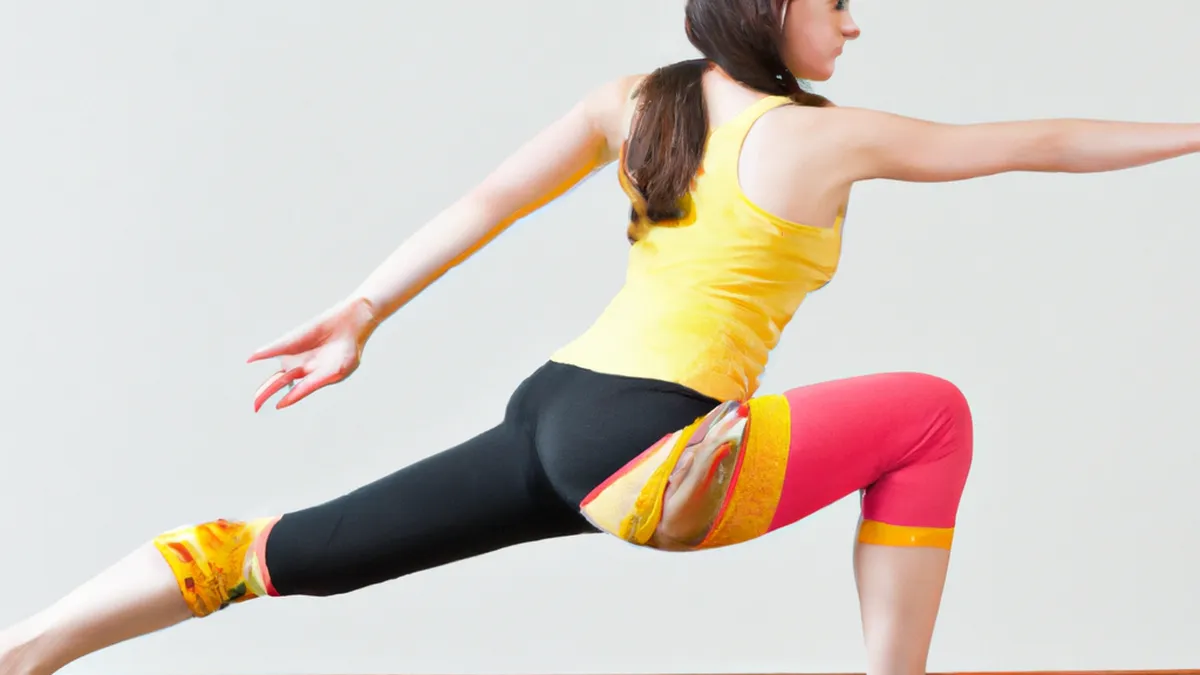
Bend and Stretch: Your Orienteering Advantage
Flexibility Routines for Orienteers
Orienteering demands physical and mental agility. Navigating dense forests or sprinting across fields requires flexibility. A good routine enhances performance, reduces injury risk, and aids recovery. This post outlines effective flexibility routines for orienteers.
The Importance of Flexibility in Orienteering
As an Amazon Associate I earn from qualifying purchases.
Gear tip: consider yoga strap, stretching strap, and yoga blocks to support this topic.
Flexibility impacts overall performance. It allows free and efficient movement. Stretching muscles improves your range of motion. This flexibility helps you navigate uneven terrain confidently. It also aids quick directional changes during races.Flexibility reduces injury risk. Stiff muscles increase strain and tears. Incorporating routines keeps your body limber and ready. Stretching also aids recovery after long runs. Your muscles need time to relax and recuperate. Stretching leads to quicker recovery times.
Simple Flexibility Routines for Orienteers
Dynamic Stretching Before a Run
Dynamic stretching warms your muscles and prepares you. Focus on movements that mimic orienteering actions. Try these effective dynamic stretches:1. **Leg Swings**: Stand next to a wall. Swing one leg forward and backward for 10-15 reps. Switch legs and repeat.2. **Walking Lunges**: Step forward into a lunge. Keep your knee behind your toes. Push off and bring the back leg forward. Do 10 lunges on each leg.3. **Arm Circles**: Stand with arms extended. Make small circles, gradually increasing size. Do this for 30 seconds in both directions.These stretches increase blood flow and prepare muscles for the course.
Static Stretching After a Run
Static stretching cools down your body and maintains flexibility. Hold each stretch for 15-30 seconds. Try these static stretches:1. **Hamstring Stretch**: Sit with one leg extended. Reach towards your toes while keeping your back straight. Hold, then switch legs.2. **Quadriceps Stretch**: Stand on one leg and grab your opposite ankle. Pull your heel towards your glutes. Keep knees close and hold.3. **Shoulder Stretch**: Bring one arm across your body. Use your other arm to press it closer to your chest. Hold, then switch arms.Incorporating these stretches post-run significantly enhances flexibility over time.
Incorporating Yoga into Your Routine
Yoga offers a comprehensive approach to flexibility. Many poses focus on stretching and strengthening specific muscle groups. Try these yoga poses:1. **Downward Dog**: Start on all fours. Lift your hips and straighten your legs, forming an inverted V. Hold to stretch your hamstrings and shoulders.2. **Pigeon Pose**: Bring one leg forward and extend the other back. This pose opens your hips, essential for agility.3. **Cat-Cow Stretch**: Begin on all fours. Alternate between arching your back (cat) and dropping your belly (cow). This stretch improves spinal flexibility.Adding yoga to your routine provides physical and mental benefits.
Benefits of a Flexibility Routine
A well-rounded flexibility routine offers many advantages. First, it improves overall athletic performance. You’ll feel more agile and responsive during races. Second, it enhances balance and coordination, vital for success in orienteering.Flexibility routines promote better posture. Improved posture reduces injury risk during long runs. Stretching alleviates muscle tension, enhancing comfort and focus while navigating a course.Finally, flexibility routines can be relaxing. After an intense run, stretching allows your body to unwind. This relaxation improves mental clarity, helping you think clearly during races.
Conclusion
Incorporating flexibility routines into your training elevates orienteering performance. Dynamic stretching prepares your body, while static stretching aids recovery. Yoga offers a holistic approach to flexibility and mental focus. Commit to a consistent routine to enhance agility, reduce injury risks, and improve overall performance. Make flexibility a priority in your training regimen, and watch your orienteering skills soar.
Below are related products based on this post:
FAQ
Why is flexibility important for orienteers?
Flexibility is crucial for orienteers as it impacts overall performance and allows for free and efficient movement. Improved range of motion helps navigate uneven terrain confidently and facilitates quick directional changes during races. Additionally, flexibility reduces the risk of injuries caused by stiff muscles.
What are some effective dynamic stretches to do before a run?
Dynamic stretches like leg swings, walking lunges, and arm circles are effective before a run. These movements mimic orienteering actions, increase blood flow, and prepare the muscles for the course. Performing these stretches can enhance your readiness and performance during races.
How can yoga benefit orienteers?
Yoga provides a comprehensive approach to flexibility, focusing on both stretching and strengthening specific muscle groups. Poses like Downward Dog and Pigeon Pose improve flexibility and agility, while the Cat-Cow Stretch enhances spinal flexibility. Incorporating yoga into your routine also offers mental benefits that can aid concentration during races.











Post Comment