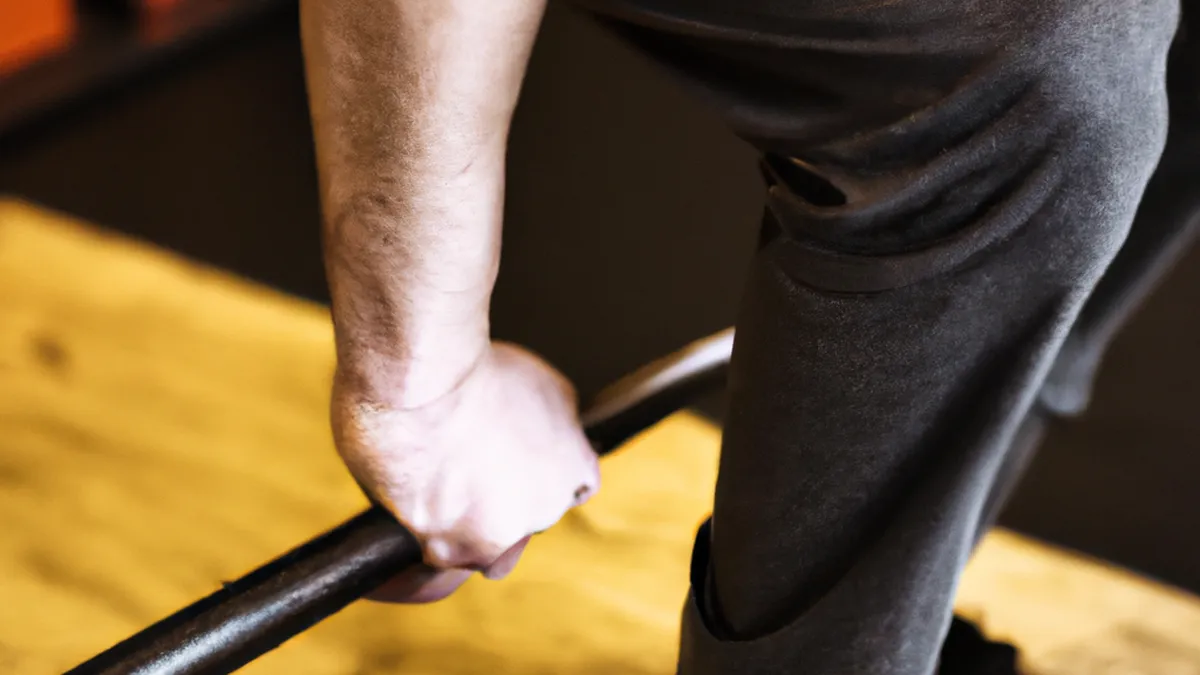
Belt Up: Boost Your Lifting Performance
The Importance of Lifting BeltsWeightlifting prioritizes safety. Heavy lifting strains your body, especially your back and core muscles. Lifting belts offer support and stability during heavy lifts. They significantly reduce injury risk. This blog post explores lifting belt importance, usage tips, selection advice, and their many benefits.
Why Lifting Belts Are Important
Lifting belts support your lower back and core during heavy lifts. They increase intra-abdominal pressure, stabilizing the spine and reducing lower back load. Here’s why lifting belts matter:
Injury Prevention
Lifting belts prevent injuries. Heavy weights stress the spine significantly. A belt evenly distributes the load across your core, easing lower back strain. This is vital for compound movements like squats and deadlifts, where injury risk rises. Studies show lifters using belts experience fewer injuries than those who don’t.
Enhanced Performance
Lifting belts enhance performance by enabling safer, heavier lifts. With added support for your core and lower back, you can push limits without sacrificing form. This leads to increased strength gains and improved overall performance. Many experienced lifters can lift more weight with a belt than without it.
Improved Technique
Lifting belts promote better lifting technique. They provide feedback and support, encouraging proper posture and core engagement. This fosters good lifting habits, reducing injury likelihood over time. A belt reminds you to keep your spine neutral and core engaged, essential for successful lifts.
Tips for Using Lifting Belts
As an Amazon Associate I earn from qualifying purchases.
Gear tip: consider lifting belt, standing desk balance board, and desk cycle to support this topic.
Correctly using a lifting belt maximizes its benefits. Here are essential tips:
Ensure Proper Fit
First, ensure your belt fits snugly around your waist. A loose belt lacks support, while a tight belt restricts breathing and movement. Find a balance that feels secure yet comfortable. When trying on a belt, ensure you can breathe deeply and engage your core comfortably.
Use During Heavy Lifts
Wear your lifting belt during heavy lifts, especially for compound movements like squats, deadlifts, and overhead presses. These exercises strain your core and lower back the most. Wearing a belt during these lifts stabilizes your spine and maintains proper form, leading to safer and more effective workouts.
Engage Your Core
Remember to engage your core while lifting.
Conclusion
Lifting belts provide crucial support, enhance performance, and promote proper technique. Use them wisely for safer lifting.
Below are related products based on this post:
FAQ
Why are lifting belts important?
Lifting belts are important because they support the lower back and core during heavy lifts. They increase intra-abdominal pressure, which stabilizes the spine and reduces the load on the lower back, thus preventing injuries.
How do lifting belts prevent injuries?
Lifting belts help prevent injuries by evenly distributing the load across the core, which eases the strain on the lower back. This is especially crucial during compound movements like squats and deadlifts, where the risk of injury is higher.
What are some tips for using lifting belts effectively?
To use lifting belts effectively, ensure that the belt fits snugly around your waist without being too tight. It’s also important to wear the belt during heavy lifts and to engage your core while lifting for maximum support and stability.














Post Comment