
Athletic Shoes: Key Features for Safety
Footwear Selection to Prevent InjuriesChoosing the right footwear prevents injuries. Your shoes support your body and maintain comfort while walking, running, or playing sports. The right pair enhances performance, while the wrong pair causes discomfort, pain, and long-term injury. This blog offers a guide for selecting the best footwear to keep you safe, comfortable, and active.
Understanding Foot Mechanics
Foot mechanics describe how our feet move and function. Each foot has unique arches and structures that need specific support. The three main arch types are flat feet (pronated), neutral arches, and high arches (supinated). Identify your foot type to select appropriate footwear.
The Importance of Arch Support
Arch support maintains balance and stability. Shoes lacking support can cause injuries like plantar fasciitis, shin splints, and Achilles tendinitis. Individuals with flat feet often need more arch support to prevent inward rolling during movement. Conversely, high arches may require cushioning to absorb shock and protect joints. Always consider your arch type when choosing shoes.
Cushioning Matters
Cushioning absorbs impact during activities. It reduces stress on your joints and muscles, especially during high-impact activities like running or jumping. Without adequate cushioning, injury risks increase significantly. Seek shoes with sufficient padding if you regularly engage in sports or high-impact exercises.
Tips for Selecting the Right Footwear
As an Amazon Associate I earn from qualifying purchases.
Gear tip: consider steel mace, indian clubs, and sandbag trainer to support this topic.
When selecting footwear, consider several factors for optimal comfort and injury prevention, including fit, purpose, materials, and style. Here are some practical tips to guide your decision.
1. Get the Right Fit
Fit is crucial for footwear selection. Tight shoes cause blisters, calluses, and foot problems, while loose shoes lead to instability and sprains. Measure your feet at day’s end when they swell. When trying on shoes, ensure a thumb’s width of space between your longest toe and the shoe’s end. Check that the shoe holds your heel securely without slipping.
2. Choose the Right Type
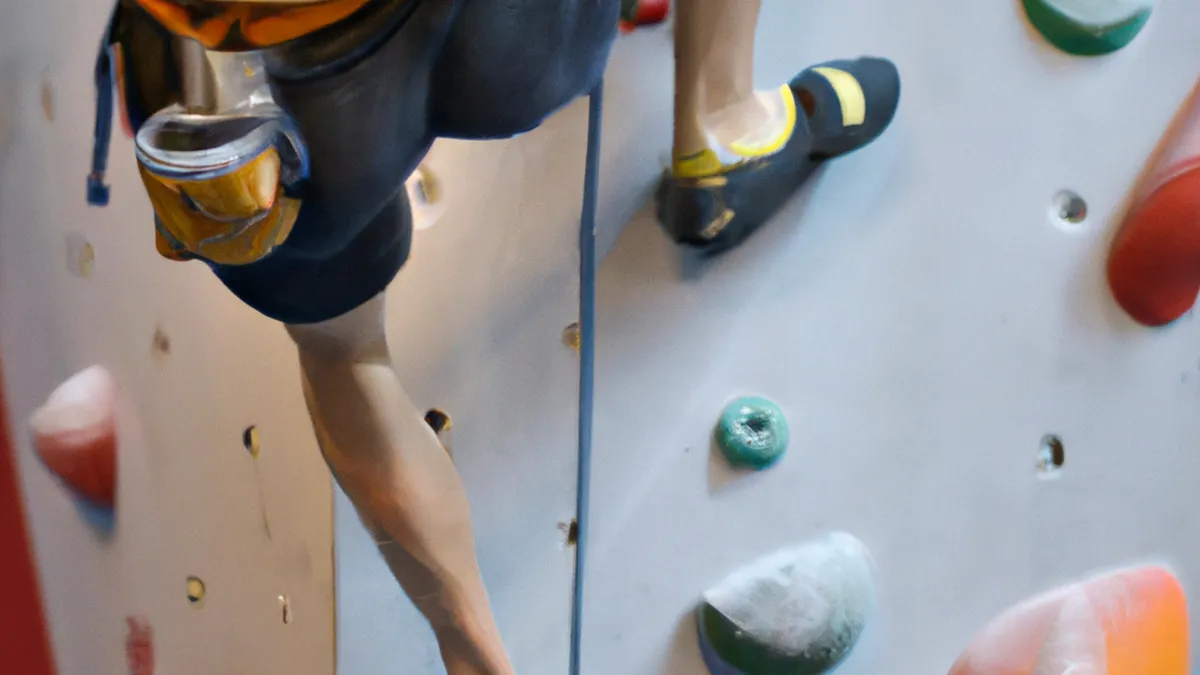
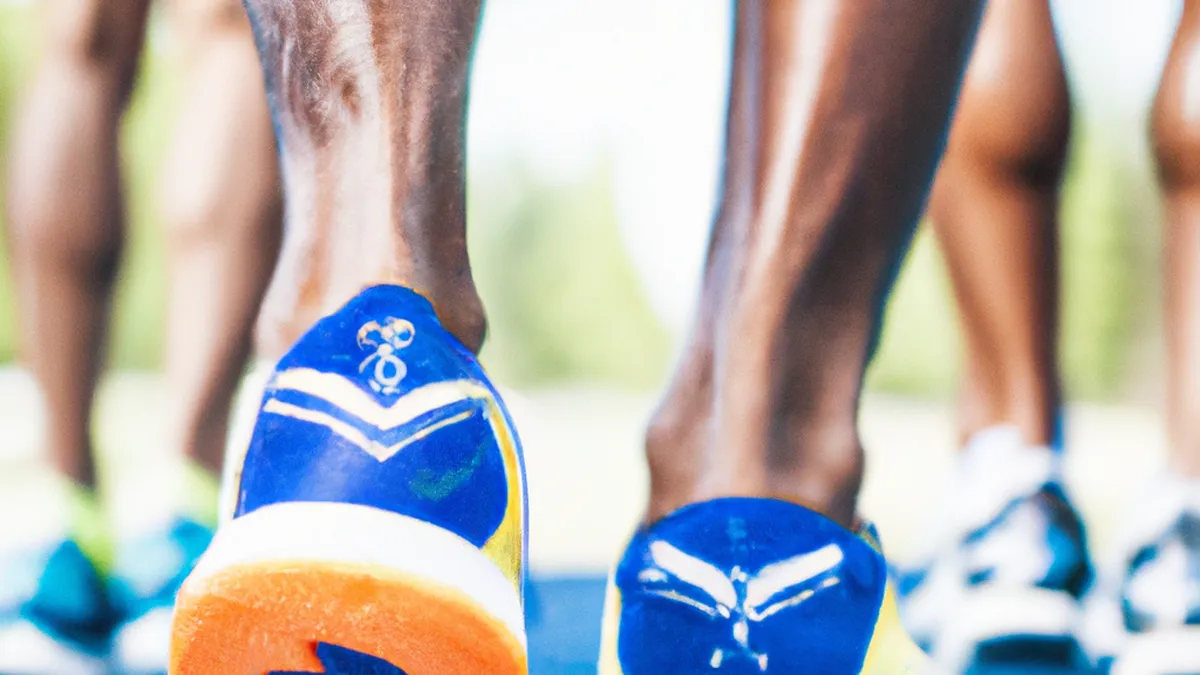
Different activities require specific footwear. For running, choose shoes providing support, cushioning, and stability features. Look for shoes designed for your foot type and running style. For example, consider stability or motion control shoes if you overpronate. For hiking, select shoes with sturdy soles, enhanced traction, and waterproof materials to protect your feet on uneven terrain. Always match your shoes to the activity to minimize injury risks.
3. Pay Attention to Materials
Select shoes made from breathable and durable materials. Breathable materials keep your feet dry and comfortable, while durable materials ensure longevity and performance. Always check the shoe’s construction and quality to ensure it meets your needs.
Conclusion
Choosing the right footwear enhances comfort and prevents injuries. Consider fit, arch support, cushioning, and activity type for optimal results.
Below are related products based on this post:
FAQ
Why is choosing the right footwear important?
Choosing the right footwear is crucial to prevent injuries and maintain comfort while walking, running, or playing sports. Proper shoes support your body and enhance performance, while the wrong pair can lead to discomfort, pain, and long-term injury.
What factors should I consider when selecting footwear?
When selecting footwear, consider fit, arch support, cushioning, and the specific activity for which the shoes will be used. Ensuring the right fit and appropriate features for your foot type can significantly minimize injury risks.
How does arch support affect my foot health?
Arch support is vital for maintaining balance and stability during movement. Shoes lacking proper arch support can lead to injuries such as plantar fasciitis and shin splints, making it essential to choose shoes that cater to your specific arch type.







Post Comment