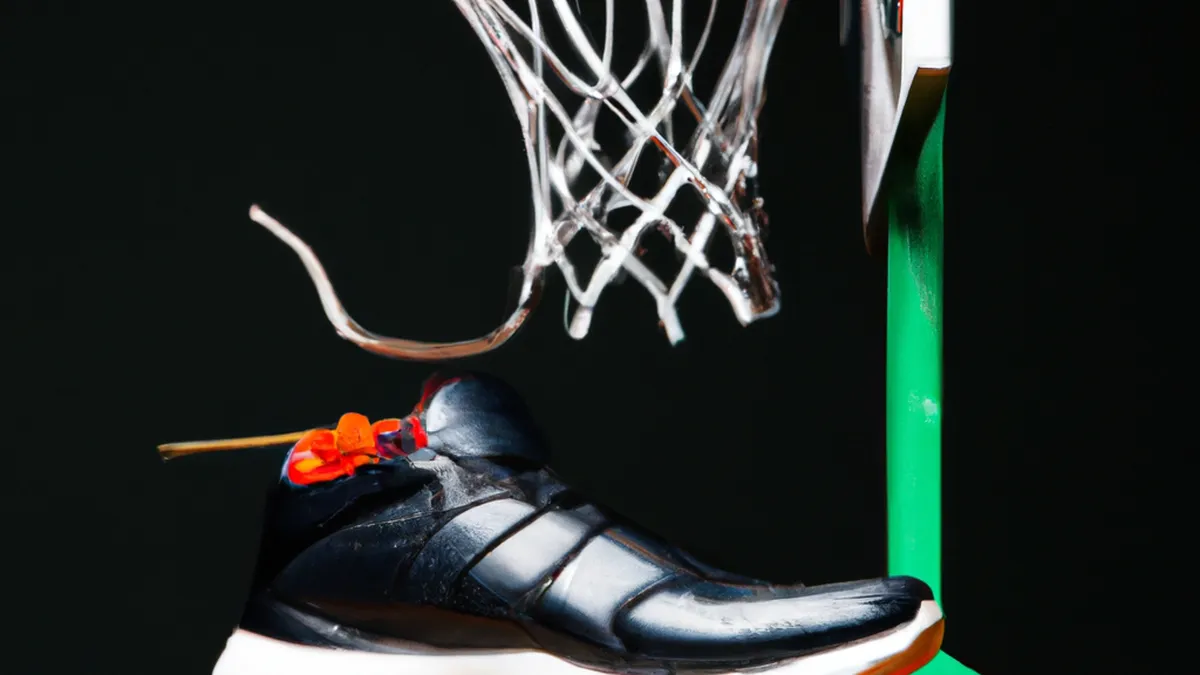
Athletic Footwear: The Link to Injury Rates
Footwear Impact on Injury RiskChoosing the right footwear significantly affects injury risk. Many people underestimate this fact. Your shoes play a crucial role whether you walk, run, or engage in sports. This blog post explores how footwear impacts injury risk and offers practical tips for better choices.
Understanding Footwear and Injury
Footwear directly influences body mechanics, affecting how your body absorbs impact forces. Poorly designed or ill-fitting shoes can cause misalignment, leading to pain or injury. For example, shoes lacking adequate support can result in plantar fasciitis, shin splints, or stress fractures. The wrong type of shoe can worsen existing foot conditions, increasing injury risk. Understanding the link between footwear and injury is essential for maintaining an active lifestyle.
Types of Footwear
Different activities require different shoes. Running shoes offer cushioning and support, absorbing shock with each step. Basketball shoes provide lateral support to prevent ankle injuries during quick pivots and jumps. Walking shoes are lighter and more flexible, promoting a natural walking motion.Choosing the right footwear based on activity level is vital. Using running shoes for basketball or walking shoes for running may increase injury risk due to inadequate support. Transitioning between activities may require different footwear.
Assessing Your Foot
Before purchasing shoes, assess your foot type. A simple wet test can determine your arch type: wet your foot and step on cardboard to see the imprint. This test guides you toward the right shoe. Individuals with high arches need extra cushioning, while those with flat feet may require stability features to prevent overpronation. Understanding your foot type aids in selecting appropriate footwear.
The Importance of Fit
Fit is crucial when selecting footwear. Shoes should feel snug but not tight. Your toes should wiggle, and your heel should not slip out while walking or running. Always try on shoes at the end of the day when your feet swell slightly for a more accurate fit. Walk around the store to test comfort and support. If they don’t feel right in the store, they probably won’t feel right outside. A proper fit significantly reduces injury risk, making it essential in footwear selection.
Tips for Choosing the Right Footwear
As an Amazon Associate I earn from qualifying purchases.
Gear tip: consider basketball shoes, running shoes, and basketball to support this topic.
1. **Know Your Activity**: Choose shoes designed for your specific activity. Using the wrong footwear increases discomfort and injury likelihood. 2. **Get the Right Size**: Regularly measure your feet, as shoe sizes can change.
Conclusion
Choose appropriate footwear to reduce injury risk and enhance comfort. Understanding your foot type and selecting the right fit will support an active lifestyle.
Below are related products based on this post:
FAQ
How does footwear affect injury risk?
Footwear plays a crucial role in body mechanics, influencing how impact forces are absorbed. Poorly designed or ill-fitting shoes can cause misalignment, leading to pain or injury. Choosing the right shoes is essential for maintaining an active lifestyle and preventing conditions like plantar fasciitis and stress fractures.
What types of footwear are suitable for different activities?
Different activities require specific types of footwear to provide the necessary support and cushioning. For example, running shoes are designed to absorb shock, while basketball shoes offer lateral support to prevent ankle injuries. Using the wrong type of shoe for an activity can increase the risk of injury.
How can I determine my foot type for the right shoe selection?
You can determine your foot type by performing a simple wet test. Wet your foot and step on cardboard to see the imprint. This will help you identify your arch type, guiding you towards the appropriate footwear, whether you need extra cushioning or stability features.













Post Comment