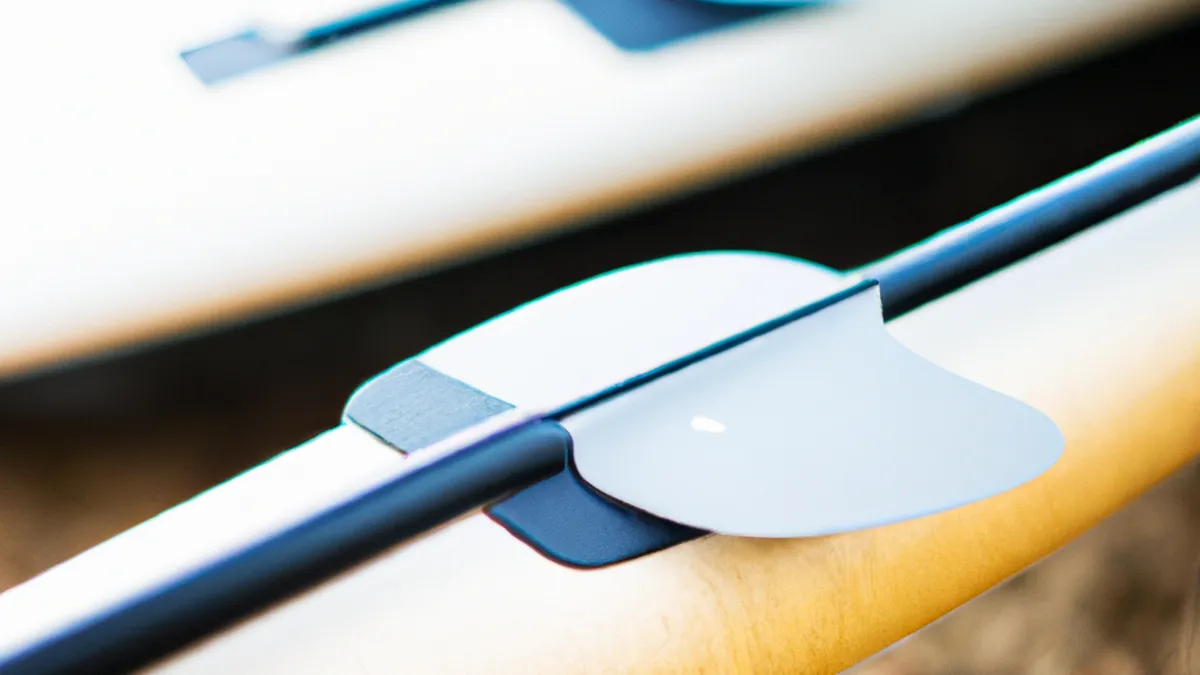
Adjustable vs. Fixed Length Paddles
Understanding Paddle Types and Their FeaturesChoosing the right paddle significantly impacts your paddling experience. Whether you kayak, canoe, or stand-up paddleboard, understanding paddle types is crucial. This blog post explores various paddle types and their features.
Types of Paddles
Kayak Paddles
Kayak paddles prioritize efficiency and speed. They feature a long shaft with two blades, one at each end. Blades can be symmetrical or asymmetrical. Symmetrical blades provide consistent power, while asymmetrical blades offer smoother strokes.When selecting a kayak paddle, consider its length. Longer paddles provide better reach, while shorter paddles offer more control. Material also matters. Lightweight carbon fiber paddles appeal to serious kayakers, while aluminum paddles offer affordability and durability.
Canoe Paddles
Canoe paddles differ from kayak paddles. They typically feature a single blade and shorter shaft. This design allows versatile paddling styles. Canoers often switch sides while paddling, using various strokes for different conditions.Canoe paddles come in wood, plastic, and fiberglass. Wooden paddles offer a classic look but can be heavier. Plastic paddles provide durability and affordability, ideal for beginners. Fiberglass paddles balance weight and strength.
Stand-Up Paddle (SUP) Paddles
Stand-up paddleboards require specialized paddles. SUP paddles are usually longer with wider blades. This design helps paddlers maintain balance while moving forward. Users can choose adjustable or fixed SUP paddles.When selecting an SUP paddle, consider blade shape. Wider blades deliver more power but can be tiring for long distances. Narrower blades reduce resistance and suit endurance paddling. Material also matters; lightweight paddles minimize fatigue.
Paddle Features to Consider
As an Amazon Associate I earn from qualifying purchases.
Gear tip: consider ergonomic footrest, sport sunscreen, and massage ball set to support this topic.
Blade Shape
Blade shape significantly influences performance. Wider blades offer greater propulsion due to increased surface area. However, they can cause fatigue over time. Narrower blades are easier to handle for extended periods.
Length
Paddle length affects comfort and efficiency. For kayaks, choose a paddle that reaches your chin when standing next to it. Canoe paddles should reach from your chin to your nose. For SUP paddles, select a length 6-8 inches taller than you.
Material
Materials impact weight, durability, and cost. Carbon fiber paddles are light but costly. Fiberglass paddles provide a great mid-range option. Aluminum paddles offer budget-friendliness and sturdiness. Consider your paddling frequency and style when selecting material.
Tips for Choosing the Right Paddle
1. **Assess Your Activity**: Determine whether you will kayak, canoe, or paddleboard. This decision guides your paddle selection.2. **Test Different Lengths**: Try various paddle lengths to find the most comfortable fit.3. **Consider Your Strength**: Beginners or those with limited strength should opt for lighter paddles to reduce fatigue.4. **Check Blade Angles**: Experiment with paddles that have angled blades to enhance stroke efficiency.
Benefits of Using the Right Paddle
Using the right paddle enhances your experience on the water. It improves efficiency, allowing longer distances with less effort. Additionally, the right paddle helps prevent injuries. A poorly fitted paddle can cause strain and discomfort.Moreover, the right paddle increases enjoyment. Comfort and efficiency allow you to focus on the beauty around you. A well-chosen paddle enhances your connection to nature and enriches your time on the water.
Conclusion
Choosing the right paddle is crucial for an enjoyable paddling experience. Kayak, canoe, and SUP paddles each cater to different activities. By considering blade shape, length, and material, you can find the perfect paddle for your needs. The right paddle enhances efficiency and comfort, enriching your time on the water. Explore your options and find the paddle that suits you best!
Below are related products based on this post:
FAQ
What are the main types of paddles?
The main types of paddles include kayak paddles, canoe paddles, and stand-up paddle (SUP) paddles. Each type is designed for specific activities and offers unique features that cater to the needs of paddlers.
How does paddle length affect performance?
Paddle length significantly influences comfort and efficiency. For kayaks, the paddle should reach your chin, while canoe paddles should reach from your chin to your nose. For SUP paddles, a length 6-8 inches taller than you is recommended.
What materials are commonly used for paddles?
Paddles are typically made from carbon fiber, fiberglass, plastic, or wood. Carbon fiber is lightweight but expensive, fiberglass offers a good balance, while plastic and wood provide durability and a classic look, respectively.














Post Comment