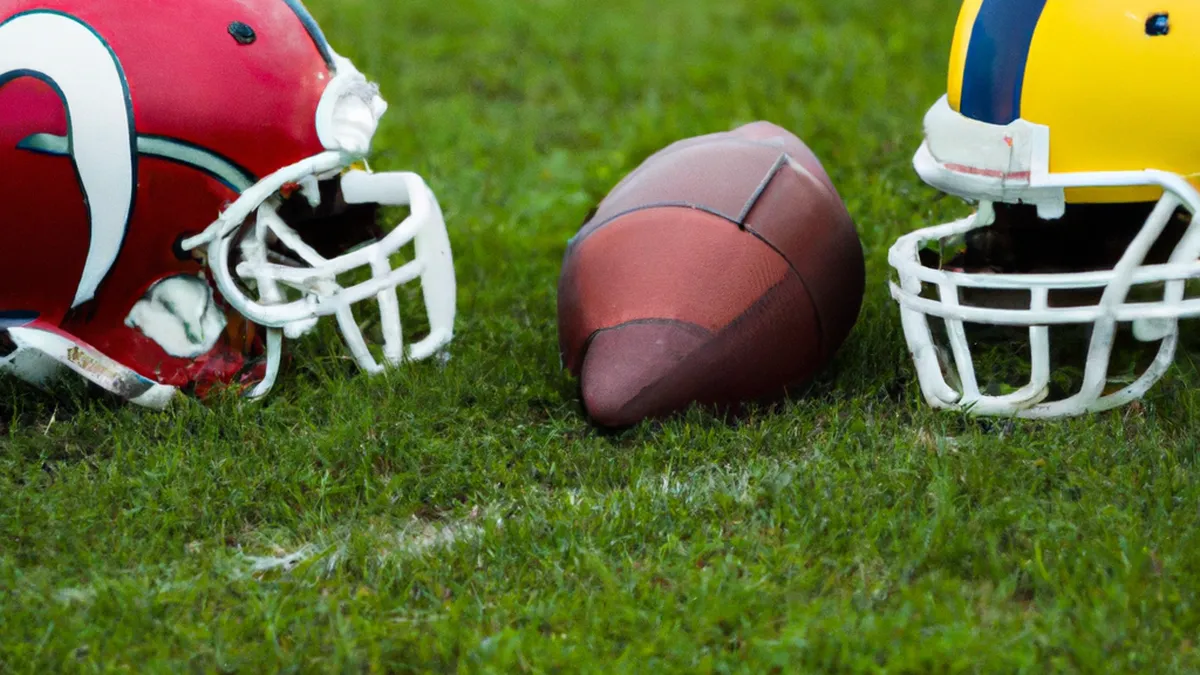
Address Rivalries for Better Performance
Conflict Resolution in Sports SettingsConflict naturally occurs in competitive environments, especially in sports. Athletes, coaches, and officials frequently navigate disagreements from misunderstandings, competing interests, or emotions. Effective conflict resolution enhances teamwork, improves performance, and fosters a positive atmosphere. This article explores practical strategies for managing conflicts in sports, focusing on understanding conflict, communication techniques, collaboration, and the benefits of resolution.
Understanding the Nature of Conflict
Conflicts in sports arise from various sources. Miscommunication often leads to confusion; for example, unclear instructions can confuse players about their roles. Differing opinions on strategies or personal issues can also create tension. Recognizing conflict’s root causes is crucial for effective management.Performance-related disagreements often manifest as conflicts. Athletes may feel frustrated by perceived favoritism in playtime or strategy decisions. Such feelings can lead to resentment, affecting performance and team morale. Understanding that passion drives conflicts helps individuals approach disputes with empathy and a willingness to resolve issues.
Listen Actively
Active listening serves as the foundation of effective conflict resolution. When disagreements arise, allow each party to express their thoughts fully. Avoid interrupting or dismissing concerns, as this exacerbates the situation. Show empathy and understanding by nodding, maintaining eye contact, and summarizing their points. This approach fosters open communication and respects differing viewpoints.Active listening not only helps understand others’ concerns but also encourages a collaborative atmosphere. When individuals feel heard, they become more open to finding satisfactory resolutions. This process requires patience and a genuine interest in resolving the conflict rather than just winning.
Stay Calm and Composed
Emotional reactions often escalate conflicts. Athletes should remain calm during disputes. Taking deep breaths and pausing before responding can prevent rash decisions and promote rational discussions. A composed demeanor sets a positive conflict resolution tone, emphasizing solutions over disagreements.Staying calm involves recognizing emotional triggers and managing them effectively. Developing self-awareness allows athletes to identify when they become emotionally charged. Techniques like visualization, mindfulness, or temporarily stepping away from the situation can help maintain composure.
Collaborate to Find Solutions
As an Amazon Associate I earn from qualifying purchases.
Gear tip: consider compression sleeves, compression socks, and percussive massager to support this topic.
Collaboration is essential for constructive conflict resolution. Encourage all parties to brainstorm potential solutions together. This approach promotes teamwork and unity while empowering individuals by involving them in the resolution process. When everyone contributes, they feel invested in the outcome.
Conclusion
In summary, understanding conflict, listening actively, staying calm, and collaborating fosters effective conflict resolution in sports.
Below are related products based on this post:
FAQ
What are the main causes of conflict in sports?
Conflicts in sports arise from various sources, including miscommunication, differing opinions on strategies, and personal issues. Unclear instructions can confuse players about their roles, while performance-related disagreements may stem from perceived favoritism, leading to frustration and resentment.
How can active listening help in resolving conflicts?
Active listening is crucial for effective conflict resolution as it allows each party to express their thoughts fully. By showing empathy and summarizing points, individuals foster open communication, which encourages collaboration and a willingness to find satisfactory resolutions.
Why is it important to stay calm during conflicts?
Staying calm during conflicts helps prevent emotional reactions that can escalate the situation. A composed demeanor promotes rational discussions and emphasizes solutions over disagreements, making it easier to manage disputes effectively.












Post Comment