
Active Recovery: Key to Muscle Growth
Active Recovery Sessions: A Guide to Rest and RejuvenationActive recovery sessions play a vital role in fitness improvement. They allow you to recover while engaging in physical activity. Instead of complete rest, active recovery keeps your body moving and speeds up healing. This post explores tips for effective active recovery, its benefits, and advice for maximizing your sessions.
What is Active Recovery?
Active recovery involves low-intensity exercise after intense workouts. Unlike passive recovery, active recovery includes walking, swimming, cycling, or yoga. These activities boost blood flow, aiding muscle recovery and removing metabolic waste. Light exercise also reduces soreness and stiffness, making it essential for any fitness regimen.Many fitness enthusiasts underestimate active recovery’s importance. They mistakenly believe rest means inactivity. Engaging in light exercise speeds up recovery and promotes well-being. Active recovery supports physical recovery and offers significant psychological benefits, reinforcing fitness as a holistic journey.
Tips for Effective Active Recovery
As an Amazon Associate I earn from qualifying purchases.
Gear tip: consider pilates ring, compression sleeves, and compression socks to support this topic.
Choose the Right Activities
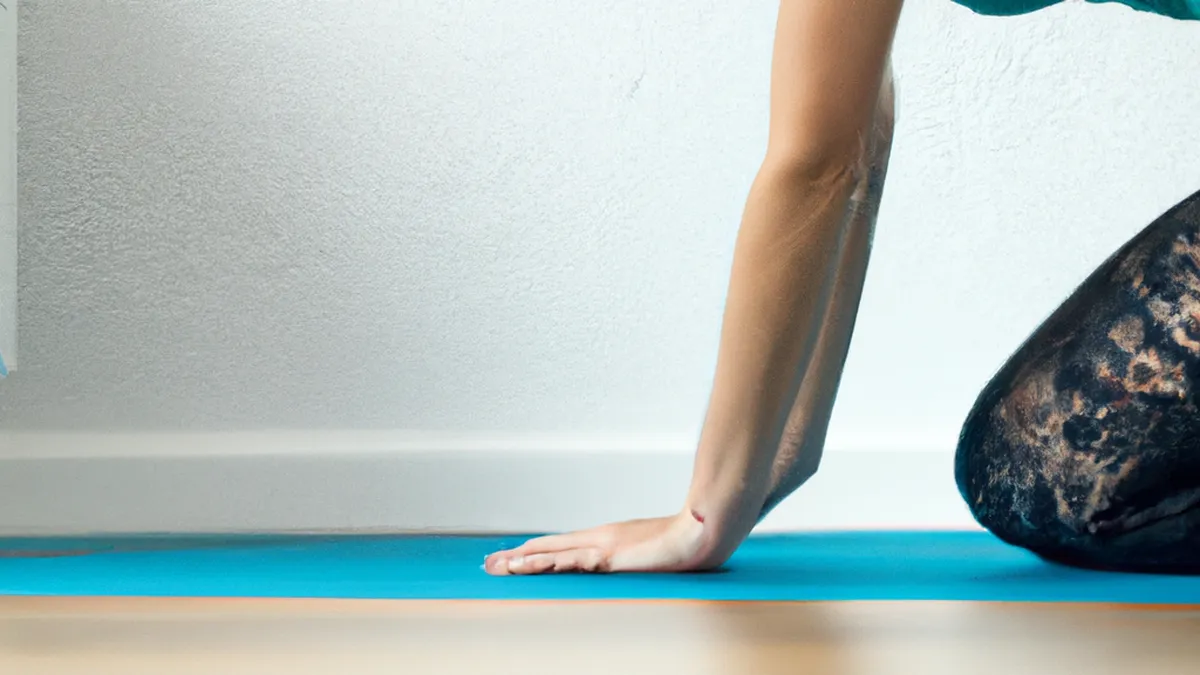
Select enjoyable, low-impact activities for effective active recovery. Here are some excellent options:- **Walking**: A simple way to keep moving. Maintain a brisk pace to elevate your heart rate slightly. – **Cycling**: Cycling engages your lower body without excessive strain, whether on a stationary bike or outdoors. – **Swimming**: Water’s buoyancy reduces impact on joints, making swimming ideal for active recovery. – **Yoga**: Gentle yoga flows improve flexibility and promote relaxation, alleviating muscle tension.Listen to your body and avoid discomfort. Active recovery facilitates healing, not exacerbates fatigue or soreness.
Set a Time Limit
Keep your active recovery sessions short. Aim for 20 to 30 minutes of light activity. This duration promotes recovery without causing additional fatigue. Short sessions help maintain energy for more intense workouts later.
Stay Hydrated
Hydration plays a crucial role during recovery. Drink plenty of water before, during, and after active recovery sessions. Staying hydrated flushes out toxins and supports muscle repair. If your workout was intense, consider electrolyte-rich drinks to replenish lost minerals.
Focus on Breathing
During active recovery, prioritize your breathing. Deep, controlled breaths enhance oxygen delivery to muscles and promote relaxation. Incorporate breathing exercises, especially during yoga or stretching. Mindful breathing reduces stress and improves mental clarity.
Advice for Maximizing Your Active Recovery Sessions
Incorporate Stretching
Include stretching in your routine to enhance flexibility and relaxation.
Conclusion
In summary, active recovery sessions promote healing, enhance well-being, and support fitness journeys.
Below are related products based on this post:
FAQ
What is active recovery?
Active recovery is low-intensity exercise performed after intense workouts. It includes activities such as walking, swimming, cycling, or yoga, which help boost blood flow and aid muscle recovery. This approach reduces soreness and stiffness, making it an essential part of any fitness regimen.
How long should active recovery sessions last?
Active recovery sessions should be kept short, ideally lasting between 20 to 30 minutes. This duration promotes recovery without causing additional fatigue, ensuring that you maintain energy for more intense workouts later.
Why is hydration important during active recovery?
Hydration is crucial during active recovery as it helps flush out toxins and supports muscle repair. Drinking plenty of water before, during, and after your sessions is essential, and electrolyte-rich drinks may be beneficial after intense workouts to replenish lost minerals.











Post Comment