Recognizing Cultural Views on Altitude Hydration
Understanding Cultural Attitudes Toward Hydration in High-Altitude Communities
High-altitude communities face unique hydration challenges. Thin air, lower pressure, and reduced oxygen levels affect fluid regulation. Residents develop distinct cultural attitudes toward hydration influenced by their environment and traditions. Understanding these attitudes improves health outcomes and enhances well-being in high-altitude regions.
The Importance of Hydration in High Altitude
Hydration is vital for everyone, especially at high altitudes. The body loses moisture through respiration, increasing fluid loss in dry air. Higher altitudes demand more from the body to obtain oxygen. Many residents adapt hydration practices to these challenges, prioritizing certain beverages.
Traditional Practices
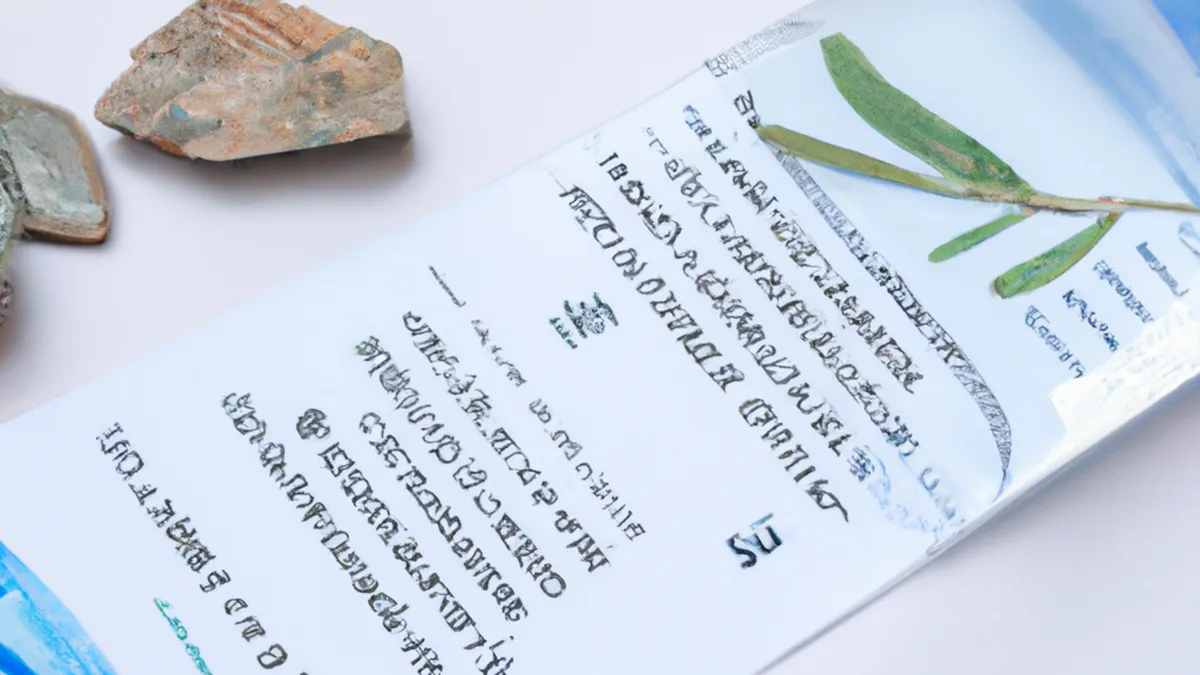
High-altitude communities have evolved traditional hydration practices over generations. These practices reflect local resource availability and cultural significance. Indigenous populations in the Andes consume herbal teas made from local plants, such as coca leaves. These teas provide hydration and contain vitamins to combat altitude sickness and fatigue.
Fermented beverages like chicha also play a significant role in hydration. This traditional corn beverage hydrates and offers probiotics for digestion. Locals often enjoy these drinks during social gatherings, embedding them in community culture.
Modern Adaptations
Globalization introduces contemporary hydration methods to high-altitude communities. Bottled water, sports drinks, and electrolyte solutions offer convenience for hydration. However, these options may conflict with traditional practices. Some community members view them as unnecessary or harmful compared to traditional methods.
Finding a balance between traditional and modern practices poses a challenge. Health professionals and community leaders must collaborate to respect cultural attitudes while promoting effective hydration strategies. This partnership fosters a holistic approach to health, integrating traditional wisdom and modern science.
Tips for Staying Hydrated in High-Altitude Areas
Staying hydrated in high-altitude regions requires awareness and adaptability. Here are some practical tips to maintain proper hydration:
Drink Regularly
Establish a routine of drinking fluids throughout the day.
Conclusion
In summary, understanding hydration practices in high-altitude communities highlights the importance of cultural attitudes and effective strategies.
Below are related products based on this post:
FAQ
Why is hydration particularly important in high-altitude communities?
Hydration is vital in high-altitude areas due to the thin air, lower pressure, and reduced oxygen levels, which lead to increased fluid loss through respiration. The body requires more fluids to function effectively and obtain sufficient oxygen, making proper hydration essential for health and well-being.
What traditional hydration practices are common in high-altitude communities?
High-altitude communities often rely on traditional practices such as consuming herbal teas made from local plants, like coca leaves, which help combat altitude sickness. Additionally, fermented beverages like chicha, a corn drink, are popular for hydration and digestive benefits, frequently enjoyed during social gatherings.
How are modern hydration methods impacting traditional practices in these communities?
Modern hydration methods, such as bottled water and sports drinks, are becoming more accessible in high-altitude communities but can conflict with traditional practices. Some individuals view these contemporary options as unnecessary or detrimental compared to traditional methods, creating a challenge in balancing both approaches to hydration.














Post Comment