
Analyze Environmental Factors in Recovery Practices
The Impact of Heat and Humidity on Recovery Modalities
Heat and humidity significantly impact recovery modalities. Athletes and fitness enthusiasts rely on various methods to enhance recovery. However, environmental factors like heat and humidity alter the effectiveness of these methods. Understanding these impacts ensures optimal recovery. Let’s explore how heat and humidity influence recovery modalities and how you can adapt your approach.
Understanding Recovery Modalities
Recovery modalities include techniques that help the body recover after strenuous activity. These methods range from passive approaches like rest to active strategies such as stretching, foam rolling, massage, and hydrotherapy. Each method aims to reduce muscle soreness, improve flexibility, enhance circulation, and promote faster recovery.
When heat and humidity rise, the effectiveness of these modalities can change. External conditions highly influence the body’s response to exercise and recovery. This reality makes it essential for athletes and fitness enthusiasts to understand how environmental factors affect their recovery strategies.
The Role of Heat in Recovery
Heat improves recovery by enhancing blood flow. Increased circulation delivers oxygen and nutrients to muscles, promoting healing and reducing soreness. Heat also aids muscle relaxation, making stretching more effective. Warm muscles become pliable, helping maintain flexibility and reducing injury risk.
Heat facilitates the body’s natural healing processes. Applying heat to sore muscles alleviates pain and stiffness, easing subsequent workouts. Heat therapy, such as heat packs or warm baths, provides immediate relief and promotes long-term recovery.
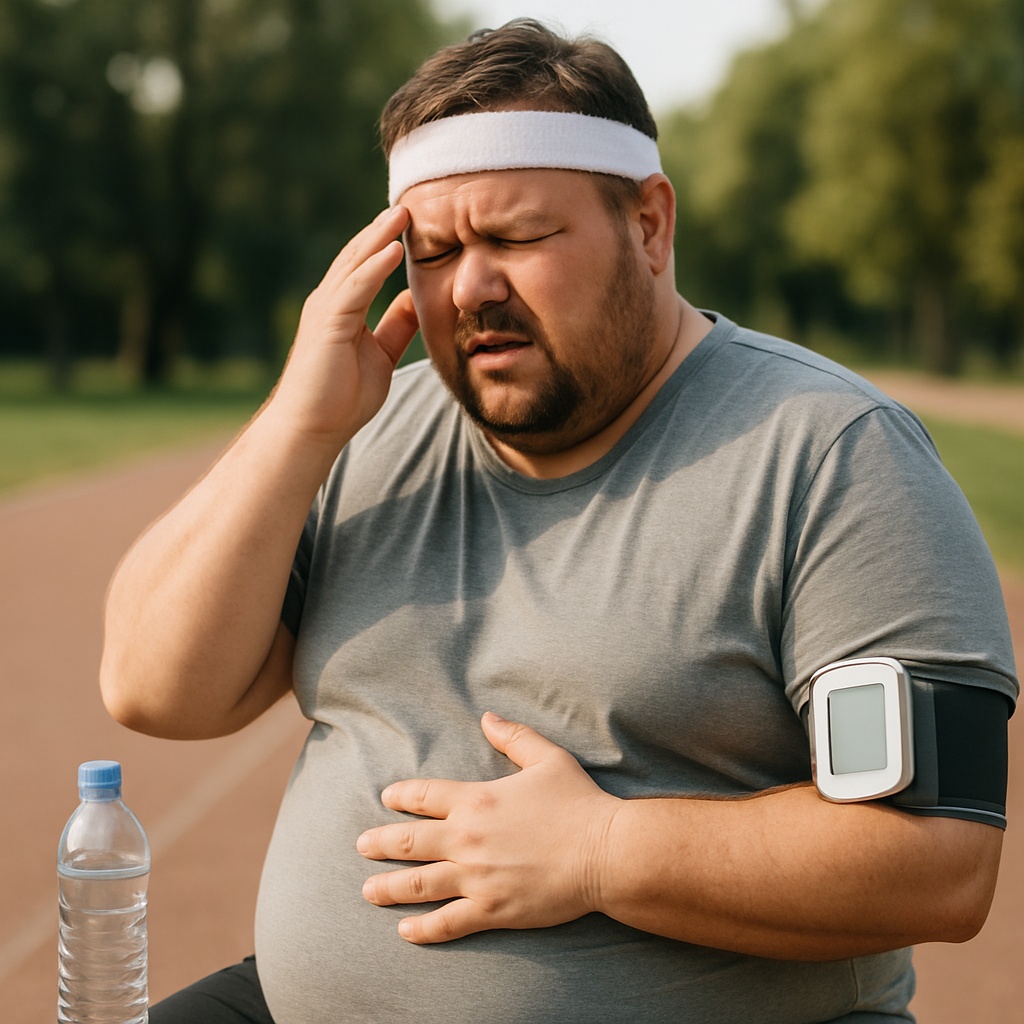
However, excessive heat exposure can lead to dehydration. Rising temperatures cause fluid loss through sweat, crucial for regulating body temperature. Dehydration negatively impacts recovery and performance, causing fatigue, muscle cramps, and decreased cognitive function. Therefore, balancing heat benefits with adequate hydration is essential.
Humidity and Its Effects
Humidity adds complexity to recovery. High humidity levels can make it feel hotter, affecting how the body perceives temperature. High humidity hinders sweat evaporation, the body’s primary cooling mechanism. When sweat doesn’t evaporate efficiently, the body struggles to regulate temperature, leading to overheating.
Humidity impacts physical and mental well-being. Muggy weather can make you feel sluggish and less motivated to engage in recovery activities. This mental barrier can hinder overall recovery. Therefore, adapting your recovery routine to account for humidity is crucial for maintaining both physical and mental health.
Tips for Adapting Recovery Modalities
Adapting your recovery routine helps combat the effects of heat and humidity. Here are some practical tips to consider:
1. Hydration is Key
Make hydration your top priority before, during, and after exercise.
Conclusion
In conclusion, understanding heat and humidity impacts recovery is vital for optimizing recovery modalities.
Below are related products based on this post:
FAQ
How does heat improve recovery for athletes?
Heat improves recovery by enhancing blood flow, which delivers oxygen and nutrients to muscles, promoting healing and reducing soreness. It also aids muscle relaxation, making stretching more effective and helping maintain flexibility, ultimately reducing the risk of injury.
What are the effects of high humidity on recovery?
High humidity can hinder sweat evaporation, making it harder for the body to regulate temperature, which can lead to overheating. Additionally, muggy conditions can create a mental barrier, making individuals feel sluggish and less motivated to engage in recovery activities, thereby affecting overall recovery.
What should athletes prioritize when adapting recovery routines to heat and humidity?
Athletes should prioritize hydration before, during, and after exercise. Adequate fluid intake is crucial for maintaining performance and supporting recovery, especially in hot and humid conditions where sweating can lead to significant fluid loss.












Post Comment