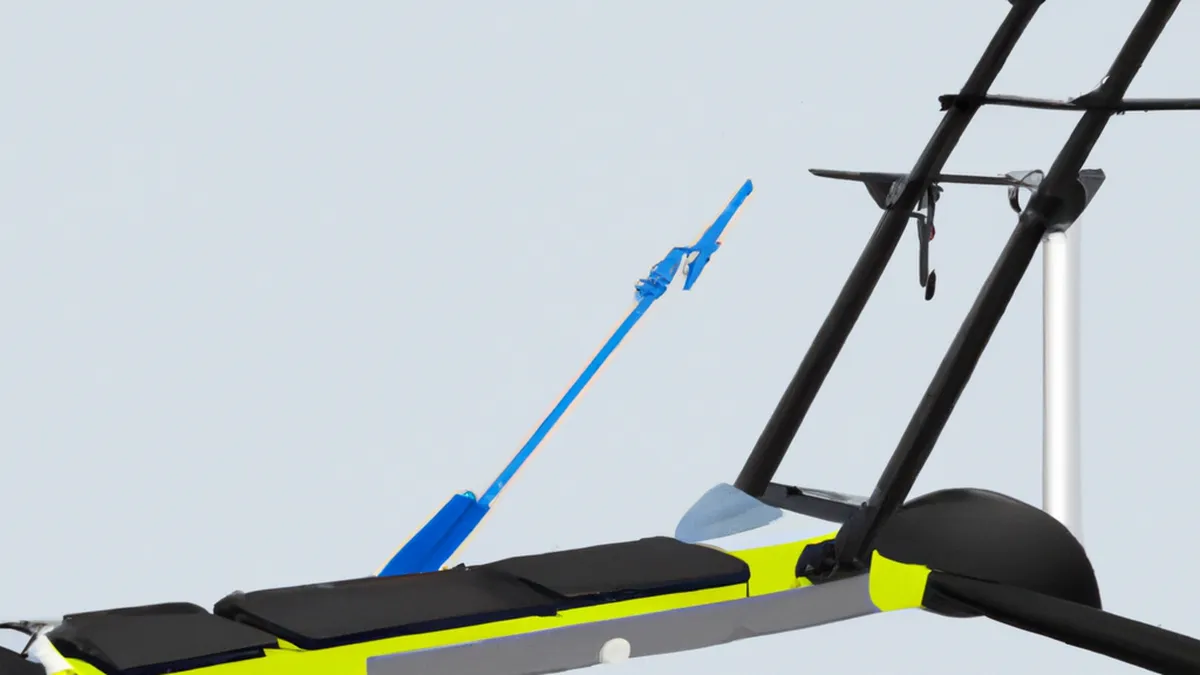
Utilize SkiErg for Optimal Recovery Sessions
How to Use SkiErg for Active Recovery Between High-Intensity Workouts
Active recovery plays a vital role in fitness regimens for athletes and anyone doing high-intensity workouts. It promotes muscle recovery, boosts performance, and prevents injuries. The SkiErg simulates cross-country skiing and serves as an effective tool for active recovery. This blog post explains how to use the SkiErg for your recovery between high-intensity workouts.
Understanding Active Recovery
Active recovery involves low-intensity exercise that promotes blood flow to muscles. It engages your body, helping to flush out lactic acid and reduce stiffness. This type of exercise aids in recovery while maintaining fitness. The SkiErg engages multiple muscle groups, making it ideal for enhancing recovery.
The Importance of Recovery
Recovery is essential in any fitness routine. High-intensity training causes micro-tears in your muscles. Recovery allows these muscles to heal and strengthen. Ignoring recovery can lead to overtraining, burnout, and injuries. Using the SkiErg during active recovery helps promote healing while keeping your body active.
How to Use SkiErg for Active Recovery
Follow these guidelines to maximize the SkiErg’s benefits for active recovery.
1. Set the Right Intensity Level
Choose an appropriate intensity level for your active recovery session. Aim for low to moderate intensity. You should maintain a conversation while skiing. Most athletes find 50-60% of their maximum heart rate ideal for recovery. Many SkiErg machines have heart rate monitors to track your exertion level.
2. Focus on Technique
Proper technique maximizes workout benefits and minimizes injury risk. Maintain an upright posture and engage your core throughout. Use smooth, rhythmic motions to pull the handles down while pushing with your legs. Focusing on technique ensures effective workouts and better muscle engagement.
3. Incorporate Interval Training
Add short intervals for variety and to keep muscles engaged. Alternate between 2-3 minutes of light skiing and 30 seconds of moderate effort. This approach maintains cardiovascular fitness while providing recovery benefits.
4. Monitor Your Heart Rate
Keep an eye on your heart rate for insights into your recovery process. If your heart rate rises too high, adjust your intensity accordingly.
Conclusion
Incorporating the SkiErg into your active recovery routine enhances muscle recovery and maintains fitness levels. Engage in low-intensity skiing, focus on technique, and monitor your heart rate for optimal benefits.
Below are related products based on this post:
FAQ
What is active recovery and why is it important?
Active recovery involves low-intensity exercise that promotes blood flow to muscles, helping to flush out lactic acid and reduce stiffness. It is essential because it aids in recovery while maintaining fitness, allowing muscles to heal and strengthen after high-intensity workouts, thus preventing overtraining and injuries.
How should I adjust the intensity level when using the SkiErg for recovery?
For active recovery on the SkiErg, aim for low to moderate intensity, typically around 50-60% of your maximum heart rate. You should be able to maintain a conversation while skiing. Many SkiErg machines come with heart rate monitors to help you track your exertion level.
Can I incorporate interval training into my active recovery sessions on the SkiErg?
Yes, incorporating interval training can add variety and keep your muscles engaged during active recovery. You can alternate between 2-3 minutes of light skiing and 30 seconds of moderate effort, which helps maintain cardiovascular fitness while still providing recovery benefits.














Post Comment