Transforming Teamwork Through Plyometric Training
The Influence of Plyometric Training on Sports Team Dynamics
Plyometric training has become popular in many sports. It focuses on explosive movements that improve strength, speed, and agility. This training enhances athletic performance and positively impacts team dynamics. In this blog post, we will explore how plyometric training affects teamwork, communication, motivation, and team spirit. We will also discuss how coaches can effectively implement this training.
Understanding Plyometric Training
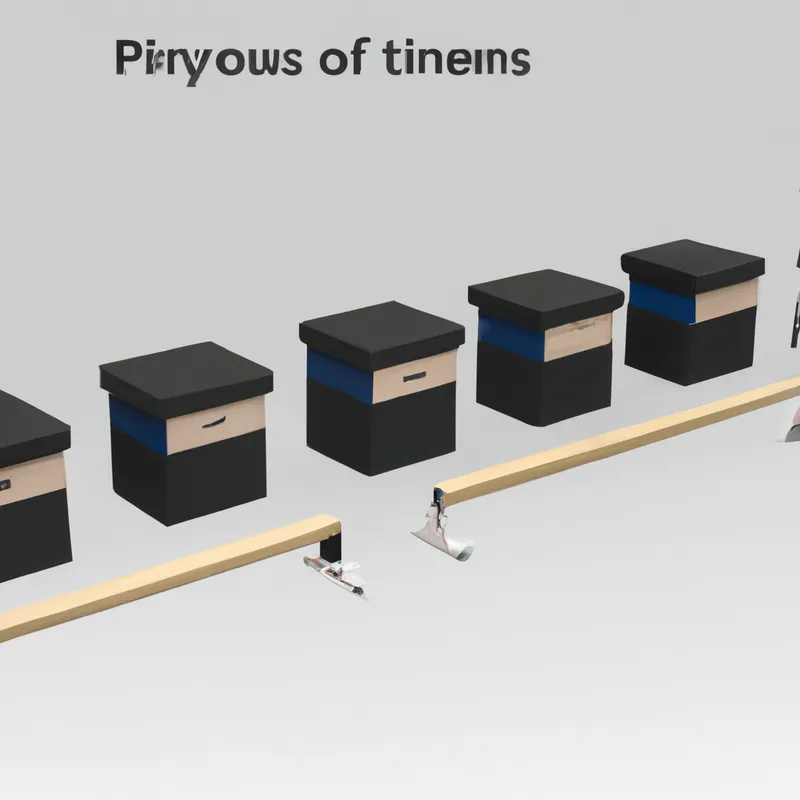
Plyometric exercises involve rapid, powerful movements that activate fast-twitch muscle fibers. These movements increase power output. Common exercises include box jumps, squat jumps, depth jumps, and burpees. Athletes benefit from plyometrics as it enhances their physical capabilities and overall performance metrics.
Plyometric training offers versatility. Coaches can adapt exercises for various sports, skill levels, and training goals. Whether in basketball, soccer, or track, teams can tailor plyometrics to their specific needs.
Tips for Implementing Plyometric Training
When introducing plyometric training, coaches should follow these essential tips for effectiveness and safety:
1. **Start with Basics**: Ensure athletes have a solid strength training foundation. This foundation prevents injuries and enables safe plyometric movement.
2. **Focus on Form**: Proper technique is crucial in plyometric training. Coaches should emphasize correct landing and jumping mechanics to enhance performance and reduce injury risk. Monitor athletes closely to maintain good form.
3. **Progress Gradually**: Begin with low-intensity exercises and increase intensity and complexity as athletes improve. Gradual progression keeps athletes engaged while allowing their bodies to adapt.
4. **Incorporate Variety**: Mixing different plyometric exercises keeps workouts fresh. A variety of exercises maintains interest and helps athletes develop a broader skill range.
5. **Monitor Fatigue**: Plyometric training can be physically demanding. Coaches must watch for signs of fatigue. Ensure athletes receive adequate rest and recovery between sessions to prevent overtraining.
Advice for Coaches
Coaches play a vital role in integrating plyometric training into team dynamics. Here are strategies to enhance the training experience:
Foster a Supportive Environment
Create a positive atmosphere where athletes feel comfortable pushing their limits. Encourage support during training sessions to build camaraderie and teamwork. When athletes cheer for each other, they strengthen their bonds.
Conclusion
Plyometric training significantly enhances athletic performance and team dynamics. Coaches who implement it effectively can foster teamwork and motivation among athletes.
Below are related products based on this post:
FAQ
What is plyometric training and how does it benefit athletes?
Plyometric training involves explosive movements that activate fast-twitch muscle fibers, enhancing strength, speed, and agility. Common exercises like box jumps and squat jumps improve athletic performance and physical capabilities, allowing athletes to achieve better performance metrics in their respective sports.
How can coaches effectively implement plyometric training?
Coaches should start with a solid strength training foundation, focus on proper form, progressively increase intensity, incorporate a variety of exercises, and monitor athlete fatigue to ensure safe and effective plyometric training. This approach helps athletes adapt and remain engaged while minimizing injury risks.
How does plyometric training impact team dynamics?
Plyometric training positively influences team dynamics by fostering teamwork, communication, and motivation. When athletes support each other during training, they build camaraderie and strengthen their bonds, which enhances overall team spirit.














Post Comment