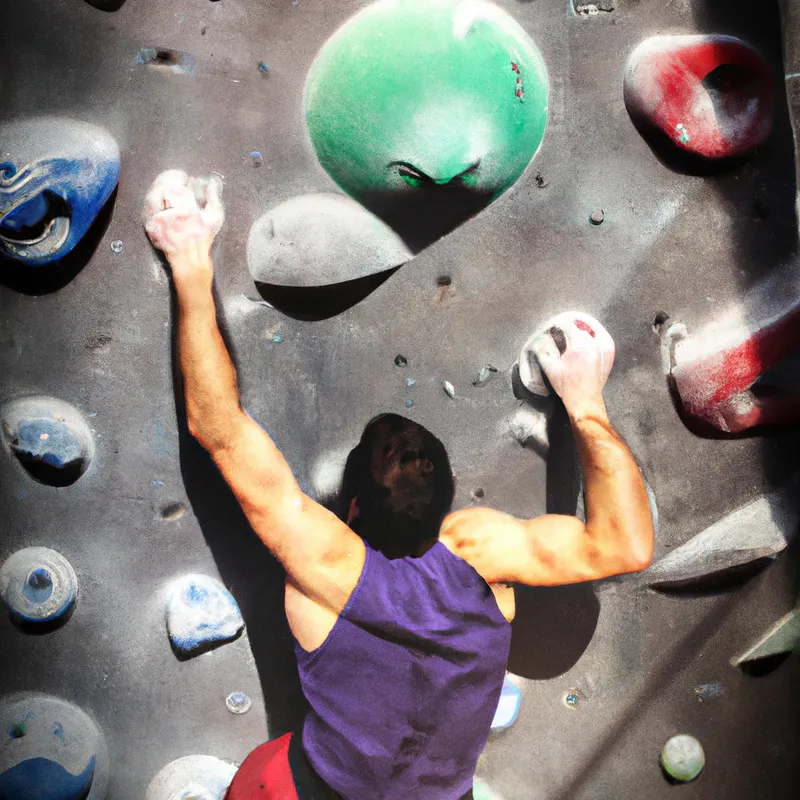
Strengthen Your Core to Climb Higher Effortlessly
The Importance of Core Strength in Climbing and How to Train It
Climbing demands finger strength, technique, and a robust core. A strong core maintains balance and stability. It helps climbers transfer energy effectively, making ascents smoother. This blog post explores core strength’s importance and offers training tips.
Why Core Strength Matters in Climbing
Climbing is a full-body exercise, but the core serves as a powerhouse. The core connects the upper and lower body, enabling precise moves. A strong core stabilizes the body during challenging maneuvers. It also prevents injuries by maintaining proper alignment.
Core strength enhances endurance. Climbers with strong cores can hold difficult positions longer. This endurance leads to better performance on longer climbs. Ultimately, a strong core empowers climbers to tackle challenging routes.
Key Exercises to Build Core Strength
You can build core strength without fancy equipment. Bodyweight exercises yield significant gains. Here are effective exercises to include in your routine:
1. Planks
Planks engage multiple muscle groups for core training. Start in a push-up position with elbows under shoulders. Hold for 30 seconds to a minute. Increase difficulty with side planks or plank variations.
2. Hollow Body Holds
The hollow body hold develops core stability. Lie on your back, lift shoulders and legs off the ground, and maintain a “hollow” position. Hold for 20 to 30 seconds. This exercise mimics climbing positions.
3. Leg Raises
Leg raises target lower abdominal muscles. Lie on your back, hands under hips. Lift legs toward the ceiling while keeping them straight. Lower them slowly without touching the ground. Aim for 10 to 15 repetitions.
Incorporating Core Training into Your Climbing Routine
Integrate core workouts into your climbing routine. Here are practical tips for maximum benefits:
1. Schedule Core Workouts
Set dedicated time for core training. Aim for two to three sessions per week. Consistency ensures you build strength effectively.
2. Combine Climbing with Core Exercises
Incorporate core exercises into climbing sessions. Perform planks or hollow holds before or after climbing. This keeps your core engaged while warming up or cooling down.
3. Use Climbing-Specific Drills
Certain climbing drills enhance core strength. Practice heel hooks or toe hooks to engage your core. Focus on maintaining body tension during these moves. Try traversing on a bouldering wall to challenge stability.
Benefits of a Strong Core for Climbers
A strong core offers benefits beyond climbing performance. Here are some advantages for climbers:
1. Improved Balance
A strong core enhances balance on the wall. It allows precise movements without losing stability. You can navigate tricky routes with greater ease.
2. Enhanced Power and Efficiency
With a strong core, you transfer energy efficiently. This efficiency reduces wasted effort while climbing. You conserve energy for longer climbs or tougher problems.
3. Injury Prevention
Many climbing injuries arise from poor mechanics and weak cores. Strengthening your core maintains proper alignment. This alignment reduces the risk of strains and injuries.
Conclusion
Core strength plays a crucial role in climbing performance. It enhances balance, power, and endurance while preventing injuries. Incorporate targeted exercises into your routine to build a robust core. Commit to core training and watch your climbing performance soar!
Below are related products based on this post:
FAQ
Why is core strength important for climbers?
A strong core is essential for climbers as it maintains balance and stability, allowing for precise movements. It connects the upper and lower body, enabling effective energy transfer during climbs, which leads to smoother ascents. Additionally, a robust core helps prevent injuries by ensuring proper body alignment.
What are some effective exercises to improve core strength for climbing?
Effective exercises to build core strength for climbing include planks, hollow body holds, and leg raises. Planks engage multiple muscle groups, hollow body holds develop stability, and leg raises target the lower abdominal muscles. Incorporating these bodyweight exercises into your routine can yield significant gains without the need for fancy equipment.
How can I integrate core training into my climbing routine?
To integrate core training into your climbing routine, schedule dedicated core workouts two to three times a week. You can also combine core exercises with climbing sessions by performing planks or hollow holds before or after climbing. Additionally, incorporating climbing-specific drills, such as heel and toe hooks, can enhance core engagement and improve stability on the wall.














Post Comment