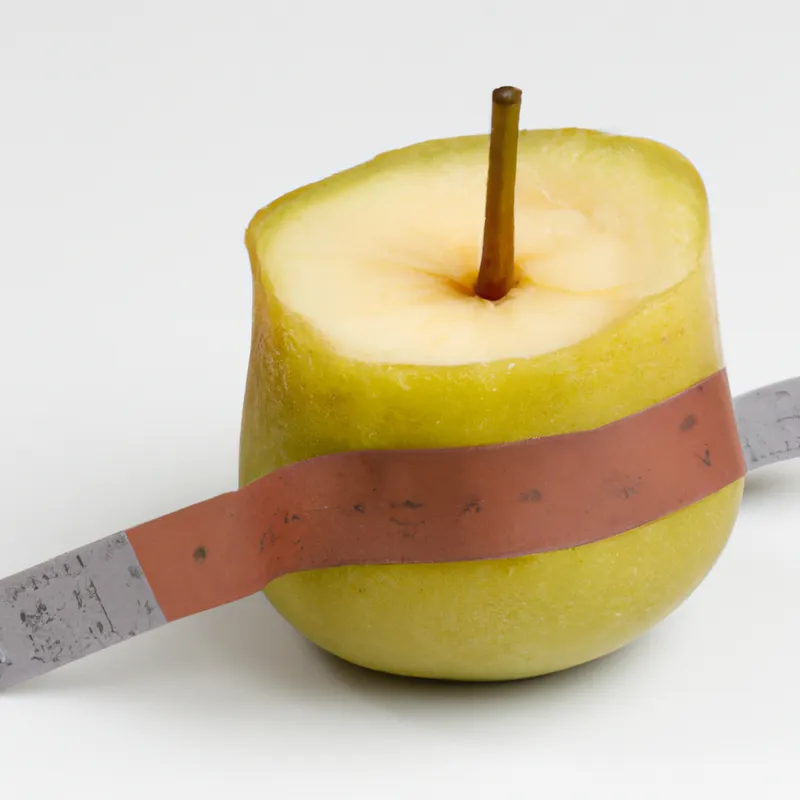
Rethink Portions: Fuel Your Macro Journey
Understanding Portion Sizes and Their Impact on Macro Goals
In today’s health-conscious world, grasping portion sizes is essential. Many people focus on macronutrients—carbohydrates, proteins, and fats—while overlooking portion control. This blog post will clarify the importance of portion sizes and their effect on your macro goals, promoting healthier eating habits and overall well-being.
The Basics of Portion Control
Portion control defines the amount of food you consume in one sitting. It significantly affects your caloric intake. Larger portions lead to higher calorie consumption, hindering your macro goals. Conversely, proper portion sizes keep you on track, allowing your body to function optimally and achieve your desired physique.
Why Portion Sizes Matter
Portion sizes matter for several reasons:
1. **Balancing Macronutrients**: Correct portion sizes help balance your macronutrients. Overindulging in one food group may deprive you of essential nutrients from others. For instance, excessive carbohydrates without enough protein can hinder muscle recovery and growth.
2. **Preventing Overeating**: Large portions often cause overeating, a common issue today. Uncontrolled portion sizes can lead to excessive calorie intake, resulting in weight gain and health issues over time.
3. **Improving Meal Planning**: Grasping portion sizes enhances your meal planning efforts. This knowledge fosters healthier eating habits and a balanced diet, allowing you to plan meals that meet your macro needs accurately.
Understanding Macronutrients
Macronutrients are the nutrients your body requires in significant amounts. They consist of carbohydrates, proteins, and fats, each serving a unique role in your health.
Carbohydrates
Carbohydrates serve as the body’s primary energy source. They originate from grains, fruits, and vegetables. While essential for fueling your body, monitoring your intake is crucial. Excessive carbs can cause weight gain and energy fluctuations. Focus on complex carbohydrates, like whole grains and legumes, for sustained energy and fiber.
Proteins
Proteins play a vital role in muscle repair and growth. They come from meat, dairy, legumes, and plant-based options like tofu and quinoa. Including enough protein in your meals helps you feel fuller, aids muscle recovery, and supports overall health. However, excessive consumption can disrupt your diet, making portion sizes important.
Fats
Fats are vital for hormone production, brain health, and cell structure. Healthy fats derive from avocados, nuts, seeds, olive oil, and fatty fish. While necessary for bodily functions, fats are also calorie-dense.
Conclusion
Understanding portion sizes and macronutrients enhances your health journey. This knowledge fosters healthier habits and helps you achieve your fitness goals.
Conclusion
A brief summary concluding the insights shared.
Below are related products based on this post:
FAQ
What is portion control and why is it important?
Portion control refers to the amount of food consumed in one sitting and is crucial for managing caloric intake. Proper portion sizes help balance macronutrients, prevent overeating, and improve meal planning, ultimately supporting your macro goals and promoting overall health.
How do macronutrients affect my health?
Macronutrients—carbohydrates, proteins, and fats—are essential for your body’s functioning. Carbohydrates provide energy, proteins support muscle repair and growth, and fats are necessary for hormone production and brain health. Balancing these macronutrients through proper portion control is vital for achieving fitness and health goals.
What are some tips for managing portion sizes?
To manage portion sizes effectively, consider using smaller plates, measuring food when cooking, and being mindful of serving sizes listed on nutrition labels. Additionally, focusing on whole foods and practicing mindful eating can help you recognize when you’re full, ultimately leading to healthier eating habits.














Post Comment