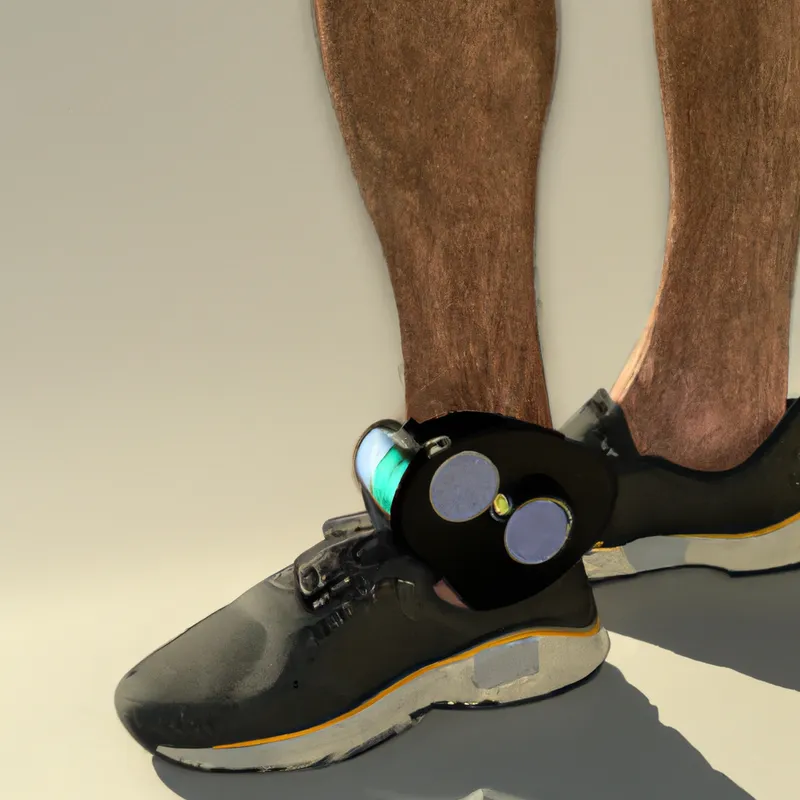
Revolutionize Gait Analysis Through Smart Devices
Use of Wearable Technology for Gait Analysis
Wearable technology revolutionizes human movement analysis. Smart devices make gait analysis more accessible than ever. This innovation provides insights for athletes, physical therapists, and individuals seeking to understand their movement. This blog explores how wearable technology enhances gait analysis, offers usage tips, shares practitioner advice, discusses benefits, and summarizes its impact.
Understanding Gait Analysis
Gait analysis assesses how a person walks. It reveals information about posture, balance, and movement efficiency. Traditionally, this analysis required specialized equipment and trained professionals in controlled environments. Wearable technology simplifies the process, making it user-friendly and accessible.
Wearable devices like smartwatches, fitness trackers, and motion sensors track various gait metrics. These include step length, cadence, stride width, and ground contact time. They monitor overall movement patterns, such as acceleration and deceleration during walking or running. Individuals can gather data without lab settings, allowing real-time analysis and feedback.
Tips for Effective Gait Analysis
To maximize wearable technology for gait analysis, consider these tips:
1. **Choose the Right Device**
Select a device that meets your specific needs. Some wearables focus on activity tracking, while others specialize in gait analysis. Research features like GPS tracking, heart rate monitoring, and gait analysis algorithms to align with your goals.
2. **Calibrate Properly**
Calibration ensures accurate measurements. Follow the manufacturer’s guidelines for correct data recording. Input personal information like height, weight, and age to help the device provide tailored feedback.
3. **Use in Various Settings**
Test the device in different environments to evaluate performance. Use it indoors, outdoors, on various surfaces, and during various activities. This testing helps understand how external factors influence gait for comprehensive analysis.
4. **Review Data Regularly**
Analyze collected data regularly for insights into gait patterns. Many devices offer companion apps that visualize data through graphs and charts. Use these features to track changes, identify trends, and set improvement goals.
5. **Set Baseline Measurements**
Establish baseline measurements of your gait before starting any training or rehabilitation program. This initial data serves as a reference point for measuring progress and effectiveness.
Advice for Practitioners
Wearable technology offers physical therapists and clinicians new avenues for patient assessment and rehabilitation.
Conclusion
Wearable technology enhances gait analysis, providing valuable insights and improving accessibility for users and practitioners alike.
Below are related products based on this post:
FAQ
What is gait analysis and how does wearable technology simplify it?
Gait analysis assesses how a person walks, revealing information about posture, balance, and movement efficiency. Wearable technology simplifies this process by allowing users to gather data on their gait metrics, such as step length and cadence, without needing specialized equipment or controlled environments.
What tips can help maximize the use of wearable technology for gait analysis?
To maximize the use of wearable technology for gait analysis, consider choosing the right device tailored to your needs, calibrating it properly for accurate measurements, using it in various settings to evaluate performance, reviewing data regularly for insights, and setting baseline measurements before starting any training or rehabilitation program.
How can physical therapists benefit from wearable technology in gait analysis?
Physical therapists can benefit from wearable technology by using it to enhance patient assessment and rehabilitation. These devices provide valuable insights into patient movement patterns, allowing therapists to tailor treatment plans and monitor progress more effectively.














Post Comment