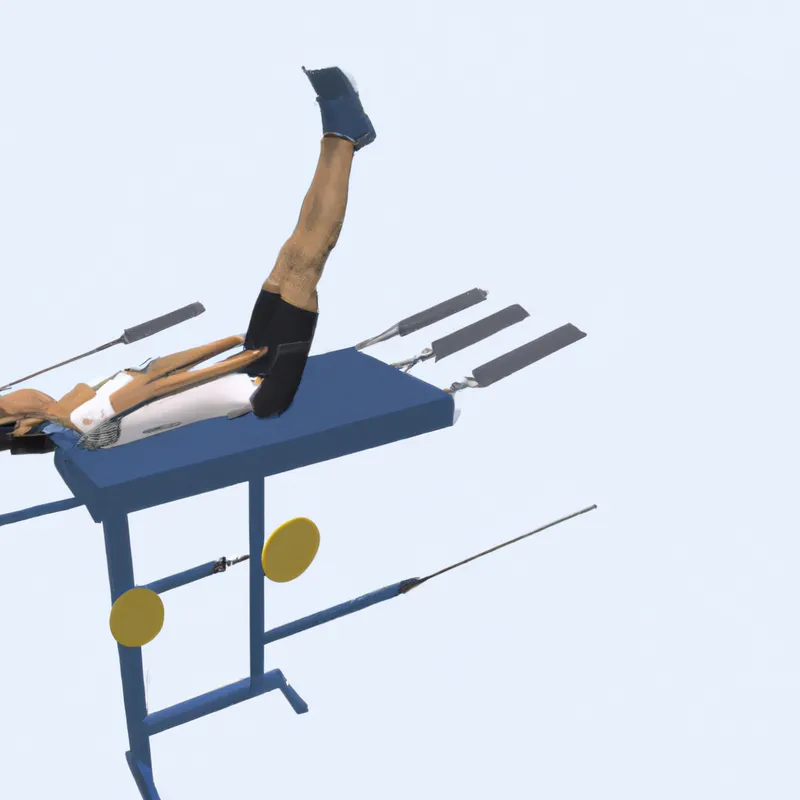
Boost Athletic Skills Using Pilates Principles
Using Pilates to Develop Better Landing Mechanics in Jumping Sports
Jumping sports like basketball, volleyball, and track require explosive power and precise landing mechanics. Effective landing techniques minimize injury risks and enhance athletic performance. Pilates, a low-impact exercise system, emphasizes core strength, flexibility, and body awareness. This article shows how Pilates improves landing mechanics for athletes.
Understanding Landing Mechanics
Landing mechanics describe how athletes absorb impact after a jump. Poor techniques can cause injuries, especially in the knees, ankles, and lower back. Proper landings involve bending the knees, maintaining a neutral spine, and using the core for stability. Many athletes focus on jumping higher, neglecting proper landing techniques. Effective landings help athletes recover and prepare for subsequent movements, ensuring long-term athletic sustainability.
The Importance of Core Strength
The core, the body’s central powerhouse, maintains balance and stability during landings. A strong core stabilizes the trunk, controls movement, and absorbs impact. Pilates exercises target deep abdominal muscles, supporting the spine and pelvis, which are crucial for effective landings.
Exercises like the **Plank** and **Teaser** enhance core stability. A well-developed core helps athletes maintain proper alignment during jumps and landings, enabling complex movements without risking injury.
Flexibility and Range of Motion
Flexibility is essential for effective landing mechanics. Tight muscles limit an athlete’s ability to absorb impact and increase injury risks. Pilates promotes controlled, flowing movements that enhance overall flexibility. Improved flexibility allows athletes to lower their center of gravity during landings, aiding shock absorption.
Exercises like the **Swan** and **Roll-Up** stretch muscles and boost flexibility. Increased flexibility helps athletes maintain proper posture during landings, reducing stress on joints and connective tissues. This improvement enhances performance and lowers injury risks.
Benefits of Pilates for Jumping Sports
Incorporating Pilates into training offers numerous benefits beyond improved landing mechanics. Here are key advantages:
1. Enhanced Core Strength
A strong core ensures stability and control during landings. Pilates develops core muscles, helping athletes maintain proper alignment, absorb impact, and execute controlled movements during jumps.
2. Improved Flexibility
Pilates emphasizes flexibility, allowing athletes to achieve a greater range of motion. Increased flexibility helps athletes land softly and absorb impacts better, especially in high-impact sports.
Conclusion
Pilates effectively enhances landing mechanics, core strength, and flexibility for athletes in jumping sports. Incorporating Pilates into training improves performance and reduces injury risks.
Below are related products based on this post:
FAQ
How does Pilates improve landing mechanics for athletes in jumping sports?
Pilates enhances landing mechanics by focusing on core strength, flexibility, and body awareness. These elements help athletes absorb impact effectively, maintain proper alignment during jumps, and execute controlled movements, ultimately minimizing injury risks and improving performance.
What specific Pilates exercises can help with core strength and flexibility?
Exercises such as the Plank and Teaser target core strength, while the Swan and Roll-Up promote flexibility. These exercises build stability and enhance the athlete’s ability to control their movements during landings, contributing to better overall landing mechanics.
What are the overall benefits of incorporating Pilates into a training regimen for jumping sports?
Incorporating Pilates into training provides benefits such as enhanced core strength, improved flexibility, and better landing mechanics. These improvements lead to greater athletic performance and reduced injury risks, ensuring athletes can sustain their training and competition over time.












Post Comment