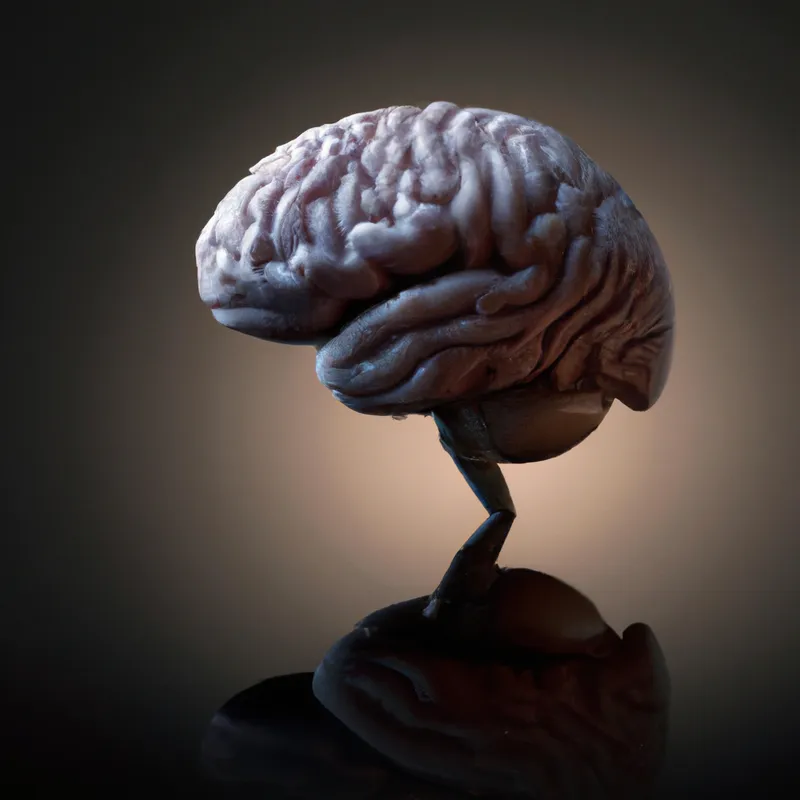
Master Choices: How the Brain Works
The Science of Decision Making and the Brain
Making decisions shapes our daily lives and affects our relationships and careers. Our brains constantly process factors that influence our choices. Understanding decision-making science can improve our choices and help us navigate complexities. This blog explores how the brain processes decisions, what influences our choices, and tips to enhance decision-making skills.
How the Brain Processes Decisions
The brain processes information through interconnected regions. When we face decisions, multiple brain areas evaluate options and reach conclusions.
The Role of the Prefrontal Cortex
The prefrontal cortex (PFC) plays a key role in reasoning, planning, and decision-making. It weighs pros and cons, considering long-term consequences and potential rewards. The PFC supports rational thinking, helping us analyze situations and make informed choices. For example, when deciding to invest in a project, the PFC evaluates risks against expected benefits.
The Influence of the Amygdala
The amygdala, part of the limbic system, triggers emotional responses. It generates feelings like fear, pleasure, and excitement, which can heavily influence decisions. Emotional reactions may lead to impulsive choices. For instance, anxiety about a job interview might prompt you to avoid the opportunity altogether, despite its potential benefits.
Neural Pathways and Past Experiences
Neural pathways significantly influence decision-making. Experiences shape our brains, and repeated exposure forges connections that make certain choices feel familiar. This explains why habits are hard to break; established pathways reinforce those behaviors. Recognizing how past experiences shape decisions helps us become more mindful and intentional in our choices.
Factors Affecting Decision-Making
Many external and internal factors impact our decision-making. Understanding these influences empowers us to make rational and thoughtful choices.
Cognitive Biases
Cognitive biases create systematic thinking errors that mislead us. For example, confirmation bias leads us to favor information supporting our beliefs while ignoring contradictory evidence. This limits our consideration of alternative options and leads to poor decisions. Recognizing these biases helps us challenge our thought patterns and broaden our perspectives.
Emotional States
Our emotional states greatly influence our choices. When we feel happy or confident, we may take more risks. Conversely, anxiety or sadness may lead us to play it safe. Emotions can cloud judgment, resulting in impulsive decisions we might later regret. Learning to recognize these emotional influences can improve our decision-making.
Conclusion
Understanding how our brains process decisions and the factors influencing our choices can enhance our decision-making skills.
Below are related products based on this post:
FAQ
What is the role of the prefrontal cortex in decision-making?
The prefrontal cortex (PFC) is crucial for reasoning, planning, and decision-making. It evaluates the pros and cons of various options, considers long-term consequences, and helps us make informed choices by supporting rational thinking.
How do emotional states affect our decisions?
Our emotional states can significantly influence our decision-making. Positive emotions may encourage us to take risks, while negative emotions like anxiety or sadness can lead to more cautious choices. Recognizing these emotional influences is essential for improving our decision-making skills.
What are cognitive biases and how do they impact decision-making?
Cognitive biases are systematic errors in thinking that can mislead our decisions. For instance, confirmation bias causes us to favor information that supports our existing beliefs, often ignoring contradictory evidence. Understanding these biases can help us challenge our thought patterns and make better decisions.














Post Comment