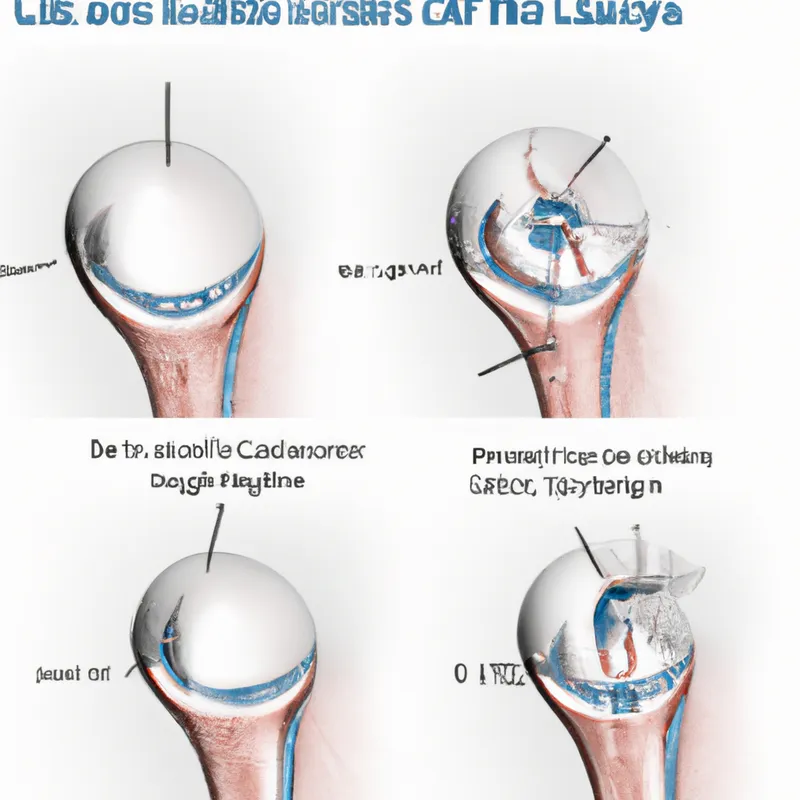
Explore ACL Tears: Causes and Mechanisms Explained
The Mechanism of ACL Tears: How Do They Happen?
Athletes frequently suffer anterior cruciate ligament (ACL) tears in high-impact sports. These injuries often require long recovery periods, sidelining players for months. Understanding ACL tear mechanisms helps prevent injuries and promotes effective recovery. This post explores causes, risk factors, prevention strategies, and the importance of strong knee health.
Understanding the ACL
The ACL connects the femur (thigh bone) to the tibia (shin bone). It stabilizes the knee joint and enables smooth movement. The ACL is vital during sudden stops, jumps, and directional changes in sports.
Common Causes of ACL Tears
ACL tears usually happen during sports activities. Common scenarios include:
1. **Sudden Changes in Direction**: Athletes often change direction quickly. For example, a soccer player may pivot sharply to avoid a defender. This rapid movement can stress the ACL and cause tears.
2. **Landing from Jumps**: Jumping and landing are fundamental in many sports. An athlete landing on a straight leg, especially with a bent knee, can overload the ACL and sustain an injury.
3. **Direct Contact**: Many ACL injuries occur without contact, but direct hits can also cause tears. In football, a player might collide with another, leading to twisting in the knee.
4. **Overexertion**: Intense training or games can lead to fatigue, causing poor body mechanics. Tired athletes may not react quickly, raising the risk of ACL tears.
Risk Factors for ACL Tears
Several factors increase the likelihood of ACL injuries:
1. **Sporting Activity**: Athletes in high-impact sports like soccer, basketball, football, and skiing face higher risks due to their movements.
2. **Gender**: Research shows female athletes face a greater risk of ACL injuries compared to males. Anatomical differences, hormonal influences, and neuromuscular control variations contribute to this disparity.
3. **Previous Injuries**: Athletes with prior knee injuries, especially ACL tears, are more prone to re-injury. The knee may not regain full strength, increasing the chances of further damage.
4. **Biomechanical Factors**: Body alignment, muscle strength, and flexibility can affect ACL injury risk. Those with poor hip and core strength may struggle with adequate control.
Conclusion
Understanding ACL tears helps athletes prevent injuries and enhances recovery. Prioritizing knee health can significantly reduce risks and improve athletic performance.
Below are related products based on this post:
FAQ
What are the common causes of ACL tears in athletes?
ACL tears often occur during sports activities due to sudden changes in direction, landing from jumps, direct contact, or overexertion. For instance, a soccer player pivoting sharply or an athlete landing awkwardly can stress the ACL and lead to injury.
What factors increase the risk of sustaining an ACL injury?
Several factors can raise the likelihood of ACL injuries, including the type of sport played, with high-impact sports like soccer and football posing greater risks. Additionally, females are at a higher risk due to anatomical and hormonal differences, previous knee injuries can increase vulnerability, and biomechanical factors such as body alignment and muscle strength also play a significant role.
How can athletes prevent ACL injuries?
To prevent ACL injuries, athletes should focus on strengthening their knee health through proper training techniques, improving muscle strength and flexibility, and ensuring good body mechanics. Awareness of their movements, especially during high-impact activities, can also significantly reduce the risk of injury.












Post Comment