Enhance Workouts by Analyzing EMG Data
The Role of EMG in Understanding Muscle Recruitment Strategies
Electromyography (EMG) measures electrical activity in muscles. This tool helps athletes, therapists, and fitness enthusiasts understand muscle activation during various activities.
What is EMG?
EMG records signals from muscle fibers, indicating when and how much muscles contract. Researchers assess these signals to identify activated muscles during movements. This information proves invaluable for training and rehabilitation.
How EMG Works
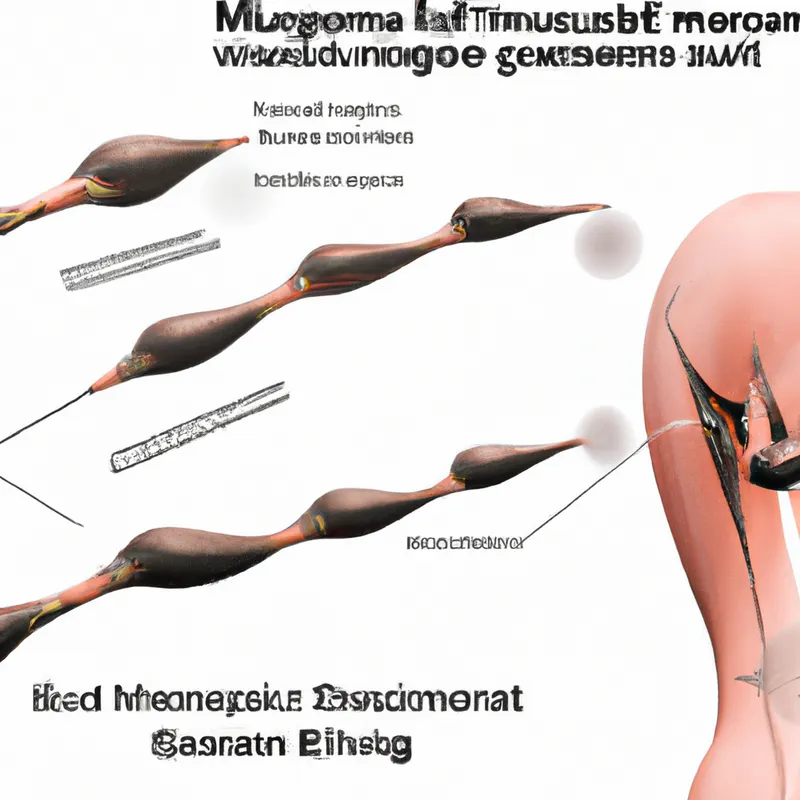
Motor neurons send electrical impulses to muscle fibers during contraction. These impulses activate muscle fibers, causing contraction. EMG sensors detect these impulses and convert them into visual data, represented as graphs or numbers. This data reveals muscle activation timing and intensity.
Types of EMG
Two main types of EMG exist: surface EMG (sEMG) and intramuscular EMG (iEMG).
– **Surface EMG**: Electrodes placed on the skin detect muscle signals. This non-invasive method captures signals from multiple muscles simultaneously, making it easy to use in clinical settings or sports science.
– **Intramuscular EMG**: This method involves inserting a needle electrode into a muscle. While it provides precise data on specific muscle fibers, it is invasive and suits clinical or research settings.
The Importance of EMG in Training
Incorporating EMG into training programs enhances performance and understanding of muscle function. Here are effective ways to utilize EMG:
Set Clear Goals
Define specific objectives before starting EMG analysis. Determine if you want to improve strength, endurance, or technique. Setting goals focuses the analysis on relevant exercises. For instance, assess muscle activation during jumps to enhance explosive power.
Choose the Right Protocol
Select exercises based on your goals. Use compound movements like squats for strength training. These engage multiple muscle groups and reveal complex recruitment patterns. For rehabilitation, focus on targeted exercises for affected muscle groups.
Monitor Progress
Regularly assess EMG data to gain feedback on training progress. Track changes in muscle activation to identify improvements in strength or technique. This ongoing feedback enables timely adjustments to maximize training effectiveness.
Tips for Interpreting EMG
(Provide tips here)
Conclusion
EMG offers valuable insights into muscle recruitment strategies. Understanding EMG data enhances training and rehabilitation efforts.
Below are related products based on this post:
FAQ
What is the main purpose of using EMG in training and rehabilitation?
EMG is used to measure electrical activity in muscles, helping athletes, therapists, and fitness enthusiasts understand muscle activation during various activities. This information is invaluable for improving performance, enhancing training programs, and aiding in rehabilitation efforts.
What are the differences between surface EMG and intramuscular EMG?
Surface EMG (sEMG) involves placing electrodes on the skin to detect muscle signals non-invasively, capturing data from multiple muscles at once. In contrast, intramuscular EMG (iEMG) requires inserting a needle electrode into a muscle, providing precise information about specific muscle fibers, but is considered invasive and is more suited for clinical or research settings.
How can I effectively incorporate EMG data into my training routine?
To effectively incorporate EMG data, set clear training goals, choose appropriate exercises based on those goals, and regularly monitor progress through EMG assessments. This approach helps in understanding muscle function, tracking improvements, and making necessary adjustments to maximize training effectiveness.














Post Comment