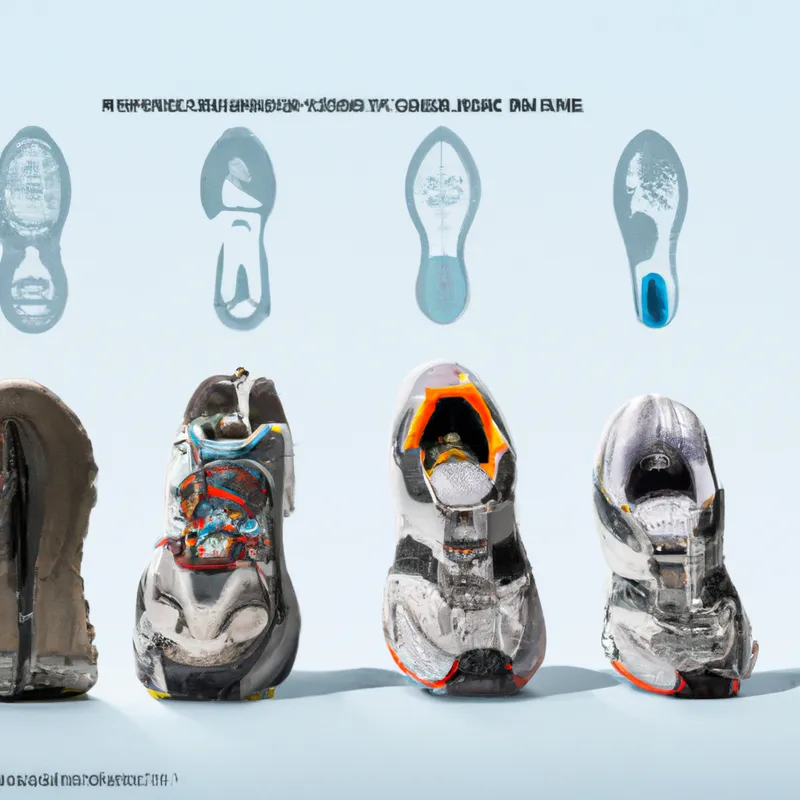
Experience the Future of Running Shoes Today
The Evolution of Running Shoe Technology
Running ranks among the most popular exercises worldwide. Over the years, manufacturers have significantly evolved running shoes. They transformed basic designs into high-tech innovations. This blog explores the evolution of running shoes, highlights key advancements, and offers advice on selecting the right pair.
Early Beginnings
In the early 1900s, runners wore simple leather shoes. These shoes provided minimal cushioning and support. As running gained popularity, the demand for better footwear grew. The 1960s marked a turning point. Bill Bowerman, co-founder of Nike, created the first modern running shoe. He experimented with a waffle iron to develop a unique sole. This sole offered better traction and changed the game for runners everywhere.
The Rise of Cushioning Technologies
In the 1970s, brands prioritized cushioning. Companies like Adidas and Puma introduced foam into their designs. This foam absorbed impact and reduced stress on joints. Runners noticed significant improvements in comfort and performance. Consequently, brands invested in research and development. They aimed to create shoes that catered to various running styles.
Advancements in Materials
By the 1980s, manufacturers introduced lightweight materials. Shoes became more breathable and flexible. Nylon and mesh replaced heavy leather, allowing better airflow. This change helped runners stay cooler during long runs. Additionally, EVA (ethylene-vinyl acetate) foam emerged as a popular cushioning material. It provided excellent shock absorption while remaining lightweight.
The Introduction of Stability Features
In the 1990s, brands focused on stability. Many runners overpronated, which led to injuries. Companies developed shoes with medial posts and support features. These elements corrected running mechanics, reducing injury risk. Runners found that stability shoes improved their performance. Consequently, the market for specialized footwear expanded.
The Advancements in Technology
With the 21st century, technology advanced rapidly. Brands began incorporating cutting-edge technologies into shoes. Nike introduced their Air cushioning system in the late 90s. This system used pressurized air for superior cushioning. Other brands followed, creating unique cushioning technologies.
For instance, Adidas unveiled Boost technology in 2013. This innovation provided energy return, propelling runners forward. As a result, runners experienced less fatigue during long distances. Moreover, brands started using 3D printing for customized shoes. This technology ensured a perfect fit, enhancing performance.
Choosing the Right Running Shoe
With numerous options, selecting the right running shoe can overwhelm you. Here are some tips to help you decide.
Know Your Foot Type
Understanding your foot type is essential. Flat feet, high arches, and neutral arches require different shoes. Visit a specialty running store for a gait analysis. This analysis will determine the best shoe for your needs.
Consider Your Running Style
Your running style impacts your shoe choice. Are you a long-distance runner or a sprinter? Do you run on trails or pavement? Each style has specific shoe requirements. Choose a shoe designed for your running environment.
Prioritize Comfort and Fit
Comfort is crucial when selecting running shoes. Try on different brands and models. Ensure enough room in the toe box. You should be able to wiggle your toes comfortably. Remember, your shoes should feel good from the start. Don’t rely on breaking them in over time.
Benefits of Modern Running Shoes
Modern running shoes provide numerous benefits. First, they offer superior cushioning and support. This significantly reduces injury risk. Second, they enhance performance. Runners can enjoy longer distances with less fatigue. Finally, many shoes feature advanced technologies. These innovations improve breathability and comfort, making every run enjoyable.
The Role of Customization
Customization stands as another benefit of modern running shoes. Many brands offer personalized fitting options. You can adjust the shoe’s features to suit your unique needs. This customization helps prevent injuries and allows for optimal performance.
Conclusion
The evolution of running shoe technology has transformed the running experience. From simple leather shoes to advanced cushioned designs, each innovation enhances performance and comfort. By understanding your foot type and running style, you can choose the right shoes. Embrace technological advancements and enjoy their benefits. Whether you are a novice or an experienced runner, the right shoes make all the difference.
Below are related products based on this post:
FAQ
What key advancements have been made in running shoe technology over the years?
Running shoe technology has evolved significantly, from simple leather designs in the early 1900s to modern innovations featuring advanced cushioning systems, lightweight materials, and stability features. Major developments include the introduction of foam cushioning in the 1970s, lightweight materials like nylon and mesh in the 1980s, and specialized stability shoes in the 1990s. In the 21st century, brands have incorporated cutting-edge technologies such as Nike’s Air cushioning and Adidas’ Boost technology, enhancing overall performance and comfort.
How can I choose the right running shoe for my needs?
Choosing the right running shoe involves understanding your foot type, considering your running style, and prioritizing comfort and fit. It’s essential to know whether you have flat feet, high arches, or neutral arches, as this will influence your shoe selection. Additionally, consider whether you are a long-distance runner or a sprinter and the surfaces you typically run on. Finally, try on various brands and models to ensure the shoe feels comfortable and fits well from the start.
What are the benefits of modern running shoes?
Modern running shoes offer numerous benefits, including superior cushioning and support that significantly reduce the risk of injury. They enhance performance, allowing runners to cover longer














Post Comment