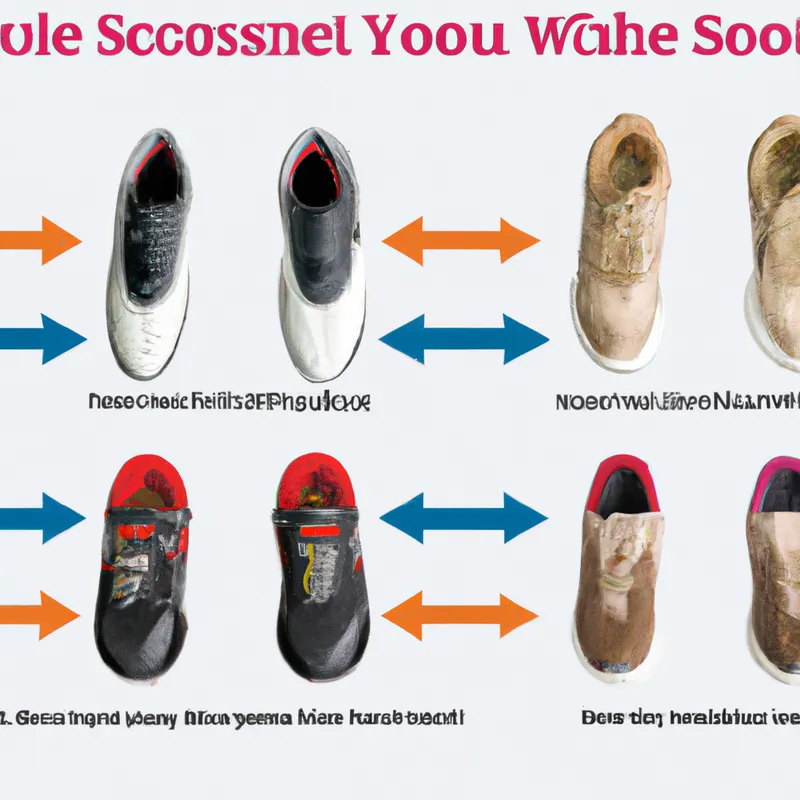
Master Your Gait: A Shoe Selection Guide
How to Choose the Right Shoe for Your Gait
Finding the right shoe can boost your comfort and performance, whether you walk casually or run competitively. Each person has a unique gait, which refers to how your foot moves while walking or running. Selecting the right footwear is essential for comfort and injury prevention. This guide explains how to understand your gait and choose the right shoe.
Understanding Your Gait
Understanding your gait is crucial before choosing a shoe. Your gait falls into three categories: neutral, overpronation, and supination.
Neutral Gait
A neutral gait means your foot rolls slightly inward when you land. This gait allows for balanced pressure distribution across your foot. If you have a neutral gait, select shoes designed for neutral runners. These shoes provide balanced support and cushioning without excessive stability.
Overpronation
Overpronation occurs when your foot rolls excessively inward after landing. This gait can lead to injuries like shin splints or knee pain. If your shoes wear out on the inside, you likely overpronate. Look for stability or motion control shoes that offer extra support and cushioning.
Supination
Supination, or underpronation, happens when your foot rolls outward instead of inward. This gait can increase stress on your feet and knees. If the outside of your shoes wears down quickly, you might be a supinator. Choose cushioned shoes with shock absorption to support your foot and minimize impact.
Tips for Choosing the Right Shoe
Now that you understand your gait, here are practical tips for selecting the right shoe.
Get a Gait Analysis
Visit a specialty running store for a professional gait analysis. Trained staff can assess your running style using methods like treadmill observation. They will recommend suitable shoes based on your unique mechanics.
Consider Your Foot’s Shape
Your foot shape significantly influences the right shoe choice. Some runners have wide feet, while others have narrow ones. Measure your foot’s width and length to find a proper fit. Try on multiple styles and brands, as sizing varies. A well-fitted shoe reduces blisters and discomfort, enhancing your running experience.
Try Shoes On
Always try shoes on before purchasing. Walk or jog in them to test comfort and support.
Conclusion
Understanding your gait helps you select the right shoe. This choice enhances comfort, performance, and injury prevention.
Below are related products based on this post:
FAQ
What are the different types of gait, and how do they affect shoe selection?
Your gait can be classified into three categories: neutral, overpronation, and supination. A neutral gait rolls slightly inward, allowing for balanced pressure distribution, suitable for neutral running shoes. Overpronation rolls excessively inward, requiring stability or motion control shoes for extra support. Supination rolls outward, necessitating cushioned shoes with shock absorption.
How can I determine my gait type?
A professional gait analysis at a specialty running store is the best way to determine your gait type. Trained staff will assess your running style, often using methods like treadmill observation, to recommend suitable footwear based on your unique mechanics.
Why is it important to try shoes on before buying them?
Trying shoes on is crucial as it allows you to test their comfort and support. Walking or jogging in them helps ensure a proper fit, reducing the risk of blisters and discomfort, ultimately enhancing your running experience.














Post Comment