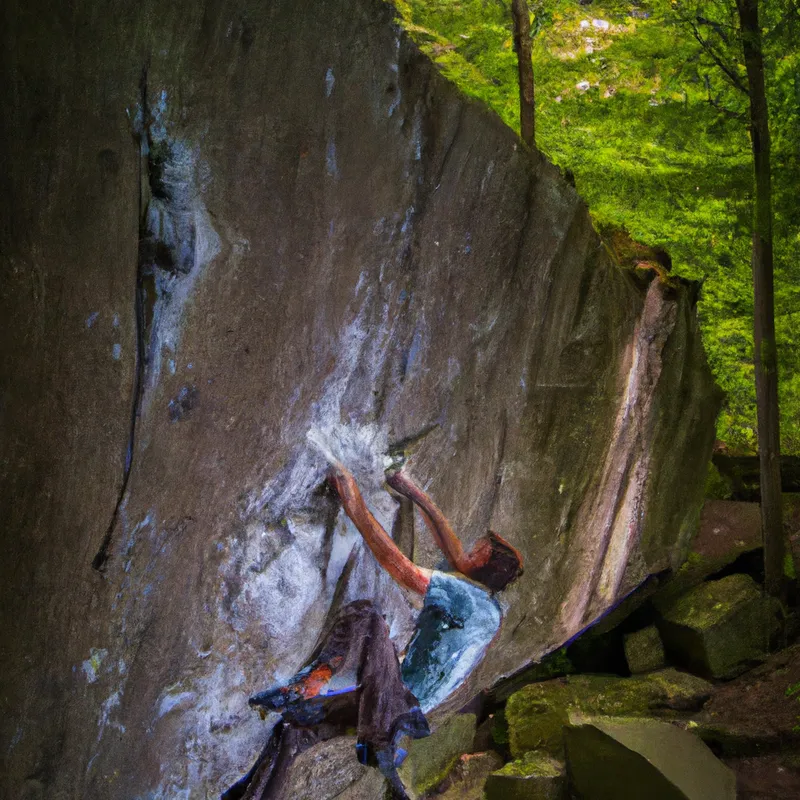
Experience Thrilling Offbeat Bouldering Adventures
Discovering Unique Bouldering Areas: Off the Beaten Path
Bouldering combines strength, problem-solving skills, and appreciation for nature. Many climbers flock to popular spots, but unique areas await exploration. These hidden gems present fresh challenges, stunning scenery, and opportunities to connect with the climbing community. By venturing into less-traveled territories, you can enhance your experience and create lasting memories.
Tips for Finding Unique Bouldering Areas
Finding unique bouldering locations requires initiative and curiosity. Start your search by exploring climbing forums, social media groups, and local clubs. Engage with local climbers to uncover hidden spots not mentioned in guidebooks. Here are additional tips to assist your search:
1. Use Climbing Apps
Climbing apps serve as invaluable resources for climbers. Platforms like Mountain Project and ClimbingBouldering feature extensive databases of routes, including bouldering areas. User-generated content allows climbers to share experiences and insights about lesser-known locations.
2. Explore National Parks
National parks offer incredible bouldering opportunities often overlooked by climbers. Parks like Joshua Tree, Yosemite, and Zion provide stunning landscapes and diverse bouldering problems. While some climbers visit these areas, quieter spots await exploration.
3. Venture into State Parks
State parks typically experience less traffic than national parks, making them perfect for discovering unique bouldering spots. Research nearby state parks for climbing routes that may offer exciting challenges.
4. Look for Local Guides
Local guides possess valuable knowledge about the best bouldering spots in their regions. Hiring a guide or joining a guided trip gives you insider access to off-the-radar challenges. Local guides also help you navigate the area safely and efficiently.
Advice for Planning Your Trip
Once you identify a potential bouldering area, plan thoroughly for a successful trip. Proper preparation ensures safety and enjoyment. Here are essential tips:
Check the Weather
Always check weather conditions before heading out. Rain and snow can make bouldering dangerous, creating slippery holds and unstable rocks. Aim for mild temperatures and dry conditions for optimal climbing.
Bring Essential Gear
Packing the right gear is vital for your bouldering trip. Essential items include climbing shoes, chalk, and crash pads.
Conclusion
Exploring unique bouldering areas enriches your climbing experience. Engage with local communities, use technology, and prioritize safety for unforgettable adventures.
Below are related products based on this post:
FAQ
What are some effective ways to find unique bouldering areas?
To find unique bouldering locations, explore climbing forums, social media groups, and local clubs to connect with other climbers. Climbing apps like Mountain Project and ClimbingBouldering can also provide extensive databases of routes, including lesser-known areas. Additionally, considering national and state parks can lead to discovering beautiful and less trafficked bouldering spots.
Why should I consider hiring a local guide for bouldering?
Hiring a local guide can enhance your bouldering experience by providing insider knowledge about the best spots in the area. Guides can help you navigate the terrain safely, introduce you to off-the-radar challenges, and ensure you get the most out of your climbing adventure.
What should I pack for a bouldering trip?
For a successful bouldering trip, essential gear includes climbing shoes, chalk, and crash pads. It’s also important to check weather conditions beforehand to ensure safety and optimal climbing conditions.














Post Comment