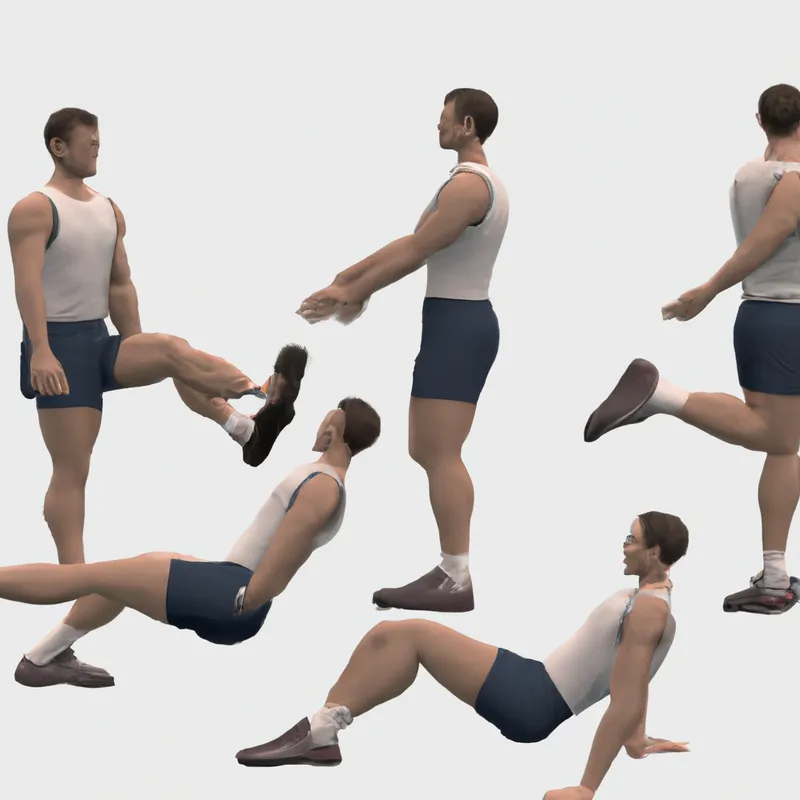
Optimize Performance Through Stretching Diversity
Understanding Types of Stretching for Mobility
Mobility is crucial for health and fitness. Stretching significantly improves mobility. However, different stretching techniques exist. Knowing these techniques helps you choose the right approach.
In this blog post, we explore various types of stretching. We discuss tips, benefits, and advice for incorporating stretching into your routine. Let’s dive in!
Types of Stretching
Several types of stretching exist, each serving a different purpose. Here are the most common types:
Static Stretching
Static stretching involves holding a stretch for 15 to 60 seconds. It elongates muscles and improves flexibility. For instance, reach down to touch your toes while keeping your legs straight.
Dynamic Stretching
Dynamic stretching moves body parts through a full range of motion. Use this type as a warm-up before workouts. Examples include leg swings, arm circles, and walking lunges. Dynamic stretching prepares muscles and enhances blood flow.
Ballistic Stretching
Ballistic stretching uses momentum to force a muscle beyond its normal range. It includes bouncing movements, like reaching and quickly bouncing back. This method can improve flexibility but carries a higher injury risk. Advanced athletes should use it.
Proprioceptive Neuromuscular Facilitation (PNF)
PNF stretching combines static stretching and isometric contractions. This technique often requires a partner. One person stretches the muscle while the other provides resistance. PNF stretching can enhance flexibility and strength. However, it requires more time and effort than other methods.
Tips for Effective Stretching
To maximize your stretching routine, keep these tips in mind:
1. **Warm Up First**: Always warm up before stretching. A brief cardio session increases blood flow.
2. **Breathe Deeply**: Focus on deep breathing while stretching. This helps relax muscles and enhances the stretch.
3. **Listen to Your Body**: Pay attention to your body’s signals. If you feel pain, ease off.
4. **Incorporate Variety**: Mix different types of stretching into your routine. This keeps muscles engaged and promotes flexibility.
5. **Stay Consistent**: Stretch regularly to improve mobility. Aim to stretch at least three times a week.
Advice for Different Populations
Different populations have unique stretching needs. Here are tailored suggestions:
For Athletes
Athletes should prioritize dynamic stretching during warm-ups. Incorporate sport-specific movements to prepare for performance. Use static stretching after workouts to aid recovery and flexibility.
For Seniors
Older adults should focus on static stretching. This method maintains flexibility and reduces stiffness. Perform gentle stretches daily, targeting major muscle groups.
For Office Workers
Office workers often experience tightness in hips and shoulders. Incorporate short stretches throughout the day. Simple neck stretches and seated hamstring stretches relieve tension and improve mobility.
Benefits of Stretching for Mobility
Incorporating stretching into your routine offers numerous mobility benefits:
1. **Increased Flexibility**: Regular stretching improves muscle length and elasticity, enhancing flexibility.
2. **Enhanced Range of Motion**: Stretching helps joints move freely, allowing greater ease in daily activities.
3. **Reduced Injury Risk**: Improved flexibility and mobility lower injury risk during physical activities.
4. **Improved Posture**: Stretching alleviates muscle imbalances, leading to better posture and alignment.
5. **Stress Relief**: Stretching promotes relaxation and reduces tension, improving mental well-being.
Conclusion
Understanding different stretching types enhances mobility. Each type serves a unique purpose and benefits various populations. Incorporating static, dynamic, ballistic, and PNF stretching into your routine improves flexibility, reduces injury risk, and promotes well-being.
Remember to warm up, listen to your body, and stay consistent. With the right stretching approach, you can unlock your body’s full potential. Start stretching today and experience the difference!
Below are related products based on this post:
FAQ
What is static stretching and how does it benefit flexibility?
Static stretching involves holding a stretch for 15 to 60 seconds, which elongates muscles and improves flexibility. For example, reaching down to touch your toes while keeping your legs straight is a common static stretch. This method helps maintain muscle elasticity and is beneficial for enhancing overall flexibility.
How can I incorporate dynamic stretching into my warm-up routine?
Dynamic stretching involves moving body parts through a full range of motion and is ideal for warming up before workouts. You can include exercises such as leg swings, arm circles, and walking lunges in your routine. These movements prepare your muscles for activity and enhance blood flow, making them an effective warm-up strategy.
What stretching techniques are recommended for seniors?
For seniors, static stretching is recommended to maintain flexibility and reduce stiffness. Gentle stretches should be performed daily, focusing on major muscle groups. This approach helps improve mobility and can be easily integrated into a daily routine to enhance overall well-being.














Post Comment