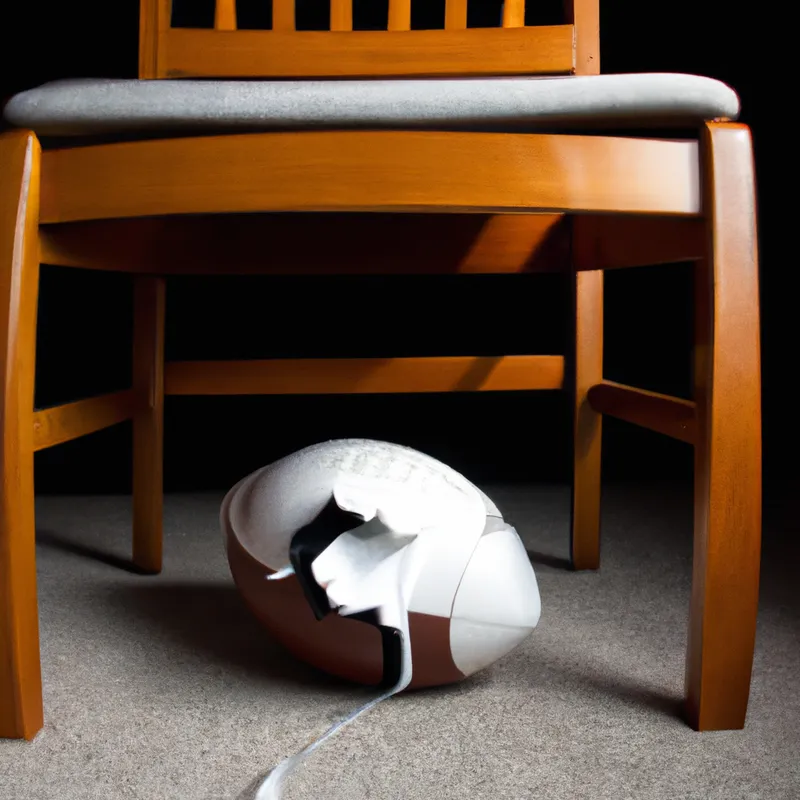
Manage Stress as a Top Draft Selection
The Psychological Impact of Being a First-Round Draft Pick
First-round draft picks fulfill a dream for many athletes. They feel excitement but also face immense pressure. This experience significantly impacts their psychology. Let’s explore these effects and ways to navigate this challenging transition.
The Weight of Expectations
First-round draft picks encounter high expectations. Fans, coaches, and teammates demand immediate results. Many players feel the need to prove themselves quickly. The fear of failure looms large. Athletes worry about disappointing family, friends, and organizations. This constant stress can cause anxiety and self-doubt. The pressure to perform often overshadows the joy of playing.
The Comparison Game
Social media intensifies this pressure. Athletes compare themselves to established stars, feeling inadequate. Daily highlights of others’ successes reinforce this narrative. This can create negative self-talk and skew their perception of abilities.
Fans debate draft picks, scrutinizing every play. Players read comments questioning their worth, damaging their confidence. Instead of focusing on their game, they often dwell on external noise, hindering optimal performance.
Dealing with Mental Health
Recognizing the psychological impact is essential. Many first-round picks face mental health challenges, including anxiety, depression, and burnout. The transition to professional sports can feel jarring due to increased competition.
Seeking support proves crucial. Athletes should consider therapy or counseling to manage emotional and psychological aspects. Mental health professionals offer strategies to cope with stress and anxiety. Open conversations with teammates foster a supportive environment for sharing struggles.
Tips for Managing Expectations
First-round picks can proactively manage their mental health. Here are some practical tips:
1. **Set Realistic Goals**: Focus on personal growth rather than external expectations. Set achievable performance goals that emphasize improvement and teamwork.
2. **Practice Mindfulness**: Mindfulness techniques significantly reduce anxiety. Meditation, yoga, and breathing exercises help athletes stay grounded and focused.
3. **Limit Social Media Exposure**: Reducing time on social media alleviates comparison pressures. Athletes should curate feeds to follow supportive accounts.
Conclusion
First-round draft picks face unique psychological challenges. By understanding these impacts and adopting proactive strategies, athletes can navigate their new roles successfully.
Below are related products based on this post:
FAQ
What psychological challenges do first-round draft picks typically face?
First-round draft picks often experience immense pressure due to high expectations from fans, coaches, and teammates. This pressure can lead to anxiety, self-doubt, and the fear of failure, overshadowing the joy of playing the sport.
How does social media affect the mental well-being of first-round draft picks?
Social media can intensify feelings of inadequacy as athletes compare themselves to established stars and face scrutiny from fans. This constant comparison can lead to negative self-talk and hinder their ability to focus on their performance.
What strategies can first-round draft picks use to manage their mental health?
First-round draft picks can manage their mental health by setting realistic goals, practicing mindfulness techniques, and limiting their exposure to social media. These strategies can help reduce anxiety and promote a supportive environment for growth and improvement.













Post Comment