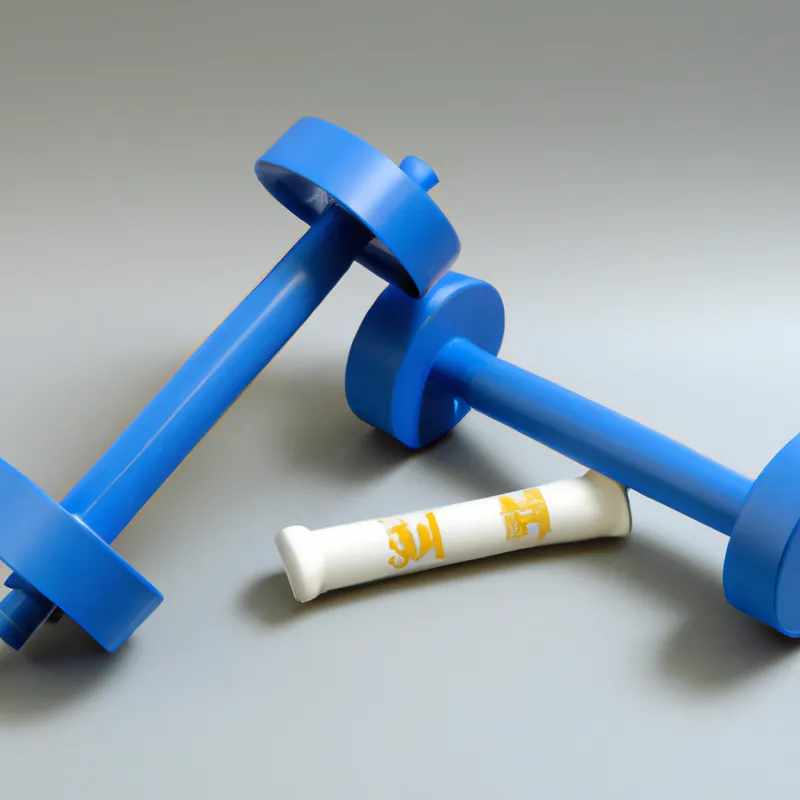
Enhance Stability: Strength Training for Aging Adults
Strength Training and Bone Health: What Older Adults Need to Know
Maintaining bone health becomes crucial as we age. Osteoporosis and fractures often concern older adults. Fortunately, strength training enhances bone density and well-being. This blog post explores strength training’s importance, offers tips for starting, and discusses the benefits of regular exercise.
Why Strength Training Matters
Strength training builds muscle using resistance. This process is vital for everyone, especially older adults. Aging leads to natural muscle loss, known as sarcopenia. Muscle loss can weaken bones and increase fracture risk. Strength training counters this decline by stimulating muscle growth and enhancing bone density.
When we lift weights or do resistance exercises, our muscles contract against resistance. This action exerts force on bones, signaling them to strengthen. Research shows that regular strength training can increase bone density and lower osteoporosis risk by up to 30%. With approximately 54 million Americans affected by osteoporosis, especially postmenopausal women, daily strength training is essential.
The Science Behind Bone Health
To understand strength training’s impact on bone health, we must explore bone remodeling. Our bones continually undergo a process called remodeling, where old bone breaks down and new bone forms. Weight-bearing activities stimulate this process and encourage new bone mass formation.
The mechanostat theory explains how mechanical load affects bone density. When bones experience stress from lifting weights, they adapt by becoming denser and stronger. A sedentary lifestyle can lead to bone loss. This cycle emphasizes the importance of resistance training, particularly as we age.
Tips for Safe Strength Training
Starting strength training can feel overwhelming. However, the right approach makes it enjoyable and rewarding. Here are essential tips for older adults incorporating strength training:
Start Slowly
If you’re new to strength training, begin with light weights or resistance bands. Focus on mastering basic movements before progressing to heavier weights. This approach prevents injuries and builds confidence. Aim for two to three sessions per week and allow muscles time to recover.
Focus on Form
Proper form is crucial for effective strength training. Incorrect techniques can cause injuries, especially in older adults with pre-existing conditions. Consider working with a certified trainer or joining a class for older adults. They can guide proper form and technique, maximizing workout benefits.
Incorporate Variety
Variety keeps workouts interesting and engages different muscle groups. Include exercises targeting major muscle groups: legs, back, chest, and arms. You can also mix in bodyweight exercises to enhance your routine.
Conclusion
Strength training significantly benefits older adults’ bone health. It enhances muscle growth, increases bone density, and reduces injury risk. Incorporate strength training into your routine for better health and well-being.
Below are related products based on this post:
FAQ
Why is strength training important for older adults?
Strength training is crucial for older adults as it helps counteract the natural muscle loss that occurs with aging, known as sarcopenia. By building muscle and enhancing bone density, strength training reduces the risk of fractures and osteoporosis, which affects millions of older Americans.
What are some tips for safely starting a strength training program?
To start strength training safely, begin with light weights or resistance bands and focus on mastering basic movements. It’s essential to maintain proper form to prevent injuries, and consider seeking guidance from a certified trainer or joining a class designed for older adults. Aim for two to three sessions per week, allowing muscles time to recover.
How does strength training affect bone remodeling?
Strength training stimulates bone remodeling by applying mechanical stress to the bones, which signals them to strengthen and increase in density. This process helps counteract bone loss associated with a sedentary lifestyle and is especially important for older adults to maintain strong and healthy bones.














Post Comment