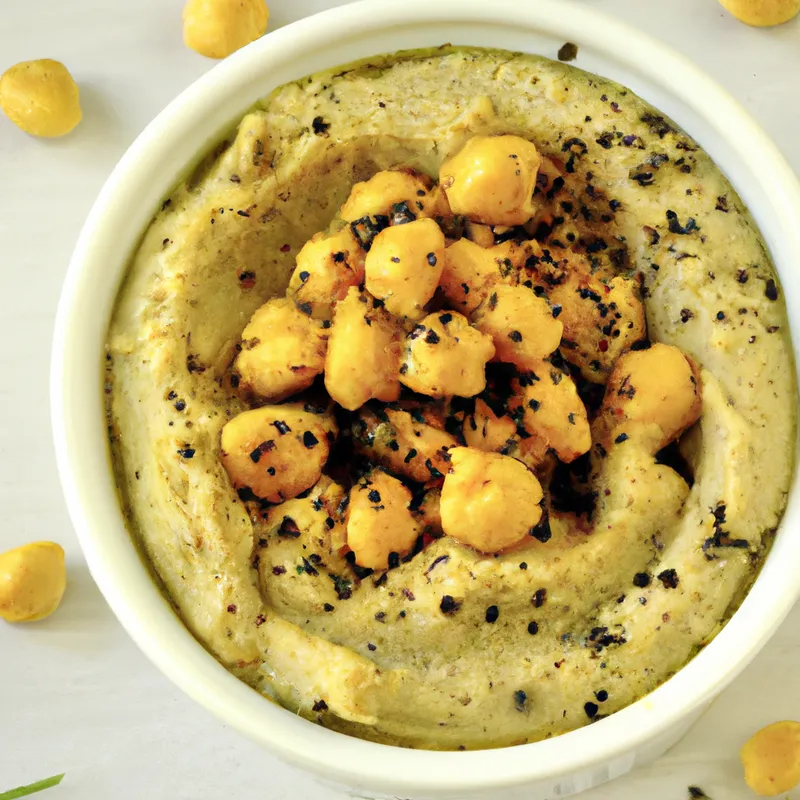
Elevate Traditional Dishes with Plant-Based Proteins
How to Incorporate Plant-Based Proteins into Traditional Recipes
Plant-based diets have gained popularity due to health, sustainability, and animal welfare awareness. Many people want to reduce meat consumption or adopt fully plant-based lifestyles. Incorporating plant-based proteins into traditional recipes can help with this transition. This approach enhances meals and promotes healthier eating. In this blog post, we will share strategies for adding plant-based proteins to your favorite dishes.
Understanding Plant-Based Proteins
Plant-based proteins come from various sources and effectively substitute animal proteins. Common sources include:
– **Legumes:** Beans, lentils, and peas offer protein, fiber, and essential nutrients. They easily replace meat in recipes.
– **Soy Products:** Tofu, tempeh, and edamame provide protein and fit well in stir-fries and salads.
– **Grains:** Quinoa, farro, and bulgur deliver protein and complex carbohydrates, making meals filling and nutritious.
– **Nuts and Seeds:** Almonds, walnuts, chia seeds, and hemp seeds enhance protein content while adding texture and flavor.
Understanding these ingredients helps you make informed choices when reimagining traditional recipes.
Tips for Incorporating Plant-Based Proteins
Transitioning to plant-based proteins can be enjoyable and straightforward. Here are tips for successful incorporation:
Start Small
If you’re new to plant-based cooking, substitute plant-based proteins in one or two meals each week. For example, replace ground beef with lentils in chili or spaghetti sauce. This gradual approach allows experimentation without overwhelm.
Experiment with Flavors
Plant-based proteins often have mild flavors, allowing them to absorb surrounding tastes. Enhance their flavor with robust seasonings, marinades, and sauces. For instance, marinate tofu in soy sauce, ginger, and garlic before grilling for added flavor.
Mix and Match
Combining different plant-based proteins adds variety and complexity to meals. For example, mix chickpeas and quinoa in a salad for a complete protein source. This combination provides all essential amino acids and keeps meals interesting.
Use Textural Contrast
Texture plays a crucial role in meal satisfaction. Aim for balanced textures when using plant-based proteins. In hearty soups, add diced vegetables, beans, and whole grains for a fulfilling mouthfeel. This contrast elevates your dish and enhances enjoyment.
Adjust Cooking Times
Plant-based proteins may require different cooking times than traditional meats. For instance, lentils cook faster than beef, so adjust your cooking accordingly.
Conclusion
Incorporating plant-based proteins into traditional recipes offers a path to healthier, sustainable meals. Enjoy experimenting with these strategies!
Below are related products based on this post:
FAQ
What are some common sources of plant-based proteins?
Common sources of plant-based proteins include legumes such as beans, lentils, and peas; soy products like tofu, tempeh, and edamame; grains such as quinoa and farro; and nuts and seeds including almonds and chia seeds. These ingredients can effectively substitute for animal proteins in various recipes.
How can I start incorporating plant-based proteins into my meals?
To begin incorporating plant-based proteins, start small by substituting them in one or two meals each week. For example, you can replace ground beef with lentils in chili or spaghetti sauce. This gradual approach allows you to experiment with flavors and textures without feeling overwhelmed.
What are some tips for enhancing the flavor of plant-based proteins?
Plant-based proteins often have mild flavors, which allows them to absorb surrounding tastes well. To enhance their flavor, use robust seasonings, marinades, and sauces. For instance, marinating tofu in soy sauce, ginger, and garlic before grilling can significantly boost its taste.














Post Comment