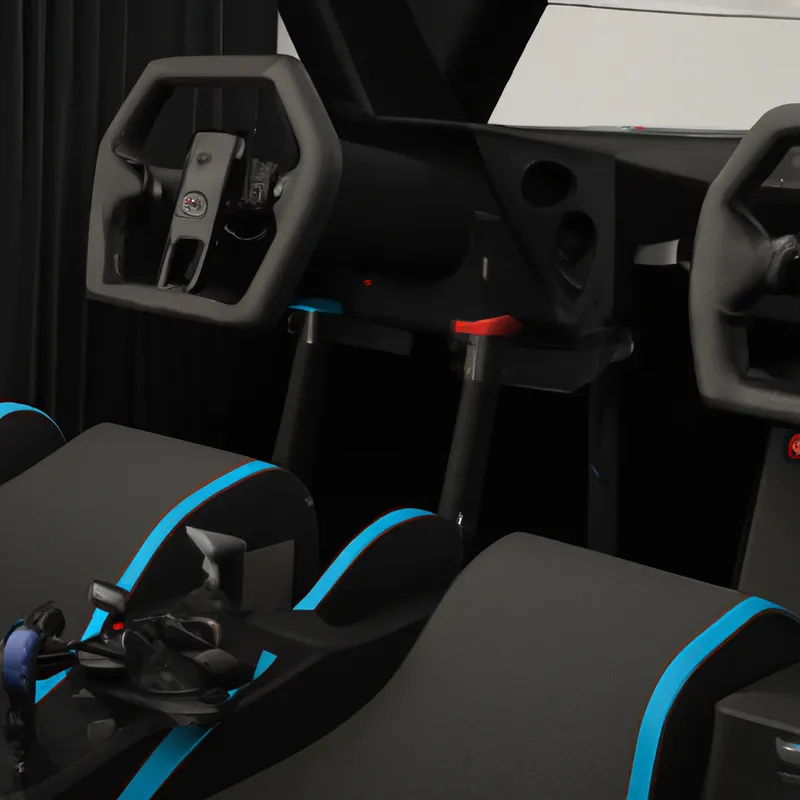
Optimize Your Sim Racing Seat for Success
The Importance of Proper Seating Position in Sim Racing
Sim racing gives enthusiasts the thrill of racing without real-life risks. Your performance in virtual competitions depends on one crucial element: your seating position. A proper setup enhances comfort, improves control, and boosts overall racing performance. This blog post explores the importance of seating position in sim racing and offers tips for optimizing your setup.
Why Seating Position Matters
Your seating position affects your control of the virtual vehicle. Sitting correctly allows you to respond faster and drive more precisely. On the other hand, poor seating leads to discomfort and fatigue, impacting your focus during long races.
Physical Implications
Proper seating promotes better posture during racing sessions. Good posture prevents strain on your back, neck, and shoulders. Maintaining a well-aligned spine reduces the risk of chronic pain, enabling longer sim racing enjoyment.
Additionally, an optimized seating position improves blood circulation. A comfortable and well-positioned body allows for efficient functioning, keeping your mind sharp and alert, especially during competitive races.
Psychological Factors
Your seating position influences your psychological state. A comfortable racing environment boosts confidence and focus. When you feel comfortable, you perform at your best. Conversely, discomfort can lead to frustration and distraction, negatively impacting your performance.
Tips for Finding Your Ideal Seating Position
Finding the perfect seating position requires time and adjustment. Here are tips to achieve the best setup for sim racing:
1. Adjust Your Seat Height
Start by adjusting your seat height. Your feet should rest comfortably on the pedals, with slightly bent knees. When your feet are flat, your knees should form a gentle angle. This setup allows for better pedal control and reduces cramping during long sessions.
2. Position the Seat Back
Next, recline your seat back at a slight angle. A 15 to 20-degree angle helps you maintain control of the steering wheel while providing back support. This position allows for a relaxed grip, reducing fatigue and enabling smoother movements.
3. Align Your Wheel
Ensure that your steering wheel is positioned correctly. Your arms should bend slightly when gripping the wheel, allowing for optimal leverage and control. Straight or overly bent arms can hinder your reactions to changes on the track.
4. Utilize Pedal Placement
Pay attention to your foot placement on the pedals.
Conclusion
Proper seating position significantly impacts your sim racing experience. Adjust your setup for better comfort, control, and performance.
Below are related products based on this post:
FAQ
Why is seating position important in sim racing?
Your seating position is crucial because it affects your control of the virtual vehicle. A proper setup enhances comfort, improves responsiveness, and boosts overall racing performance. Conversely, poor seating can lead to discomfort and fatigue, which negatively impacts focus and performance during long races.
What are the physical benefits of having a good seating position?
Good seating position promotes better posture, preventing strain on your back, neck, and shoulders. Maintaining a well-aligned spine reduces the risk of chronic pain and allows for longer enjoyment of sim racing. Additionally, an optimized seating position improves blood circulation, keeping your mind sharp and alert during competitions.
What adjustments should I make to find my ideal seating position?
To find your ideal seating position, start by adjusting your seat height so your feet rest comfortably on the pedals with slightly bent knees. Then, recline your seat back at a slight angle of 15 to 20 degrees for better back support and control. Ensure your steering wheel is properly aligned so your arms bend slightly when gripping it, and pay attention to your foot placement on the pedals for optimal control.














Post Comment