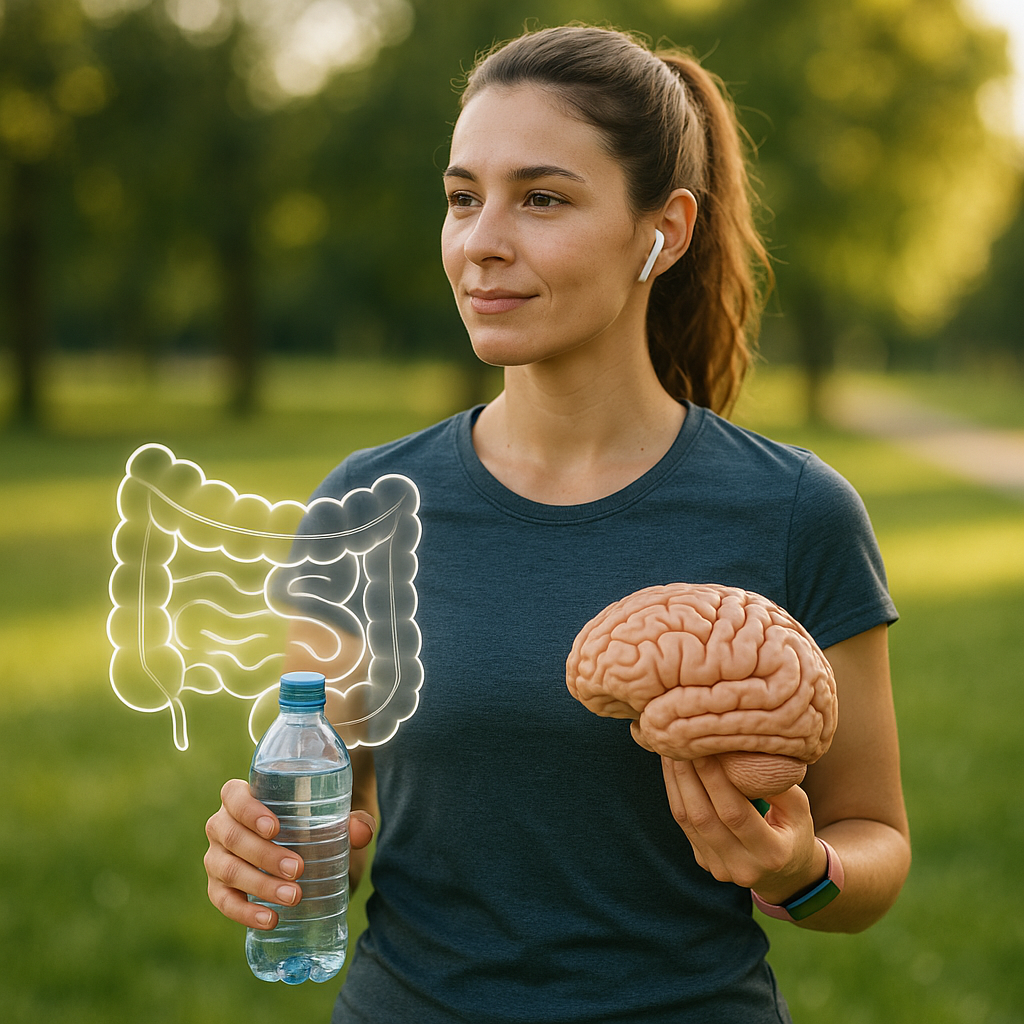
Could Gut Microbes Have Helped Shape the Human Brain?
New research suggests the microbes living in our intestines may do more than help digest food—they might have helped shape brain development and behavior across species. In experiments where gut bacteria from different primates were transferred into germ-free mice, the recipient animals developed brain activity and patterns that resembled the original host species. Microbial communities from primates with larger brains appeared to boost pathways associated with brain energy use and learning, while other communities produced very different brain signatures. These surprising results add to mounting evidence that the gut microbiome and brain are deeply connected.
Quick Summary
- Transferring gut microbes from various primates into mice changed the mice’s brain activity to resemble the donor species.
- Microbiomes from large-brained primates were linked to higher brain-energy and learning-related pathways in mice.
- The findings suggest gut microbes could have influenced brain evolution and may affect human mental health, but evidence is preliminary.
- Human relevance is promising but not proven—animal studies point to mechanisms, not direct cause-and-effect in people.
What the experiments did and why they matter
Researchers took gut microbial communities from several primate species and introduced them into germ-free mice—animals raised without any microbes. After colonization, the mice didn’t just show gut changes: their brains showed shifts in gene expression, energy metabolism, and neural pathways that more closely matched the donor primate than a typical mouse. In particular, microbes from primates with relatively large brains seemed to increase activity in pathways tied to energy supply and learning.
That matters because it demonstrates a potential route—through gut microbes—by which evolutionary changes in diet, environment, or social structure might indirectly influence brain development. Rather than being purely genetic, some traits could be shaped by the organisms that live inside us and co-evolve with their hosts.
How gut microbes can influence the brain: plausible mechanisms
1. Metabolites and nutrients
Gut bacteria produce a host of small molecules—short-chain fatty acids, amino acid derivatives, vitamins—that can reach the bloodstream and affect brain cells directly or indirectly by altering energy balance and neurotransmitter synthesis.
2. Immune signalling
The gut microbiome educates the immune system. Immune molecules influenced by microbes can cross or signal across the blood–brain barrier and modify brain development or function, especially early in life.
3. Neural routes (vagus nerve)
Microbial signals can activate the vagus nerve, a direct neural highway from gut to brain, changing neural activity and behavior on relatively fast timescales.
4. Hormones and the HPA axis
Microbes can alter stress hormones and the hypothalamic–pituitary–adrenal (HPA) axis, which in turn affect learning, memory, and mood regulation.
Limitations: why this doesn’t mean the gut “controls” intelligence
- Most work so far is in animals. Mice are powerful models but are not humans; primate-to-mouse transfers show mechanisms, not direct causation in people.
- Microbes are only one piece of a highly complex evolutionary puzzle that includes genetics, diet, social behavior, and environment.
- Effects observed in controlled lab settings may not translate to real-world human variability across lifespans and cultures.
Implications for human brain health and mental well-being
If gut microbes can nudge brain development or function, then shifts in microbiome composition—due to diet, antibiotics, environment, or lifestyle—might influence susceptibility to mood disorders, cognitive decline, or developmental conditions. Emerging human studies link certain microbial patterns to depression, anxiety, and cognition, but results are inconsistent and often not yet causal.
Practical interventions that support a diverse, balanced gut microbiome could reasonably be part of a broader strategy for brain health, alongside sleep, exercise, social connection, and medical care. However, avoid simplistic claims that a single probiotic or supplement will boost intelligence or cure psychiatric conditions.
Practical steps to support a gut–brain friendly lifestyle
These steps are general, evidence-informed habits that support gut and brain health. They are not medical advice—talk with a clinician for personalized recommendations.
- Eat a diverse, fiber-rich diet: whole grains, legumes, vegetables, fruit, nuts, and seeds feed beneficial microbes.
- Include fermented foods like yogurt, kefir, sauerkraut, and miso for microbial variety (if tolerated).
- Limit ultra-processed foods and excessive added sugars that can reduce microbial diversity.
- Avoid unnecessary antibiotics and follow medical guidance when they are needed.
- Prioritize regular physical activity—exercise benefits both gut community diversity and brain function (try to stay active outdoors or on trails if you like; see gear basics if you’re starting trail work: https://whellthyvibe.com/trail-running-shoes-best-trail-gravel/).
- Manage stress with mindfulness, social connection, or therapy—stress alters the gut microbiome and the HPA axis.
- Sleep consistently and avoid late-night eating to support circadian and microbial rhythms (sleep timing matters: https://whellthyvibe.com/stop-late-night-eating-dim-lights-heart-health/).
- Be cautious with unproven or dangerous products marketed to “reset” your gut—some compounds are harmful to cells and microbiota (learn more about risky substances here: https://whellthyvibe.com/mms-danger-harms-cells-gut-bacteria/).
Checklist: quick actions you can start today
- [ ] Add at least one extra vegetable or legume to a daily meal.
- [ ] Swap one snack a day from processed to whole-food (fruit, nuts, yogurt).
- [ ] Move 30 minutes—walk, bike, run, or trail—most days of the week.
- [ ] Set a consistent bedtime and avoid heavy late-night meals.
- [ ] Review current supplements/medications with your clinician, especially recent or frequent antibiotic use.
Common mistakes people make when reading gut–brain research
- Overgeneralizing animal findings directly to humans: mouse models show possibility, not proof of effect size in people.
- Assuming any probiotic brand will improve cognition or mood—most products lack robust clinical evidence for those claims.
- Expecting quick fixes: microbiome changes and brain benefits, if they occur, usually happen over weeks to months, not overnight.
- Using unregulated or dangerous products to “reset” the microbiome—some substances can damage gut cells and microbes.
- Neglecting other proven brain-health habits (sleep, exercise, mental stimulation) while focusing only on gut tweaks.
Conclusion
The idea that gut microbes helped shape the human brain is plausible and exciting. Recent animal experiments show how different microbial communities can influence brain energy, gene expression, and learning-related pathways. But the science is early: these findings reveal mechanisms and raise important questions rather than delivering firm answers about human intelligence or psychiatric disease. For now, the clearest takeaways are modest and practical—support a diverse, resilient gut microbiome through diet, movement, sleep, and prudent medical care as part of a broader approach to brain health.
FAQ
Q: Does this research prove gut bacteria control human intelligence?
A: No. The studies show gut microbes can influence brain biology in animal models, but they do not prove microbes determine human intelligence. Intelligence is shaped by many genetic, environmental, and social factors.
Q: Can I take probiotics to become smarter or prevent dementia?
A: There’s currently no strong evidence that over-the-counter probiotics will increase intelligence or reliably prevent dementia. Some probiotics may help mood or gut symptoms in specific situations, but effects vary by strain and person. Discuss options with a healthcare professional.
Q: Should I stop antibiotics to protect my brain?
A: Don’t stop prescribed antibiotics when they’re needed. Unnecessary antibiotic use can harm the microbiome, so discuss risks and benefits with your clinician and follow prescribed courses carefully.
Q: Are fermented foods and fiber enough to change my microbiome for the better?
A: Fermented foods and dietary fiber are among the best evidence-based ways to support microbial diversity and gut health. They’re sensible parts of a healthy lifestyle, though individual responses vary and changes occur gradually.
Q: When should I seek professional help about gut or brain symptoms?
A: See your primary care doctor or a specialist if you have persistent digestive problems, significant mood changes, cognitive decline, sleep disruption, or other concerning symptoms. A clinician can evaluate causes, run tests if needed, and recommend evidence-based treatments.
Part of the Complete Strength Training Guide
Explore more: Complete Strength Training Guide














Post Comment