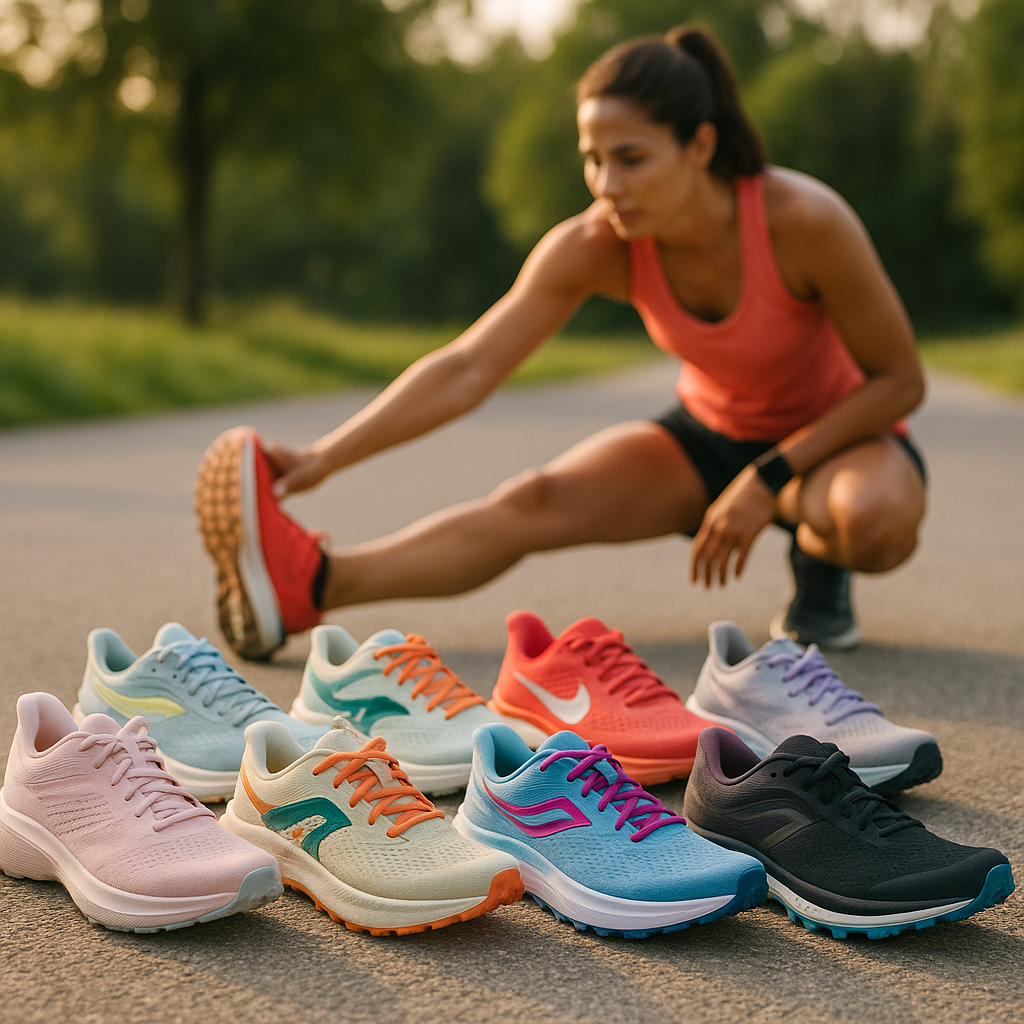
Top 10 Women’s Running Shoes Right Now: Road and Trail Picks from Our Wear-Test Team
Quick Summary
- We tested road and trail models across cushioning, stability, and speed categories to find versatile picks for most runners.
- Our top road picks balance cushioning and responsiveness; trail picks prioritize grip and protection.
- Fit and purpose matter more than brand—match shoe geometry to your run type and cadence.
- Use the practical steps and checklist below to narrow choices, and avoid common fitting mistakes.
Introduction
Choosing the right running shoe can feel overwhelming: brands, foam types, stack heights, and tread patterns all compete for attention. Our women’s wear-test team spent weeks logging miles—short tempo runs, long steady efforts, and technical trails—to narrow the field. Below are the 10 models that consistently performed across different paces and surfaces, plus guidance to help you pick the best shoe for your goals.
How we tested
Testers included recreational and more experienced runners, covering 3K to marathon training paces and mixed-terrain routes. We evaluated fit, cushioning, responsiveness, stability, traction (trail), and durability. The picks are organized with a short note about who will like each model most.
Our Top 10 Women’s Running Shoes (Road + Trail)
1. HOKA Clifton (road)
Why we like it: Plush cushioning in a surprisingly light package, ideal for daily training miles and longer recovery runs.
Best for: Runners who want soft landings without sacrificing easy turnover.
2. HOKA Bondi (road)
Why we like it: One of the most cushioned neutral shoes available; excellent for long slow runs or anyone seeking max shock absorption.
Best for: High-mileage runners and people recovering from minor impact sensitivity (check with a professional for injury concerns).
3. Brooks Glycerin (road)
Why we like it: Smooth ride and plush upper that adapts to foot shape. Our women’s wear-test team appreciated the consistent fit across sizes. If you want a deep dive into whether the Glycerin suits your running style, see our guide: Choose Brooks Glycerin for Your Running Style.
Best for: Neutral runners who prioritize comfort on daily runs.
4. Brooks Ghost (road)
Why we like it: Balanced cushioning and a stable platform make this a dependable everyday trainer with predictable ride quality.
Best for: Runners seeking a durable, no-nonsense training shoe.
5. New Balance Fresh Foam (road)
Why we like it: Fresh Foam midsoles give a plush yet responsive feel; often available in multiple widths for a more customizable fit.
Best for: Runners who need wider toe boxes or a softer midsole with moderate energy return.
6. Nike Pegasus (road)
Why we like it: A versatile, responsive trainer that transitions well from tempo to daily miles. Typically light and breathable.
Best for: Runners who want one shoe for both speed work and easy days.
7. Saucony Ride / Endorphin Shift (road)
Why we like it: Saucony’s Ride is a solid daily trainer; the Endorphin Shift leans into cushioned comfort with a lively feel—great for long runs and mixed paces.
Best for: Those who want a smoother toe-off without an aggressive rocker.
8. HOKA Speedgoat (trail)
Why we like it: Rugged traction and protective rock plate make it a go-to for technical, rocky trails.
Best for: Trail runners who need durability and aggressive grip on loose terrain.
9. Salomon Speedcross (trail)
Why we like it: Excellent grip in mud and soft surfaces, with a secure, lockdown fit that helps on steep, technical sections.
Best for: Off-trail races, muddy routes, and runners wanting immediate confidence on technical terrain.
10. Altra Lone Peak (trail)
Why we like it: Foot-shaped toe box and zero-drop platform suit hikers and trail runners who prefer natural foot splay and a more grounded feel.
Best for: Runners who favor natural stride mechanics and wide toe boxes.
How to Pick the Right Shoe: Practical Steps
- Define the primary use: daily training, tempo/race, long runs, or trail.
- Assess your foot shape: measure foot length and width, check arch height, and note any asymmetries.
- Consider cadence and stride: faster runners often prefer lower stack heights and firmer midsoles; slower, longer-run-focused athletes often like more cushioning.
- Try shoes later in the day when feet are slightly swollen to get an accurate fit.
- Bring your usual running socks to the fitting and test with a quick jog or treadmill run if the store allows.
- Allow a break-in window—expect 20–30 miles for many models to settle into your stride.
Practical Checklist: Before You Buy
- Do you know the shoe’s primary purpose (road/trail, speed/training)?
- Is there at least a thumb’s width between your longest toe and the shoe end?
- Are both width and volume comfortable (no pinch points, no slipping heel)?
- Do you have a return/trial option if a long run reveals a fit issue?
- Does the shoe come in your preferred width or size range?
Common Mistakes Runners Make When Choosing Shoes
- Picking a shoe because of color or marketing rather than fit and function.
- Ignoring the shoe’s intended use—using road shoes for technical trails or trail shoes for long road miles.
- Buying a shoe that’s too small due to trying right after a run when feet are cold and narrower.
- Assuming more cushioning always prevents injury—shoe choice is only one piece of training load, form, and recovery.
- Not rotating two pairs—rotation extends durability and can reduce repetitive stress.
Maintenance and Longevity
Rotate shoes if you run regularly and avoid using your daily trainers for muddy trail sessions. Most trainers last 300–500 miles; trail shoes vary more depending on terrain. Regularly inspect tread and midsole compression, and plan replacement when cushioning or traction degrades.
Pairing Shoes with Recovery and Nutrition
Choosing the right shoe is one element of sustainable running. Post-run recovery and fueling also influence performance and comfort. For ideas on tailoring your post-workout meals to support recovery and training demands, see this practical guide: Tailor Post-Workout Meal.
Conclusion
There’s no single “best” running shoe for every woman—your ideal pick depends on foot shape, running goals, and terrain. The 10 models above performed consistently across our women’s wear-test team and cover common needs: cushioned daily training, faster tempo options, and rugged trails. Use the practical steps and checklist, avoid common mistakes, and consider rotating two pairs for best results.
Frequently Asked Questions
Q1: How often should I replace my running shoes?
A: Most trainers last between 300–500 miles depending on runner weight, gait, and terrain. Signs you need new shoes include noticeable midsole compression, loss of cushioning, or worn tread. Track mileage and inspect shoes regularly.
Q2: Should women buy women’s-specific running shoes?
A: Women’s shoes are typically built on narrower lasts, with different colorways and cushioning tuning. Fit matters most—try both men’s and women’s models if sizing permits, but prioritize comfort and support over label alone.
Q3: Can I use road running shoes on trails?
A: Light, well-groomed trails may be fine for road shoes, but technical routes with rocks, roots, or mud require trail-specific traction and protection. Using the right shoe for terrain reduces slip and improves foot protection.
Q4: Are more cushioned shoes always better for long runs?
A: Not always. Cushioning can improve comfort and reduce perceived impact, but too much stack with an unfamiliar geometry can alter stride mechanics. Choose cushioning that feels stable and supports your natural gait.
Q5: How important is shoe width and toe-box shape?
A: Very important—feet need room to splay naturally during landing. A cramped toe box can cause black toenails, blisters, and long-term discomfort. If you have wide feet, look for models that offer wide sizes or inherently roomier toe boxes.













Post Comment