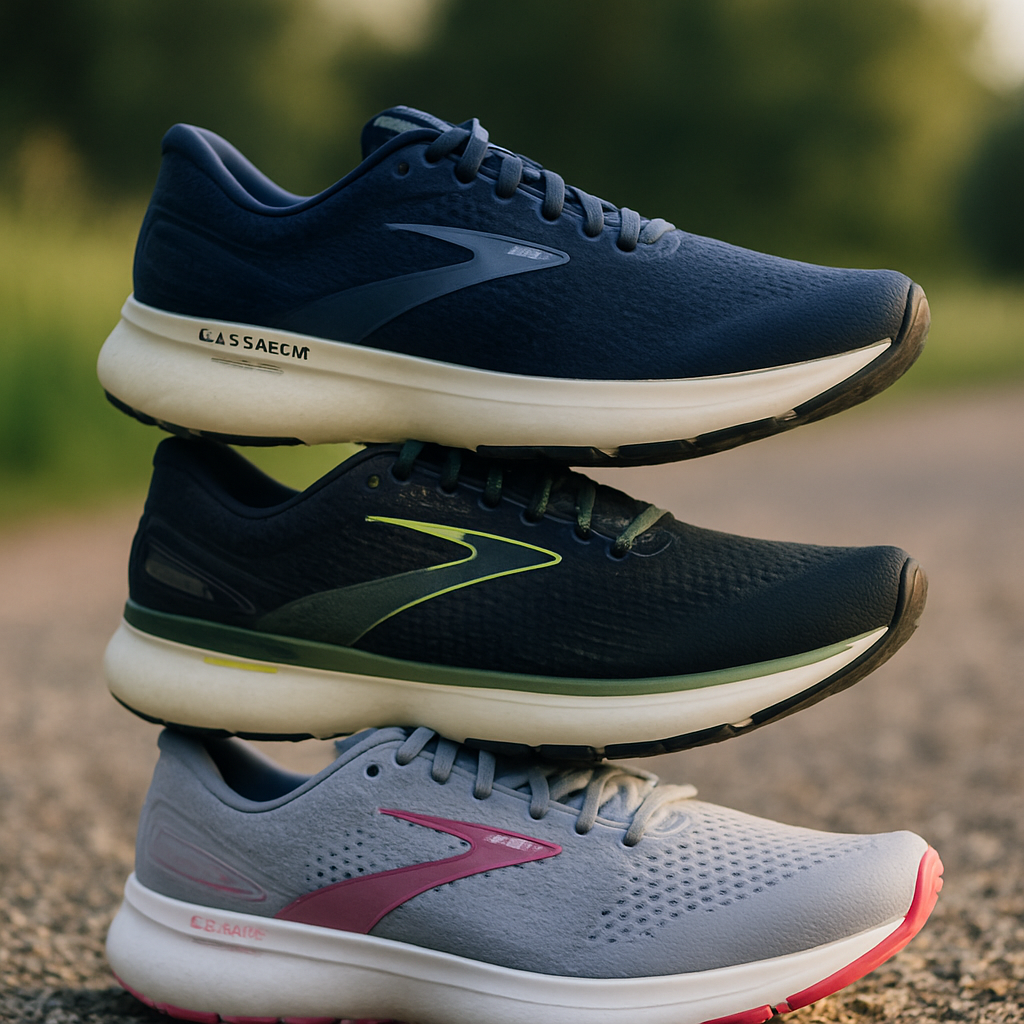
Which Brooks Glycerin Variant Matches Your Running Style?
Quick Summary
- Brooks Glycerin is a plush, high-cushion shoe for neutral runners; Glycerin GTS adds support for mild-to-moderate overpronation.
- Pick by running goals: long-distance comfort, daily training, or a mix—each variant has trade-offs in weight and responsiveness.
- Fit, foot shape, and typical surface (road vs treadmill) are as important as the model label—try shoes later in the day and with your running socks.
- Use objective checks: heel counter stability, midfoot lockdown, toe-box room, and a short test run to confirm ride and comfort.
Intro
If you love plush cushioning and a soft ride, the Brooks Glycerin family will likely be on your shortlist. But which Glycerin is the one for your running style? There’s a difference between the straight Glycerin (neutral) and the Glycerin GTS (stability), and model updates can change feel, weight, and stack height. This guide helps you decide based on foot shape, running goals, and training habits. Take our quiz to get a personalized recommendation, or follow the steps below to make an informed choice.
Understand the Glycerin Line
Glycerin (Neutral)
The neutral Glycerin emphasizes maximum cushioning and a smooth, plush transition. It’s built for runners who want impact protection on long runs or daily mileage without added arch support. Expect a soft midsole, a roomy feel in many versions, and a focus on comfort over speed.
Glycerin GTS (Support)
Glycerin GTS introduces support features—think a guide rail or structured medial side—that help control mild-to-moderate overpronation. The support is typically subtle: you keep much of the Glycerin’s plush ride while getting extra stability. Ideal if you need structure but dislike rigid stability shoes.
Match Your Running Style
1. Neutral Long-Distance Runner
Choose the neutral Glycerin if: you have a neutral gait, you prioritize cushioning and comfort on long runs, and you don’t need corrective support. It will help reduce fatigue and protect joints during high weekly mileage.
2. Support-Seeking Runner
Choose the Glycerin GTS if: you pronate inward slightly to moderately, you want a soft ride but need guidance to keep your foot from rolling, or you’ve had mild running-related knee or IT band issues that improved with modest support. The GTS gives structure without a harsh feel.
3. Speed Work and Tempo Runs
Neither Glycerin variant is a race-day speed shoe, but the lighter and less-cushioned updates (if offered in a model year) may be better for faster workouts. If you do many intervals, consider rotating with a more responsive trainer to preserve Glycerin cushioning for easy and long runs.
Consider Shoe Fit & Foot Shape
Even the plushest model won’t work if the fit is wrong. Key fit factors:
- Toe box: enough room to splay toes, especially on longer runs—see our guide for wide feet if you need more room: Best Running Shoes for Wide Feet & Big Toes.
- Midfoot lockdown: should feel secure without pressure points.
- Heel fit: minimal slipping to avoid blisters.
- Sock & orthotic compatibility: test with the socks and insoles you use.
Training Surface & Durability
Glycerins are primarily road shoes. If you run on mixed terrain or trails, the softer midsole may compress faster; consider a more rugged trainer for mixed surfaces. If you’re mostly on pavements and treadmill, the Glycerin’s cushioning will help protect against repetitive impact.
Practical Steps to Choose the Right Glycerin
- Identify your gait: get a gait analysis at a specialty store or record a short video of your run to assess pronation.
- Decide on primary use: long runs, daily miles, or speed workouts—and plan to rotate with a more responsive shoe if needed.
- Try both neutral and GTS versions: compare comfort, stability, and ride on a test run of at least 10–20 minutes.
- Fit check: try shoes later in the day, wear your running socks, and allow ~0.5–1 cm (a thumb’s width) from longest toe to shoe tip.
- Evaluate feel: ensure no hotspots, adequate toe splay, and steady heel hold. Walk and jog in-store; then run outside to confirm.
Quick Checklist Before Buying
- Gait type determined (neutral vs pronation).
- Primary use selected (long runs, daily trainer, or workouts).
- Tested both neutral Glycerin and GTS on short runs.
- Proper sizing with running socks and any orthotics.
- No pressure points, adequate toe-box room, and minimal heel slip.
- Consider rotation shoe if you do speed work.
Caring for Your Glycerins
Rotate shoes to extend midsole life and avoid using your Glycerin for muddy trails. Air-dry wet shoes and avoid machine-drying. Track mileage—most modern trainers last 300–500 miles depending on runner weight and surface.
Don’t forget recovery: pair cushioned runs with proper refueling. For post-run meals that balance carbs and protein to support recovery, see our tips on tailoring a post-workout meal: Tailor Your Post-Workout Meal.
Common Mistakes
- Choosing solely by model name or color—fit and feel matter more than marketing.
- Buying stability (GTS) when you don’t need it—extra structure can feel restrictive for truly neutral runners.
- Ignoring foot width—no shoe will be comfortable if the toe box is too narrow; reference wide-fit guides when necessary.
- Skipping a test run—walking in the store isn’t the same as running outside for 10–20 minutes.
- Failing to rotate—using one pair for everything speeds midsole breakdown and can increase injury risk.
Conclusion
Choosing the right Brooks Glycerin comes down to matching your gait, preferences for cushioning vs guidance, and the types of runs you do most. Neutral runners who value plush comfort will prefer the standard Glycerin, while those wanting discreet stability should try the GTS. Use the practical steps, checklist, and fit tips above to make a confident choice—then test the shoe on the road. If you want more general footwear guidance while shopping, check this broader shoes guide: On Running Shoes Guide.
FAQ
Q1: Are Brooks Glycerin shoes good for long runs?
A1: Yes—the Glycerin line is designed for comfort and impact protection, making it a strong choice for long, easy-paced runs and high weekly mileage for neutral runners.
Q2: Should I pick Glycerin or Glycerin GTS if I overpronate slightly?
A2: If your overpronation is mild to moderate and you prefer a soft ride, try the Glycerin GTS. If you’re unsure, get a gait analysis and test both versions for feel and comfort.
Q3: How long do Glycerin shoes typically last?
A3: Expect roughly 300–500 miles depending on your weight, running surface, and gait. Rotate with another trainer to extend lifespan and reduce injury risk.
Q4: Can I use Glycerin shoes for speed workouts?
A4: Glycerins are primarily cushioned trainers; they’re fine for occasional tempo runs but not ideal for frequent intervals or races. Pair them with a lighter, more responsive shoe for speed days.
Q5: What should I do if the Glycerin feels too narrow or too soft?
A5: If the toe box feels narrow, try a wider size or check models known for roomy fit; our wide-feet guide can help: Best Running Shoes for Wide Feet & Big Toes. If it feels too soft, consider a firmer trainer or rotate with a more responsive shoe for workouts.














1 comment