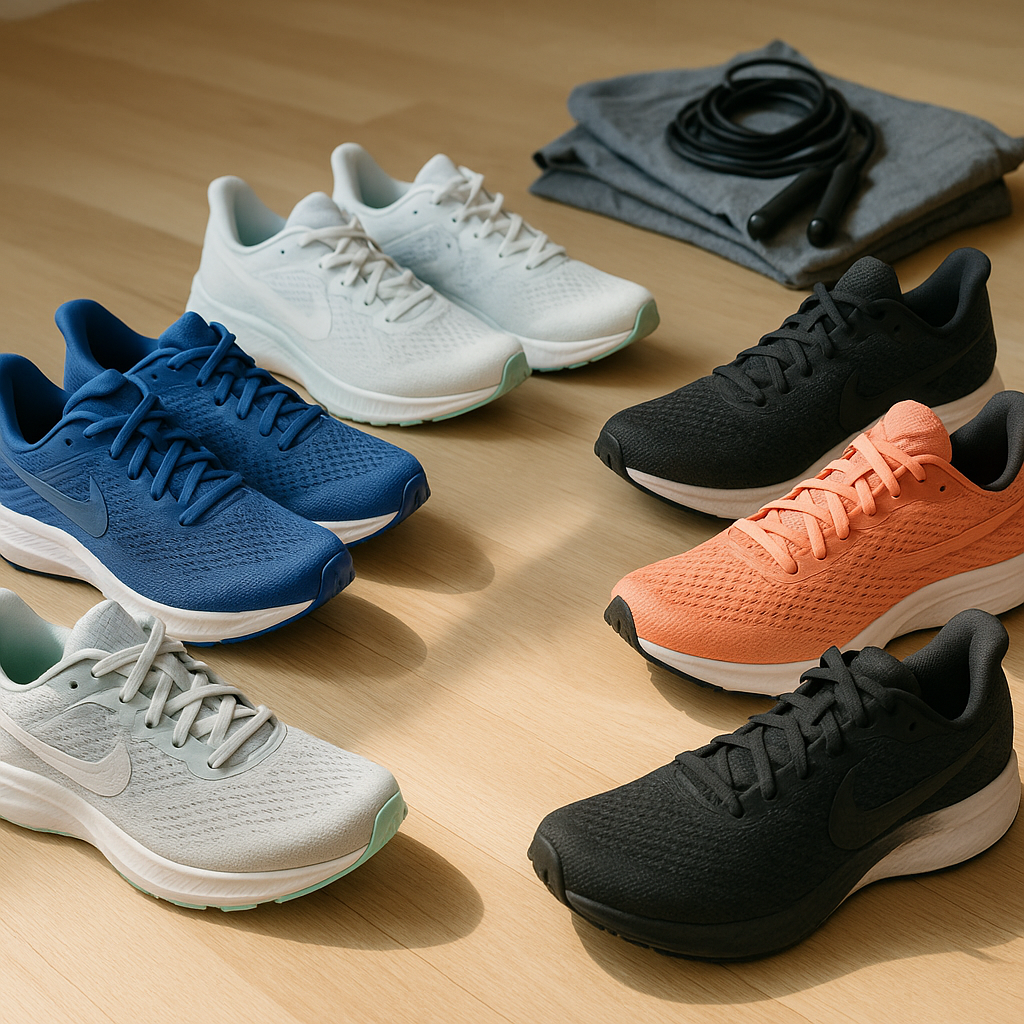
Editor-Approved: 6 Best Running Shoes for Beginners (Plus How to Choose & Fit Them)
Quick Summary
- Six beginner-friendly picks cover neutral, cushioned, stability, lightweight, budget, and trail categories.
- Fit, cushioning, and your running goals matter more than brand hype—try shoes with your running socks and a short test run.
- If you have specific needs (wide feet, overpronation, injury history), prioritize fit and expert gait advice.
Intro
Starting to run is one of the most cost-effective ways to improve fitness, mood, and cardiovascular health. But the right pair of shoes can make the difference between a comfortable launch into the sport and sore feet or frustration. Below are six beginner-friendly running shoes chosen for comfort, durability, support and value—plus practical guidance on how to choose, try on, and care for your first running shoes.
Our 6 Top Running Shoes for Beginners
1. Best all-around daily trainer: Brooks Ghost
Why it’s good: The Brooks Ghost is a predictable, cushioned neutral trainer with a smooth ride and reliable durability. It’s forgiving for new runners who are still developing cadence and form.
Who it’s for: Beginners who want one shoe for short runs, easy daily mileage, and occasional tempo workouts.
Considerations: Available in multiple widths and known for a roomy toe box—good if you’re unsure about precise fit.
2. Best for plush cushioning: HOKA Bondi
Why it’s good: HOKA’s maximal-cushion models prioritize softness and shock absorption, which can help reduce impact soreness as you build mileage.
Who it’s for: New runners who prefer a very cushioned feel or those who plan longer weekly mileage early on.
Considerations: Bulkier stack height may feel different; try a short run to evaluate stability and ground feel.
3. Best lightweight/versatile option: Nike Pegasus
Why it’s good: The Pegasus blends responsiveness and cushioning, making it a versatile pick for short runs, faster intervals, and everyday training.
Who it’s for: Beginners who want a single shoe for a range of paces and workouts.
Considerations: Fit can vary by model year—test in-store or buy from a retailer with a good return policy.
4. Best stability shoe: Brooks Adrenaline GTS
Why it’s good: Stability shoes like the Adrenaline use supportive features to reduce excessive inward rolling (overpronation) and maintain alignment through the gait cycle.
Who it’s for: Runners who lean inward when they run, those with low arches, or anyone who needs a little extra midsole guidance.
Considerations: If you suspect overpronation, a gait analysis at a specialty running store or from a physical therapist can help confirm whether you need support.
5. Best budget pick: ASICS Gel-Contend (or Gel-Excite)
Why it’s good: Budget trainers deliver basic cushioning and decent durability at a lower price—perfect if you’re trying running without a large investment.
Who it’s for: New runners on a tight budget or those buying their first pair to test commitment to the sport.
Considerations: Lower-cost trainers offer less refined cushioning and may be heavier; plan to replace sooner if your mileage increases quickly.
6. Best beginner trail shoe: Saucony Peregrine
Why it’s good: A neutral trail shoe with sticky outsole lugs and protective rock plates offers traction and confidence on dirt paths and uneven terrain without being overly aggressive.
Who it’s for: Beginners who plan to run mostly on trails or mixed surfaces and need more grip and protection than road shoes provide.
Considerations: Trail shoes can feel stiffer on pavement—choose based on your primary surface.
How to Choose Running Shoes as a Beginner
Finding the right shoe is about matching the shoe to your feet, goals and running surfaces. Use these practical steps.
Practical steps
- Measure your feet later in the day—feet swell during activity and across the day, so measure when they’re largest.
- Bring the socks you plan to run in when trying shoes—socks change fit and comfort.
- Try at least a half size up from your street shoe and test for about 10–15 minutes, including a short jog if the store allows it.
- Check for about a thumb-width of space in front of your longest toe and no excessive slipping at the heel.
- If you suspect mechanical issues (pain, frequent injuries), seek a gait analysis at a specialty shop or consult a physical therapist.
Checklist: What to look for when trying shoes
- True fit: toes can move, but your heel shouldn’t lift excessively.
- Cushion level: comfortable underfoot but not so soft that it feels unstable.
- Arch feel: the midfoot should feel supported, not pressed into a pressure point.
- Weight: lighter feels quicker but may sacrifice cushioning; choose based on your goals.
- Traction: consider outsole design for the surfaces you’ll run on.
If you have wide feet or big toes, check specialized guides to find shoes with roomier toe boxes and wider lasts: best running shoes for wide feet & big toes.
Common Mistakes New Runners Make (and How to Avoid Them)
- Buying by style or color rather than fit—looks don’t prevent blisters or pain.
- Starting with too much mileage or speed—gradually increase volume to avoid injury.
- Ignoring shoe life—running shoes lose cushioning and support after 300–500 miles.
- Neglecting sock choice—thin, breathable running socks reduce friction and hot spots.
- Relying solely on online reviews—fit is personal; test shoes in person when possible.
Care and When to Replace Your Shoes
Keep shoes clean and dry between runs, rotate two pairs if you run frequently, and replace shoes when you notice midsole compression, outsole wear, or recurring aches. As a rule of thumb, expect 300–500 miles depending on your weight, running style and the shoe’s construction.
After runs, pair your shoes with intentional recovery: a balanced post-run meal and hydration help tissue repair—see basic ideas for a post-workout meal here: tailor your post-workout meal.
Conclusion
There’s no single “best” running shoe for every beginner. The right choice depends on your foot shape, biomechanics, typical running surface and personal comfort preferences. Use the six categories above to narrow options, try shoes with the socks and conditions you’ll run in, and prioritize fit over brand. If pain or uncertainty persists, consider professional gait analysis or a physical therapy consult.
FAQ
1. How often should a beginner replace running shoes?
Most shoes last 300–500 miles. Beginners who run a few times per week may replace shoes every 6–12 months depending on mileage, wear patterns and comfort.
2. Do I need stability shoes?
Not everyone needs stability shoes. They’re helpful if you overpronate or your gait causes inward rolling. A gait analysis at a specialty shop or guidance from a physical therapist can clarify whether you need support.
3. Can I run in cross-training shoes at first?
Short, occasional runs in cross-trainers are fine, but shoes designed specifically for running provide better cushioning and flexibility for repetitive forward motion and reduce injury risk over time.
4. Is a more expensive shoe always better?
Price doesn’t guarantee the right fit. More expensive models may use advanced materials, but the best shoe is the one that fits your foot and goals comfortably.
5. How do I know if a shoe causes a bad fit or an injury?
If you experience persistent pain (knee, shin, ankle, or foot) after switching shoes, it may be the fit or a mismatch with your biomechanics. Stop running, reassess shoe fit, and consult a professional if pain continues.












Post Comment