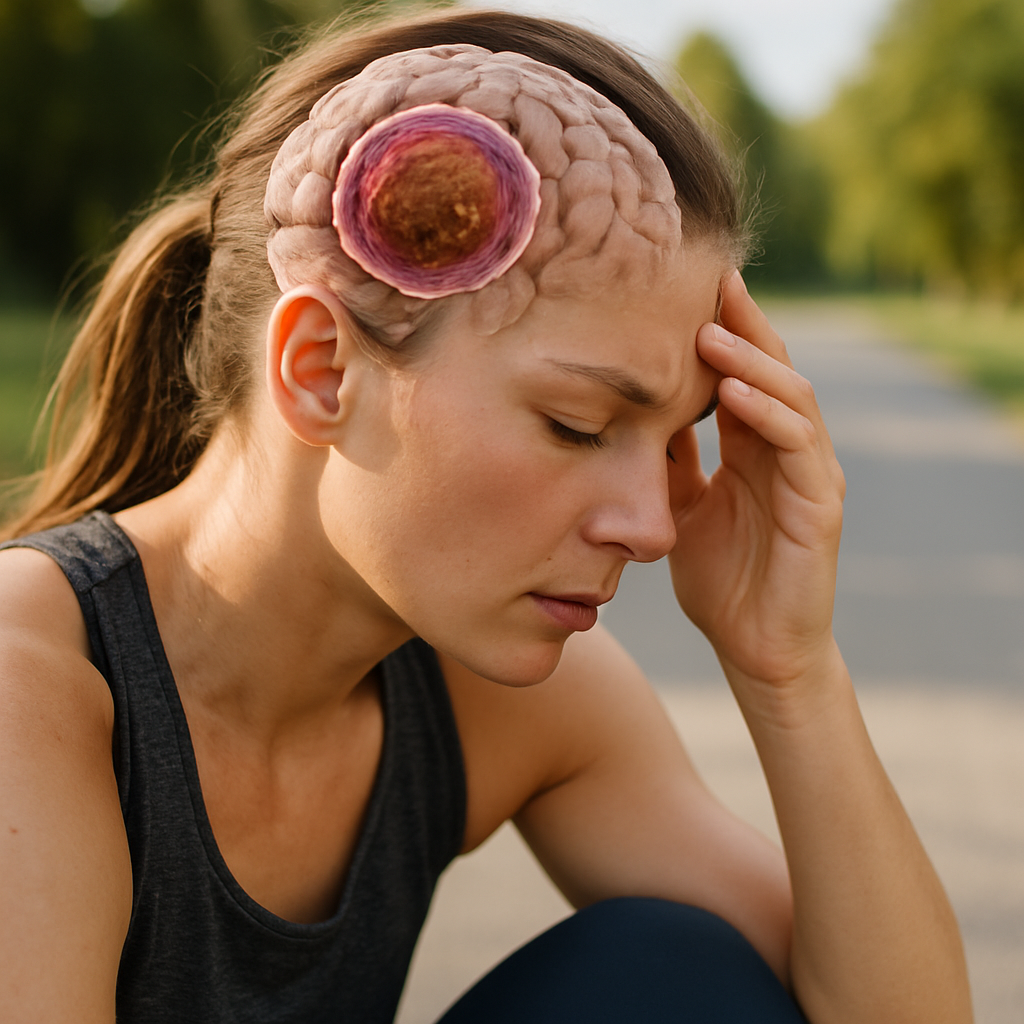
Toxoplasma in the Brain: Why ‘Dormant’ Cysts May Be Primed to Wake
Quick Summary
- New research shows Toxoplasma gondii tissue cysts in the brain are not uniformly dormant; they contain a mix of parasite subtypes including forms poised to reactivate.
- This heterogeneity helps explain why chronic infections are difficult to eliminate and why reactivation can occur in people with weakened immunity.
- The discovery shifts drug-development strategies toward targeting multiple parasite states and improving diagnostics that detect active or primed parasites.
For decades, scientists described chronic Toxoplasma gondii infection as a largely dormant stage in the brain: encysted “bradyzoites” tucked away and biologically quiet. Recent evidence complicates that picture. It appears that cysts can harbor a mix of parasite forms, including cells that are transcriptionally or metabolically primed to break dormancy. That alters how researchers and clinicians think about persistence, reactivation and the search for cures.
What researchers found
Traditional models of Toxoplasma infection distinguish two main forms: rapidly dividing tachyzoites that drive acute illness, and slow-growing bradyzoites inside tissue cysts during chronic infection. The prevailing idea was that bradyzoites are uniformly quiescent, which explains why most healthy people remain asymptomatic after the initial illness.
Newer studies using single-cell and advanced molecular profiling have revealed that tissue cysts are more complex. Rather than a single, homogeneous population of sleeping bradyzoites, cysts can contain multiple parasite subtypes with different gene-expression patterns and metabolic states. Some of those subtypes look like they are on a continuum between fully dormant bradyzoites and active tachyzoites — in other words, primed for reactivation.
Why this changes our understanding of chronic infection
There are three major consequences of recognizing heterogeneity inside cysts:
- Reactivation risk is not a single switch: If some parasites inside a cyst are already closer to an active state, fewer triggers may be needed to restart an infection. This helps explain why people with weakened immune systems can experience reactivation even long after the initial infection.
- Persistent reservoirs are more dynamic: The idea of an entirely dormant reservoir that drugs never touch is too simple. Some parasite subtypes could be intermittently metabolically active and partially susceptible to certain treatments, while others remain deeply hidden.
- Treating chronic infection is more complicated: Drugs that work well against tachyzoites may be ineffective against bradyzoites. If cysts contain intermediates or primed cells, treatment needs to address multiple physiological states rather than a binary target.
Implications for drug development and research
Recognizing cyst heterogeneity reshapes priorities in several ways:
- New targets and combination therapies: Drug programs may need to identify molecular pathways active in primed subtypes and design combinations that kill both active and quiescent forms.
- Better models and assays: Laboratory models that reflect cyst diversity will be crucial to screen candidate drugs effectively. Single-cell approaches and advanced imaging can help measure responses across parasite subtypes.
- Diagnostics that distinguish states: Current tests often reveal exposure (antibodies) rather than whether parasites are primed or actively replicating. Biomarkers that detect metabolic or transcriptional signatures of primed parasites could improve risk assessments for immunocompromised patients.
What this means for people and public health
For the general population, the news doesn’t mean an immediate change in everyday risk: most people with chronic Toxoplasma infection remain healthy for life. However, the findings highlight why clinicians are cautious with certain groups:
- People with weakened immune systems (for example, those with untreated HIV, on chemotherapy, or taking strong immunosuppressants) face a higher risk of reactivation and severe disease.
- Pregnant people who acquire new infection during pregnancy remain a key concern because acute infection can cross the placenta and affect the fetus.
If you have concerns about Toxoplasma exposure, treatment options, or pregnancy-related risks, discuss them with your healthcare provider. Diagnosis and personalized medical advice are important steps in managing risk.
Practical steps and a simple checklist to reduce risk
Until treatments that reliably clear cysts exist, prevention remains essential. Below are practical measures to lower exposure risk.
Practical steps
- Cook meat thoroughly: Ensure whole cuts reach safe internal temperatures (poultry, pork, lamb, and beef guidelines vary by country — when in doubt, cook until juices run clear and the center is no longer pink).
- Freeze meat when possible: Freezing at sufficiently low temperatures for several days reduces parasite load in some meats, though cooking is the most reliable method.
- Wash fruits and vegetables: Rinse produce under running water and peel if contamination is suspected.
- Practice good litter-box hygiene: If you care for a cat, change the litter daily (Toxoplasma oocysts need time to become infectious) and wear gloves. If you are pregnant or immunocompromised, arrange for someone else to change the litter.
- Wear gloves when gardening: Soil can be contaminated with oocysts from infected cat feces; use gloves and wash hands afterward.
- Wash hands regularly: Especially after handling raw meat, gardening, or cleaning pet waste.
Checklist
- Cook all meats to recommended temperatures before eating.
- Wash or peel raw vegetables and fruits.
- Use gloves for gardening and handling soil.
- Change cat litter daily and avoid direct contact if pregnant or immunosuppressed.
- Wash hands thoroughly after potential exposures.
- Talk to your healthcare provider about testing or precautions if you are pregnant or have a weakened immune system.
Common Mistakes
- Assuming chronic infection is always harmless: While most healthy people remain fine, anyone with weakened immunity can be at real risk of reactivation and should get medical advice.
- Blaming cats as the only source: Cats spread the parasite via oocysts, but undercooked meat is a common source of infection too. Prevention should address both routes.
- Relying solely on serology for active disease: Antibody tests show past exposure but don’t always indicate whether parasites are active or primed. Clinical context and additional testing matter.
- Thinking freezing always kills parasites: Freezing reduces risk but is not a guaranteed kill method for all parasite stages or for all household freezer conditions. Proper cooking is more reliable.
- Self-treating based on internet advice: Anti-parasitic treatments have side effects and require medical oversight. Discuss options with a clinician rather than self-medicating.
Conclusion
The discovery that Toxoplasma cysts can contain diverse parasite subtypes — including forms primed for reactivation — reframes how we view persistence and disease risk. It helps explain clinical observations of reactivation and underscores the need for therapies and diagnostics that address parasite heterogeneity. For now, sensible prevention and clinical vigilance remain the best tools, especially for pregnant people and those with weakened immune systems. If you have specific concerns about exposure, testing, or treatment, consult a healthcare provider who can offer personalized guidance.
FAQ
Q1: What is Toxoplasma gondii and how common is it?
A: Toxoplasma gondii is a single-celled parasite that infects many warm-blooded animals, including humans. Exposure is common worldwide; prevalence varies by region and lifestyle factors such as diet and cat exposure.
Q2: Can a chronic Toxoplasma infection be cured?
A: Current standard treatments effectively manage acute infection but do not reliably eliminate tissue cysts. Research is ongoing to develop drugs that can clear cysts or target primed parasite forms.
Q3: Who is most at risk from reactivation?
A: People with weakened immune systems—such as those with uncontrolled HIV, organ transplant recipients, or people on strong immunosuppressive medications—are at higher risk of reactivation and serious disease. Pregnant people are at risk if they acquire a new infection during pregnancy.
Q4: How is Toxoplasma infection diagnosed?
A: Diagnosis often starts with blood tests for antibodies indicating past or recent exposure. Additional tests and clinical evaluation are used to assess active or reactivated disease. Discuss symptoms and testing options with a healthcare professional.
Q5: What practical steps reduce my risk of infection?
A: Reduce risk by cooking meat thoroughly, washing produce, wearing gloves when gardening, practicing safe litter-box hygiene, and washing hands after potential exposures. Those who are pregnant or immunocompromised should speak with their clinician for tailored advice.














Post Comment