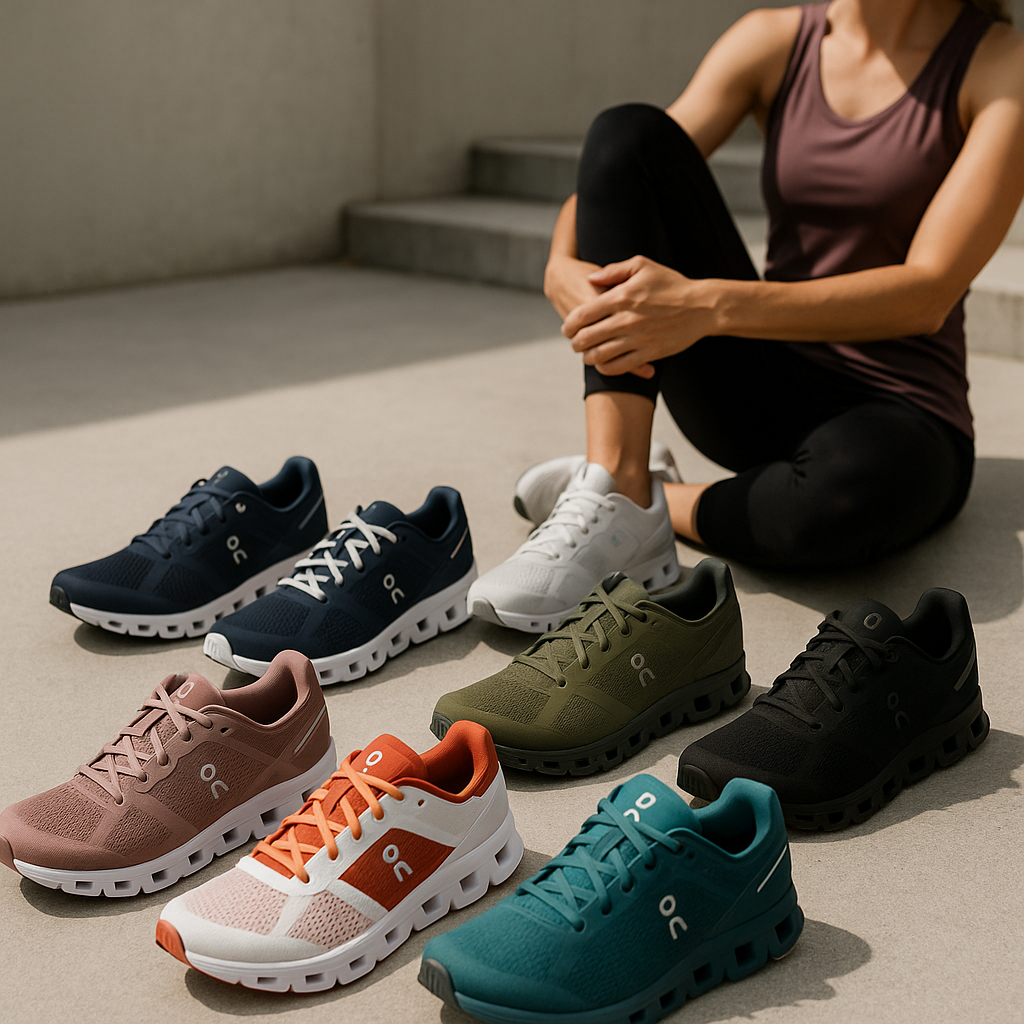
Choosing the Right On Running Shoe: 7 Top Models for Every Runner
Quick Summary
- On (the Swiss brand) offers a range from maximal-cushion recovery shoes to carbon-plated racers—pick by training role, not just looks.
- Seven standout On models meet different needs: two race-focused shoes (one geared to faster marathoners, one lighter for slower paces), plus daily trainers, stability and trail options.
- Fit, rotation, and matching a shoe to your weekly mileage and workouts matter more than chasing the newest model.
Introduction
On has established itself as a favorite for runners who want innovative cushioning and a lively ride. Between CloudTec cushioning, Speedboard plates and different foam stacks, the brand makes shoes aimed at specific uses: tempo runs, long runs, trail days and race day. Below are seven On shoes that cover most runners’ needs—from the speed-seeking marathoner to the weekend trail explorer—plus practical buying steps, a fit checklist, common mistakes and an FAQ to help you choose the right pair.
How we picked these seven On shoes
These selections focus on versatility and clarity of purpose. Each model represents a clear training role (race, trainer, long run, stability, trail, recovery). We considered ride feel, cushion level, weight, and how the shoe performs across paces so you can match a shoe to what you actually do on the road or trail.
The 7 best On Running shoes for different types of runners
1. On Cloudboom (race-day speed — built for faster marathoners)
Best for: Fast marathoners and road racers who want maximum energy return and responsiveness on race day. The Cloudboom family is On’s carbon-plated racing option—lightweight with a pronounced propulsion feel.
Why choose it: Designed to deliver top-end efficiency during sustained fast efforts. If you target PRs or sub‑4-hour marathon pace much faster than that, this shoe rewards leg speed.
Think twice if: You do most of your miles easy; a dedicated race shoe shouldn’t be your only trainer.
2. On Cloudflow (lightweight racer / tempo — friendly for 4-hour-plus marathoners)
Best for: Runners who want a lightweight, responsive shoe for tempo runs, shorter races and marathoners aiming for more conservative paces. The Cloudflow is nimble and versatile.
Why choose it: Lower weight and snappy ride make it a great do-it-all shoe for speedwork and easier race-day efforts. It’s a practical option if you need a race shoe that can double as a faster training shoe.
Extra help: If you have wider feet, check tips for accommodating big toes and width before buying: best running shoes for wide feet & big toes.
3. On Cloudstratus (high-mileage trainer / long runs)
Best for: High-mileage runners who want extra cushioning without losing midfoot responsiveness. The Cloudstratus often uses layered cushioning for long-day comfort and is a solid daily trainer for longer weeks.
Why choose it: Greater underfoot protection for marathon build-up, long steady runs and recovery days when you want more cushion but still some snap.
4. On Cloudmonster (max cushion & plush recovery)
Best for: Runners who prefer a very soft, protective ride for easy runs and recovery miles. The Cloudmonster is a maximal-cushion pick that smooths out rough roads.
Why choose it: If hard surfaces beat up your legs or you want an everyday shoe with plush comfort, this provides a different feel from On’s race-to-tempo models.
5. On Cloudflyer (stability and structure)
Best for: Runners who need extra support for mild overpronation or want a guided, secure ride for daily miles. Cloudflyer adds structure and a stable platform.
Why choose it: It’s an approachable stability shoe that works well as a daily trainer for runners who’ve been told to seek more support during gait analysis.
6. On Cloudventure (trail and light off-road)
Best for: Trail runners and mixed-surface adventurers who need grip, protection and a durable upper. The Cloudventure lineup focuses on trail-ready traction and stability off road.
Why choose it: For weekend trail miles, technical singletrack or muddy loops, this shoe protects while keeping a lively footprint.
7. On Cloudswift (urban daily trainer)
Best for: City runners who mix commuting, pavement miles and occasional tempo work. Cloudswift balances cushioning and responsiveness for everyday use.
Why choose it: It works well where you do a lot of stop-and-go, short bursts, and comfortable daily mileage. It’s a versatile, reliable trainer for urban running.
Practical steps to choose and buy the right On shoe
- Define your primary use: percent of weekly miles that are easy vs workouts vs long run vs trail.
- Get a quick gait check or run analysis at a specialty store—note pronation and foot shape.
- Try shoes later in the day with running socks and your orthotics (if you use them). Allow a thumb’s width of space in the toe box.
- Take a short test jog if possible—focus on comfort, heel-to-toe transition, and heel lockdown.
- Plan a rotation: aim for at least two pairs (trainer + race/trail) to extend lifespan and reduce injury risk.
- Break in progressively: use new shoes for short runs first before long efforts or race day.
Fit & purchase checklist
- Foot measurement: measure length and width, compare to brand sizing.
- Toe room: ~thumb’s width from longest toe to shoe tip.
- Heel lock: minimal slippage when braking or accelerating.
- Arch support: comfortable, not pinching.
- Try them with race socks plus any insoles/orthotics you use.
- Plan to replace every 300–500 miles, depending on runner weight and surface.
Common Mistakes runners make when choosing On shoes
- Buying a race-specific shoe (e.g., Cloudboom) and using it for all daily miles—shortens life and can increase injury risk.
- Ignoring width—many just pick size without trying on the widest part of the foot.
- Chasing the lightest shoe for everything; some sessions require cushion and protection instead.
- Not rotating shoes—running every mile in one pair removes benefits of alternating cushioning and stiffness.
- Skipping a test jog—some shoes feel great standing still but reveal fit issues when running.
Training notes and complementary tips
Match shoe choice to your workouts: use a responsive shoe (Cloudflow/Cloudboom) for tempo and race sessions, and a cushioned trainer (Cloudstratus/Cloudmonster/Cloudswift) for easy miles. Incorporate strength and plyometric drills to get the most from race shoes—see beginner-friendly plyometric guidance for runners here. Also consider fueling and macros if you’re adjusting training volume: planning macros helps with recovery and performance (planning your macros).
Conclusion
On makes shoes for distinct roles—pick the model that matches your primary training needs, then verify fit with a test run. Many runners benefit from two shoes in rotation: one responsive option for speed and one cushioned trainer for everyday miles. This strategy preserves the specialized characteristics of each model and helps you stay consistent and injury-free.
FAQ
Q1: Which On shoe is best for marathon race day?
A1: For faster marathoners seeking maximum propulsion, the Cloudboom (On’s carbon-plated racer) is built for race-day speed. For those preferring a lighter, more versatile racer at modest marathon paces, the Cloudflow can be a better fit.
Q2: Can I use an On Cloudboom for daily training?
A2: It’s not ideal. Race shoes like the Cloudboom are optimized for speed and efficiency and typically have a shorter usable life if used for daily high-mileage training. Keep a dedicated trainer for daily miles and reserve the Cloudboom for races and key workouts.
p>Q3: How do I know if I need a stability On shoe?
A3: If a gait analysis or recurring comfort issues suggest mild overpronation, a structured model like the Cloudflyer offers extra support. If unsure, get a professional shoe fitting or consult a physical therapist.
Q4: Are On shoes good for wide feet?
A4: Some On models run narrow; try them on or refer to resources for wide-foot options. The linked guide can help you choose suitable shoes and modifications: best running shoes for wide feet & big toes.
Q5: How should I rotate my On shoes?
A5: Use a lighter, responsive shoe for workouts and a more cushioned trainer for easy runs. Rotate them through your weekly plan so each pair cools down and returns to form, extending lifespan and reducing repetitive stress.













1 comment