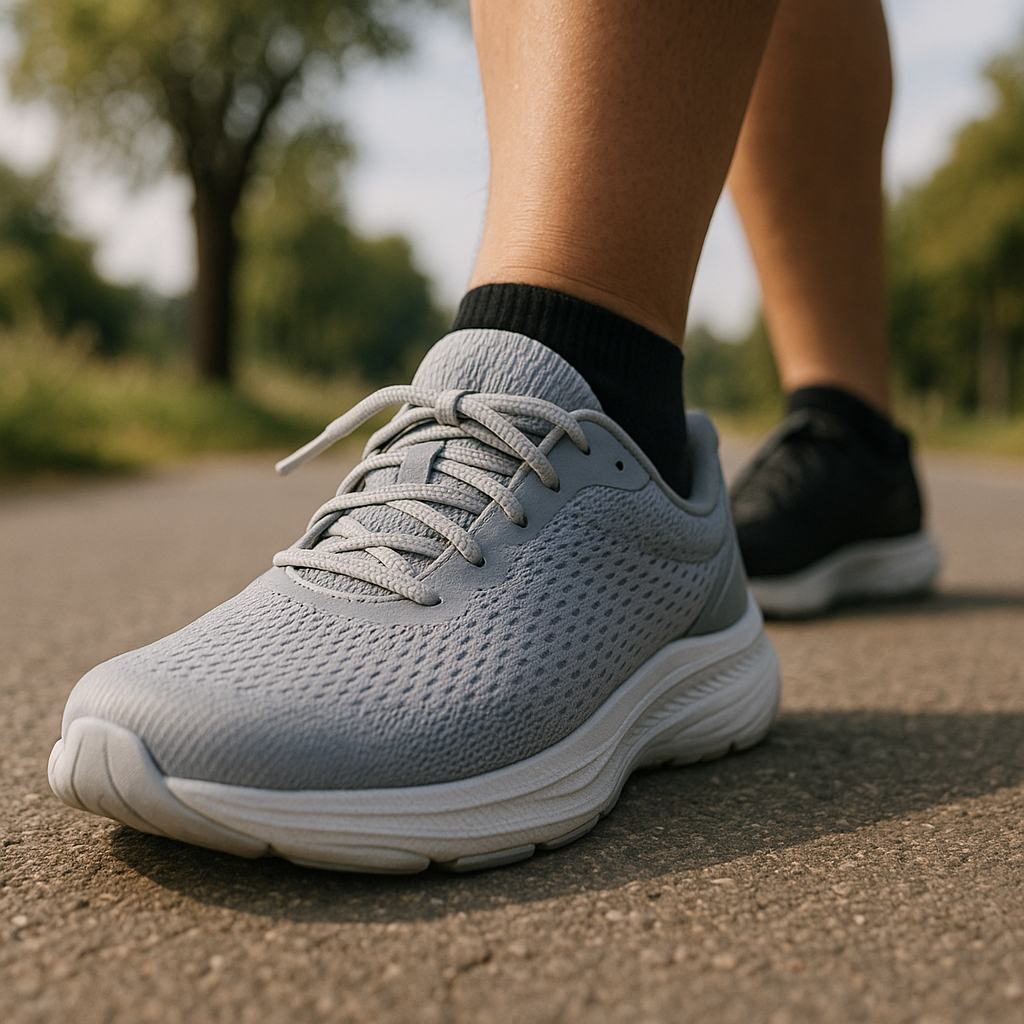
7 Best Running Shoes That Give Wide Feet and Big Toes Plenty of Space
Quick Summary
- Look for a roomy toe box, available wide widths, and a stable heel fit to avoid pinching and rubbing.
- Top picks include models from Altra, New Balance, Hoka, Brooks, Topo, Saucony, and ASICS — each offers a different balance of cushion and space.
- Measure feet late in the day, test run for at least 10–20 minutes, and consider trying a half-size up or a wide variant.
If your feet are wide or your toes need more space, squeezing into narrow running shoes isn’t just uncomfortable — it can cause blisters, black toenails, and lost training days. Below are seven well-regarded running shoes known for roomier toe boxes and accommodating fits, plus practical buying and fitting steps, a checklist, and common mistakes to avoid.
How we chose these shoes
Selections prioritize models with wider-toe-box designs, reliable wide-width offerings, or a generally foot-shaped last. We also considered cushioning levels, heel stability, and real-world user feedback for long runs and everyday training.
1. Altra Torin — Naturally spacious toe box
Why it’s good: Altra’s hallmark is a broad, foot-shaped toe box and a zero-drop platform that lets toes splay naturally. The Torin line pairs that shape with plush cushioning for road miles.
Best for: Runners who want a roomy forefoot plus soft underfoot feel. Ideal for neutral runners or those transitioning to a lower-drop shoe.
2. New Balance Fresh Foam 1080 — Wide options and soft ride
Why it’s good: New Balance consistently offers multiple width options (D to 4E) and a generous forefoot. The Fresh Foam midsole provides cushioned responsiveness for long runs.
Best for: People who need wide widths and a plush but responsive platform for daily training or long runs.
3. Hoka Bondi — Maximum cushion, forgiving forefoot
Why it’s good: Hoka’s Bondi line delivers maximal cushion combined with a relatively accommodating forefoot. The stacked foam eases pressure on toes during longer efforts.
Best for: Runners who prioritize shock absorption and want a forgiving toe area for long, steady miles.
4. Brooks Ghost or Glycerin — Reliable fit with room
Why it’s good: Both Brooks models offer a comfortably shaped toe box and stable heel. The Ghost is a versatile trainer; the Glycerin is plusher. Wide sizes are often available.
Best for: Everyday training, recovery runs, and runners who prefer a balanced, secure fit with decent room up front.
5. Topo Athletic — Foot-shaped last with forward toe space
Why it’s good: Topo designs emphasize natural toe splay with a tapered heel and roomy forefoot. They come in different cushion levels so you can pick what matches your preference.
Best for: Runners who want a roomy toe box without sacrificing a snug midfoot and secure heel.
6. Saucony Triumph — Plush cushioning and wide options
Why it’s good: The Triumph series blends soft PWRRUN+ cushioning with an upper that accommodates wider forefeet. Saucony offers wide variants in many regions.
Best for: Neutral runners seeking a soft, luxurious feel with extra forefoot room for longer sessions.
7. ASICS Gel-Nimbus (wide) — Structured cushion with space
Why it’s good: The Gel‑Nimbus combines structured cushioning and stability with wide-width versions that give more toe space. It’s a longtime favorite for distance runners who need comfort without a sloppy fit.
Best for: Mileage-heavy runners who want a supportive ride plus extra room in the front of the shoe.
How to choose the right roomy running shoe
Key fit and feature checklist
- Roomy toe box: toes should splay naturally and not touch the upper during push-off.
- Available wide sizes (2E, 4E, etc.) if you need them.
- Secure midfoot and heel: avoid shoes that are roomy everywhere — you want hold where needed and space where needed.
- Appropriate cushion level for your training (light, moderate, maximal).
- Breathable upper material to reduce friction and hotspots.
Practical steps to get the right fit
- Measure both feet late in the day — feet swell with activity; fit for your larger foot.
- Bring the socks you run in when trying shoes; thickness matters.
- Try shoes on and walk/jog in-store for 10–20 minutes if possible; feel for toe clearance and heel slippage.
- Test a half-size up if your toes feel cramped in your normal size, especially for longer runs.
- Consider custom insoles or orthotics only after you’ve found a roomy base shoe — they can change fit and volume.
Extra gear and training notes
Clothing and training choices can affect fit and comfort. For a snug, mobile layering option that won’t add pressure around the hips and legs, consider specialized running tights. For pacing and long-run planning, pair new shoes with conservative pacing to let your feet adapt — this guide on smarter long-run pacing can help: smarter long-run pacing. If you plan to use a run–walk approach while adjusting to new footwear, check this run–walk strategy resource: run–walk strategy.
Checklist before you buy
- Measure feet in the afternoon/evening.
- Try on shoes with running socks and insoles you use.
- Confirm at least 1–1.5 cm (thumb’s-width) space in front of longest toe.
- No major rubbing at seams or toe box while walking/jogging.
- Heel stays secure without slipping more than a couple of millimeters.
- Return/exchange window and retailer policy checked.
Common Mistakes to Avoid
- Buying shoes only based on length — width and toe box volume matter as much as size.
- Assuming brand X fits everyone the same; lasts vary by model and year.
- Focusing only on cushioning: a roomy shoe should still secure the midfoot and heel.
- Neglecting to test-run shoes — static fit doesn’t guarantee dynamic comfort.
- Using old insoles or orthotics without checking how they affect roominess and fit.
When to see a professional
If you have chronic foot pain, bunions, hammertoes, diabetes, or persistent hot spots, consult a podiatrist, physiotherapist, or a certified gait specialist. They can recommend medically appropriate footwear, orthotics, or exercises. For strength and power work that complements running form, consider adding targeted plyometrics safely; here’s a related resource on explosive work for runners: plyometrics for runners.
Conclusion
Wide feet and big toes don’t mean you have to sacrifice performance or cushioning. Choosing shoes with a roomy toe box, trying wide-width options, and focusing on a secure midfoot and heel will reduce discomfort and help you enjoy more miles. Start by measuring your feet, try models known for space (like Altra, Topo, New Balance, Hoka, Brooks, Saucony, and ASICS), and test-run before committing. Comfort pays off—less pain, fewer blisters, and more consistent training.
FAQ
- Q1: Should I size up if I have wide feet?
- A1: Sometimes a half-size up helps, but it’s better to try a wide-width option first. Going too large can cause heel slippage and instability.
- Q2: Are wide shoes the same as shoes with a roomy toe box?
- A2: Not always. “Wide” often increases overall shoe width, while a shoe with a roomy toe box specifically offers extra volume in the forefoot. Look for both if you need forefoot space without extra bulk elsewhere.
- Q3: Can running shoes be stretched to fit wide feet?
- A3: Some uppers can stretch over time, but stretching is limited and uneven. It’s better to choose shoes that fit your width from the start rather than rely on stretching.
- Q4: Do I need a special insole if I buy a roomy shoe?
- A4: Not necessarily. Standard insoles often maintain the shoe’s intended fit. If you use custom orthotics, bring them when trying shoes because they change volume and fit.
- Q5: How long should I test new shoes before deciding they’re right?
- A5: Try walking and jogging for 10–20 minutes in-store or on a short outdoor run. If possible, use the shoes for a few test runs (5–10 miles total) before committing to long races or long training blocks.
Part of the Complete Strength Training Guide
Explore more: Endurance & Running Training Hub














2 comments