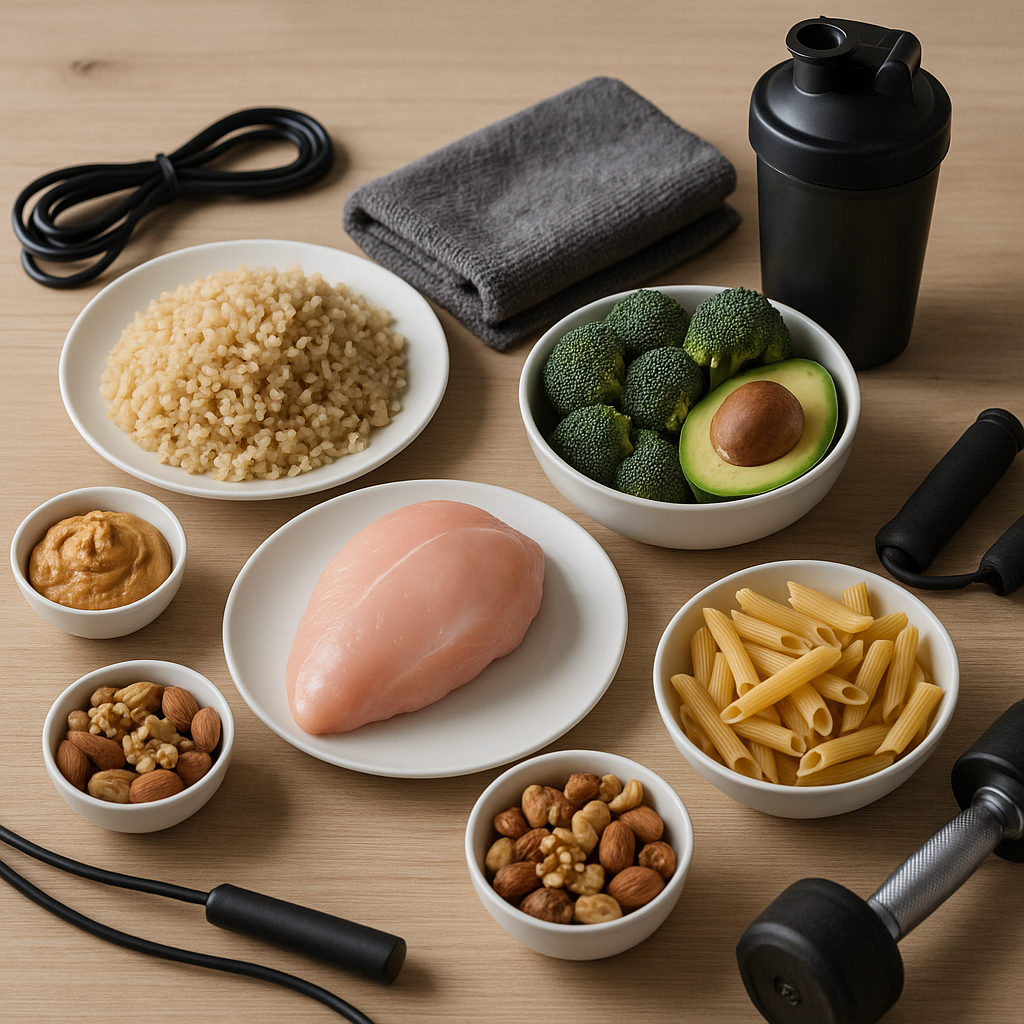
How to Plan Your Macros: A Practical Guide to Carbs, Protein, and Fats
Understanding your macronutrients—carbohydrate, protein, and fat—can make nutrition less confusing and more effective. Whether your goal is fat loss, muscle gain, better endurance, or simply healthier eating, setting sensible macros helps you fuel performance and recovery without guesswork.
Quick Summary
- Macros are grams of carbohydrate, protein, and fat; calories come from those macros.
- Start with calories based on your goals, then set protein, then allocate carbs and fats for energy and hormones.
- Typical ranges: protein 1.6–2.2 g/kg, fat 20–35% of calories, carbs fill the remainder—adjust by activity and preference.
- Track, test for 2–4 weeks, and adjust—don’t chase perfection; prioritize food quality and consistency.
What Are Macros and Why They Matter
Macronutrients are the three main energy-yielding components in food. Each has a role:
- Protein: builds and repairs muscle, supports immune and hormonal function. Each gram = 4 calories.
- Carbohydrate: primary fuel for high-intensity exercise and brain function. Each gram = 4 calories.
- Fat: essential for hormones, absorption of fat-soluble vitamins, and satiety. Each gram = 9 calories.
How to Set Your Macros: Step-by-Step
- Estimate your daily calories. Calculate a rough Total Daily Energy Expenditure (TDEE) using an online calculator or estimate from your weight, height, age, sex, and activity level. Choose a goal: maintenance, moderate deficit (~10–20% lower) for fat loss, or modest surplus (~5–10% higher) for lean muscle gain.
- Set protein first. Aim for 1.6–2.2 g/kg bodyweight (0.7–1.0 g/lb) for most people who train. Higher intake (up to ~2.4 g/kg) can help during aggressive calorie deficits or for older adults trying to preserve muscle.
- Set fat next. Keep dietary fat around 20–35% of total calories to support hormones and nutrient absorption. For a 2,000 kcal diet, 25% fat = ~56 g fat.
- Fill the rest with carbohydrates. Carbs = remaining calories ÷ 4 to get grams. More active people—especially endurance athletes—will need higher carbs to fuel training and recovery.
- Adjust for sport and personal preference. Runners and endurance athletes typically thrive on higher carbs; strength athletes may prioritize protein and moderate carbs. If you prefer higher-fat eating, shift carbs down, but keep protein adequate.
Example Calculations
Someone weighing 75 kg (165 lb) aiming to maintain on 2,500 kcal/day might set macros like:
- Protein: 1.8 g/kg = 135 g = 540 kcal
- Fat: 25% of 2,500 = 625 kcal ÷ 9 = ~69 g
- Carbs: remaining calories = 2,500 – (540 + 625) = 1,335 kcal ÷ 4 = ~334 g
Macro Targets by Goal
Fat loss
- Calories: 10–20% deficit from TDEE
- Protein: 1.8–2.4 g/kg to preserve lean mass
- Fat: 20–30% of calories
- Carbs: remaining calories—prioritize around training sessions
Muscle gain
- Calories: small surplus (5–10%)
- Protein: 1.6–2.2 g/kg
- Carbs: moderate to high to fuel progressive overload
- Fat: 20–30% of calories
Endurance athletes
Endurance training increases carbohydrate needs. Consider higher carbs around long or intense sessions. For detailed pacing and energy systems that influence nutrition timing, see articles on LT1/LT2 thresholds and smarter long-run pacing. If you include strength or power work, resources on plyometrics or running with a weighted vest can inform how to distribute carbs for performance.
Practical Steps to Track and Adjust
- Pick a tracking method: app, food diary, or plate method (protein + starch + veg + fat per meal).
- Track for 2–4 weeks while keeping training consistent—monitor weight, body composition (if possible), strength, and energy.
- If progress stalls: adjust calories by 5–10% first, then tweak macros (increase protein or carbs if energy is low; lower carbs or fat if weight loss stalls).
- Use meal timing strategically: prioritize carbs pre/post workouts for performance and recovery.
- Reassess every 4–8 weeks, especially when training intensity or life circumstances change.
Checklist: Setting Your Macros
- Calculate estimated TDEE and choose goal (maintenance, loss, gain)
- Set protein target (g/kg or g/lb)
- Decide fat percentage (20–35%)
- Fill remaining calories with carbs
- Track intake consistently for 2–4 weeks
- Monitor performance, hunger, and body changes; adjust as needed
Common Mistakes
- Focusing only on percentages, not calories—you can have a “good” macro ratio but eat too many or too few calories.
- Setting protein too low—protein protects lean mass and supports recovery.
- Ignoring food quality—whole foods, fiber, and micronutrients matter for health and satiety.
- Over-restricting carbs for endurance training—this can impair performance and recovery.
- Making big changes too often—give an approach at least 2–4 weeks to see real trends.
- Neglecting recovery tools—sleep, soft tissue work, and recovery aids matter; consider tools like massage guns for recovery when training load increases.
Practical Meal Examples
Here are three balanced meal templates to fit different macro needs:
- Higher-carb training meal: 1 cup oats + 1 scoop whey + banana + tbsp nut butter
- Moderate-carb strength meal: grilled chicken breast + sweet potato + mixed veg + olive oil
- Higher-fat lighter meal: salmon + large salad + avocado + quinoa (small portion)
When to Seek Professional Help
Work with a registered dietitian or sports nutritionist if you have medical conditions, disordered eating history, or competitive performance goals. They can provide individualized calorie needs, nutrient timing, and supplement guidance. This article is educational and not a substitute for professional medical or nutritional advice.
Conclusion
Macros are a flexible tool to align food with your goals. Start with calories, set protein to protect muscle, choose a reasonable fat percentage, and let carbs fill the rest based on activity. Track consistently, prioritize nutrient-dense foods, and make small adjustments based on real-world results. Over time, this systematic approach helps you feel better, train harder, and get closer to your goals.
FAQ
1. Are macros the same as calories?
No. Macros are grams of protein, carbs, and fat; calories measure energy, and each gram of a macro contains a set number of calories (protein and carbs = 4 kcal/g; fat = 9 kcal/g).
2. How accurate do I need to be when tracking macros?
Be reasonably accurate—use a scale for portions and a tracking app for a few weeks. Small daily variations are normal; focus on weekly trends rather than obsessing over exact grams every meal.
3. Can I gain muscle while losing fat on a macro plan?
It’s possible, especially for beginners or those returning from a break, with a moderate calorie approach, sufficient protein, and progressive resistance training. For experienced trainees, periods of focused bulking or cutting are usually more effective.
4. What macro split is best for runners?
Runners generally need higher carbohydrates for training and recovery. A typical starting point might be 50–65% carbs, 15–25% protein, and 20–30% fat—adjust by training intensity. See resources on thresholds and pacing (LT1/LT2 and long-run pacing) to align nutrition with training demands.
5. How long before I see results after changing macros?
Expect to see short-term changes in energy and digestion within days; meaningful changes in body weight or composition usually take 4–12 weeks depending on the size of calorie changes and training consistency. Track progress and be patient.
Part of the Complete Strength Training Guide
Explore more: Sports Nutrition & Supplementation














1 comment