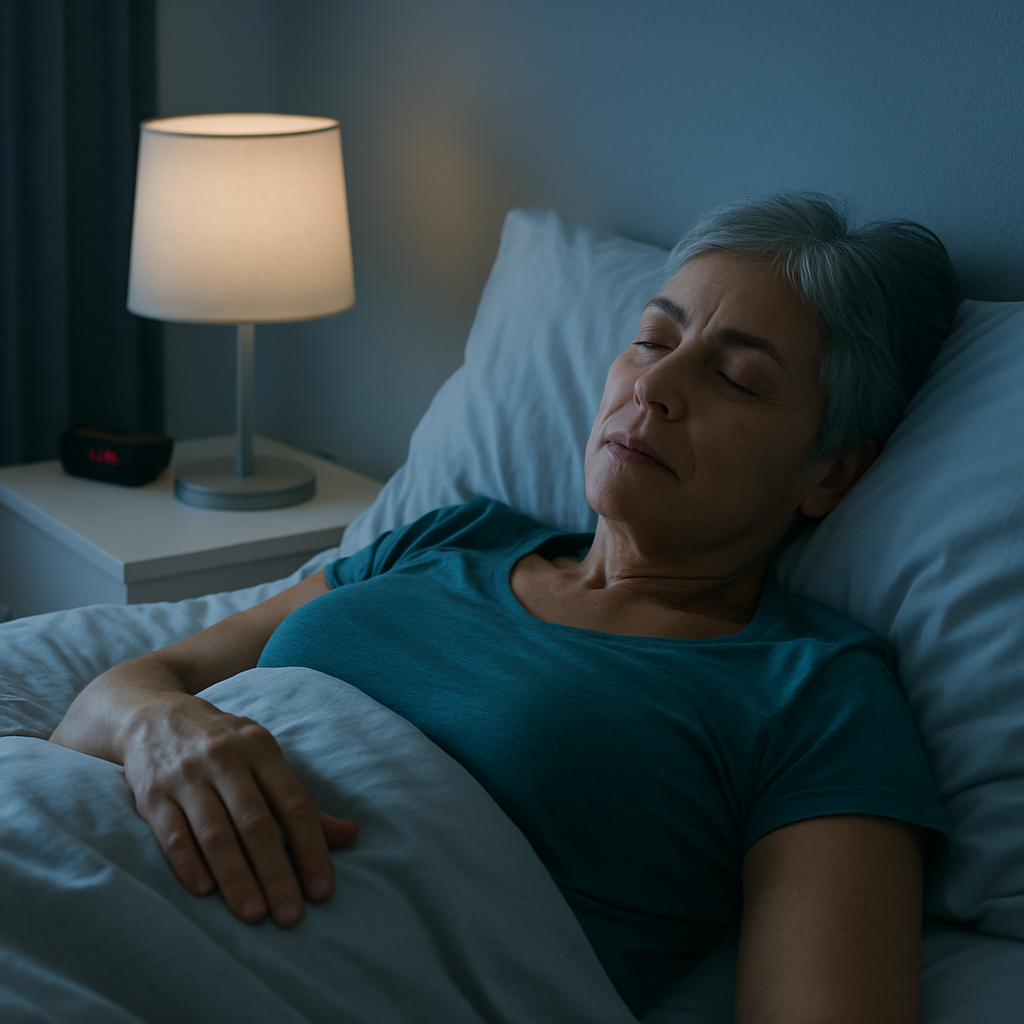
How a Cooler Bedroom — Around 75°F — May Ease Stress and Help Older Adults Sleep Better
Quick Summary
- Researchers have observed that sleeping in a cooler bedroom (around 75°F/24°C) can reduce nighttime stress responses in older adults and may lessen cardiovascular strain.
- Hot nights make the heart work harder and can interfere with restorative sleep stages, so small changes to bedroom temperature and environment can support recovery.
- Simple, practical adjustments — from bedding and fans to hydration and timing of evening meals — can help maintain a comfortable sleeping temperature without extreme cooling.
Introduction
As nights get warmer with the changing climate, older adults may experience more disrupted sleep and increased nighttime stress. Heat challenges the body’s ability to cool itself, which can raise heart rate and sympathetic activity when the body should be winding down. Emerging research suggests that a modestly cooler bedroom — commonly cited around 75°F (about 24°C) — can reduce stress responses and let the cardiovascular system rest more effectively during sleep. This article explains why temperature matters, how little adjustments can help, and practical steps you can take to improve sleep comfort and recovery.
Why bedroom temperature affects older sleepers
Thermoregulation and sleep
Falling asleep and reaching deep sleep stages rely on the body lowering its core temperature. Peripheral vasodilation (widening of blood vessels near the skin) helps heat escape. If the ambient temperature is too warm, that cooling process is hindered — your body struggles to dissipate heat, which can delay or fragment sleep.
Cardiovascular and stress effects
Hot sleeping environments are associated with higher heart rates and elevated stress responses overnight. When the body stays warmer, the autonomic nervous system shifts toward greater sympathetic activation (the “fight or flight” side), making the heart work harder. For older adults, who often have changes in cardiovascular resilience and in how their bodies regulate temperature, this can mean less restful sleep and a reduced opportunity for nighttime recovery.
What the finding about 75°F means
In studies of older participants, keeping nighttime temperatures at roughly 75°F corresponded with lower physiological stress markers and more efficient cardiac performance during sleep compared with hotter conditions. That doesn’t mean every adult must strictly aim for that exact number — individual comfort varies — but it highlights that modestly cooler nights can aid the body’s natural recovery processes.
Practical steps to create a cooler, sleep-friendly bedroom
- Set a realistic thermostat target: Try starting around 75°F (24°C) and adjust a degree up or down based on personal comfort. For many older adults this is cooler than a hot summer night but not uncomfortably cold.
- Use breathable bedding: Choose sheets and blankets made of natural fibers (cotton, bamboo, linen) that wick moisture and allow airflow. Avoid heavy duvets if nights are warm.
- Manage humidity: High humidity reduces the body’s ability to cool. A dehumidifier or air conditioning that lowers humidity can make the air feel significantly cooler without lowering temperature much.
- Improve airflow: Position a fan to circulate air in the room or create cross-ventilation when outdoor temperatures permit. Ceiling fans can make the room feel cooler even if the thermostat remains the same.
- Pre-cool before bed: Take a lukewarm shower an hour before sleep to help lower core temperature. Avoid very hot showers right before bed.
- Wear lightweight sleep clothing: Breathable, moisture-wicking PJs help; avoid heavy fabrics that trap heat.
- Timing of meals and exercise: Finish heavy meals at least 2–3 hours before bed and avoid late vigorous exercise, which can temporarily raise body temperature.
- Address windows and sunlight: Use blackout curtains or reflective blinds during the day to reduce heat gain.
Checklist: Quick bedroom temperature setup
- Thermostat set near 75°F (24°C) — adjust for comfort
- Lightweight, breathable bedding in place
- Fan or ceiling fan functioning and positioned for airflow
- Humidity controlled (dehumidifier or AC) if needed
- Lukewarm shower 30–60 minutes before bed option available
- Evening meals and heavy exercise finished earlier
- Windows shaded during the day
- Extra layers available if nights become unexpectedly cool
Special considerations for older adults
Older people can be more sensitive both to heat and to cold. While avoiding hot sleeping conditions is important, it’s also crucial not to overcool a bedroom to the point of chill or discomfort. Conditions such as peripheral vascular disease, diabetes, or certain medications can affect temperature perception and circulation. If there’s any concern about sensitivity to cold or cardiovascular issues, speak with a healthcare professional to choose a safe temperature range.
Common Mistakes
- Setting the thermostat too low: Trying to make the room as cold as possible can increase risk of discomfort or chills, especially for frailer adults.
- Ignoring humidity: High humidity undermines cooling efforts; lowering temperature alone may not help if air is muggy.
- Relying only on heavy AC all night: Continuous heavy air conditioning can dry air and be uncomfortable; combine with fans and breathable bedding.
- Keeping windows closed when outdoor nights are cool: Missing an opportunity for natural cooling can keep indoor temperatures elevated.
- Not considering medications or health conditions: Some drugs affect thermoregulation; always factor in personal medical circumstances.
When to consult a professional
If sleep problems persist despite adjusting bedroom temperature, or if there are symptoms like frequent nighttime chest discomfort, fainting, severe shortness of breath, or dramatic changes in daytime function, consult a healthcare provider. For tailored guidance on safe temperature ranges given specific health conditions or medications, your clinician can offer individualized recommendations.
Conclusion
Keeping your bedroom on the slightly cooler side — around 75°F (24°C) as a starting point — may help reduce nighttime stress responses and allow the heart and nervous system to relax more fully during sleep, especially for older adults. Simple environmental changes, thoughtful bedding choices, and attention to humidity and airflow can make hot nights more tolerable without extreme measures. As nocturnal temperatures rise in many regions, these practical adjustments can support better sleep quality and nighttime recovery.
FAQ
-
Q: Is 75°F the best temperature for everyone?
A: 75°F (24°C) is a general starting point suggested by observations in older adults; individual comfort varies. Adjust up or down slightly based on how you feel, and consider medical conditions or medications that affect temperature sensitivity.
-
Q: What if I don’t have air conditioning?
A: Use fans to improve airflow, keep windows open at night if outdoor air is cooler, shade windows during the day, and use breathable bedding. A dehumidifier can also make the air feel cooler in humid climates.
-
Q: Can lowering bedroom temperature prevent heart problems?
A: Cooler sleeping conditions can reduce nighttime cardiovascular strain, but they are not a standalone prevention or treatment for heart disease. Use temperature adjustments as part of broader healthy sleep and lifestyle practices and follow medical advice for heart conditions.
-
Q: How does humidity affect sleep temperature?
A: High humidity reduces the body’s ability to evaporate sweat, making it harder to cool down. Controlling humidity often makes the room feel much more comfortable even if the thermostat isn’t set very low.
-
Q: Are there any risks to cooling the bedroom for older adults?
A: Overcooling can cause discomfort or chilling, particularly in frail individuals or those with circulation issues. Aim for a moderate target like 75°F and keep lightweight extra blankets on hand. If unsure, consult a healthcare professional for personalized guidance.
Part of the Complete Strength Training Guide
Explore more: Endurance & Running Training Hub














1 comment