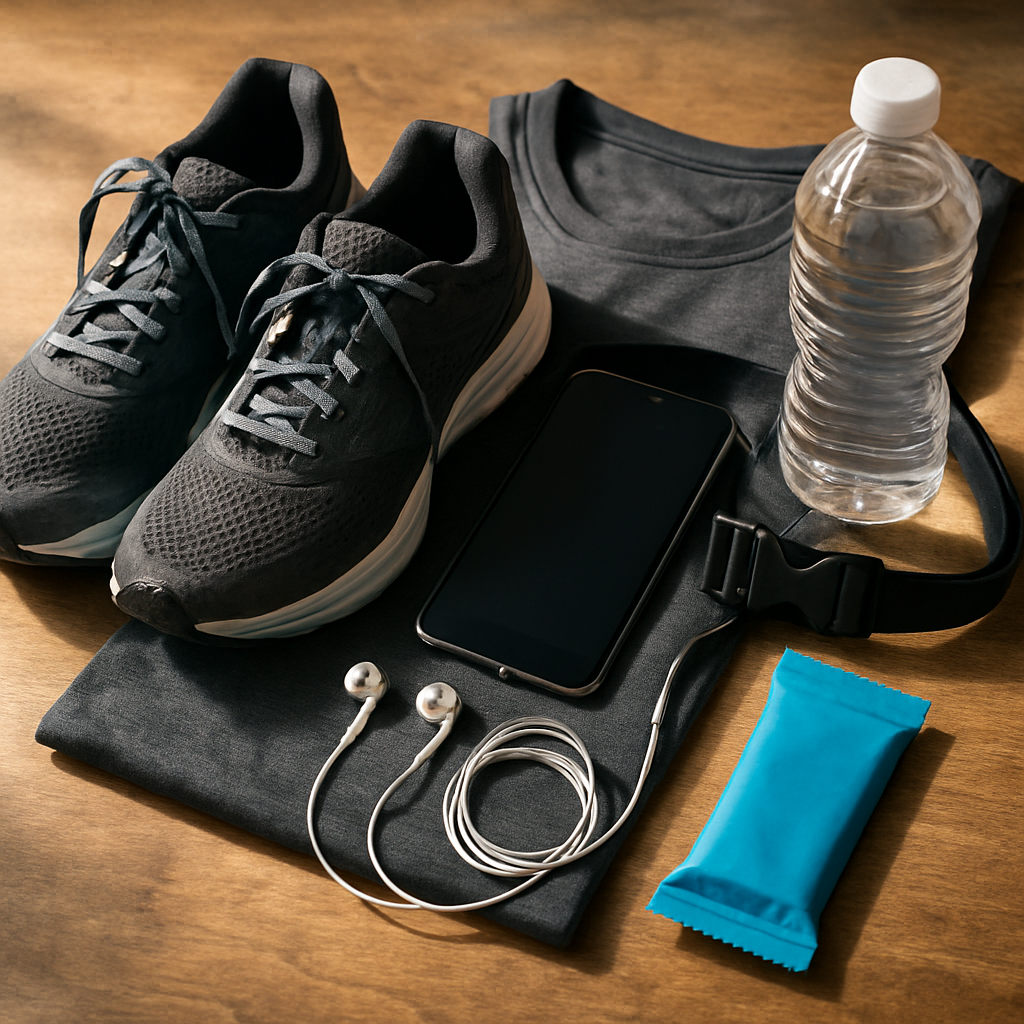
Your Custom Running Toolkit: A Step-by-Step Plan for Better Runs Every Time
Quick Summary
- Personalize gear, warm-up, fueling, and recovery to match your goals and body.
- Follow a short pre-run checklist and a simple step-by-step routine to get consistent gains.
- Combine strength work, smart fueling, and sleep to reduce injury risk and boost performance.
Introduction
You don’t need a complete overhaul to run better—just the right tools and a plan tailored to you. This guide builds a personalized running toolkit that covers gear, pre-run routines, fueling, training tweaks, and recovery. Use it to make your next run more efficient, comfortable, and enjoyable. If you have specific health concerns or injuries, consult a healthcare or running professional before changing your routine.
Why a Personalized Toolkit Matters
Generic advice can help, but personalization accelerates progress and reduces setbacks. Your body, goals, schedule, and preferences determine the best shoes, warm-up, fuel, and training load. A toolkit aligned with those factors helps you train smarter and run with more confidence.
Start with a Short Assessment
Key questions to answer
- What’s your primary goal? (e.g., fitness, 5K race, injury-free miles)
- How many days a week can you reliably run and cross-train?
- Do you have recurring pains or past injuries?
- What conditions do you run in (heat, cold, trails, roads)?
Write brief answers—this 5-minute check will steer your choices for gear, sessions, and recovery.
Gear Essentials: Less Is More
Shoes
Pick a shoe that fits your gait, comfort preferences, and weekly volume. Visit a specialty running store for fitting or use an online gait analysis if in-person help isn’t possible. Rotate two pairs if you run often; it extends lifetime and offers slight variability in loading.
Clothing & Tech
- Moisture-wicking layers for most conditions; a lightweight windbreaker for cold or wet runs.
- A simple GPS watch or phone app to track pace and distance if that motivates you.
- Reflective gear and headlamp for early morning or night runs.
Warm-Up and Mobility
A 6–12 minute routine prepares your nervous system and muscles for effort and cuts injury risk. Combine light aerobic work with dynamic mobility:
- 2–4 minutes easy jog or brisk walk
- Leg swings, walking lunges, and hip circles (6–8 reps each)
- Strides: 4 × 60–80 m at 70–85% effort for faster sessions
Fueling & Hydration
Fuel depends on duration and intensity. For runs under 60 minutes, a small snack 30–60 minutes before (banana, toast, or a small yogurt) is often enough. For longer or intense runs, consume 30–60 grams of carbs per hour during exercise and rehydrate afterward.
Post-run nutrition matters: aim for a mix of carbs and protein within 60–90 minutes to restore glycogen and support recovery—see practical tips in this post-run nutrition guide: Post-Run Nutrition: Slip Fix.
Consider whole-food options like a blueberry-and-oats bowl—blueberries offer antioxidants and gut-friendly compounds that support recovery and general health: wild blueberries benefits.
Training: Smarter, Not Harder
Match session types to your goal. Balance easy runs, one quality session (intervals, tempo, or hill work), and a long run for endurance. If you want measurable improvement, add two short strength sessions per week focused on multi-joint moves—squats, deadlifts, lunges, and push patterns—to build resilience and speed: Strength training for race PRs.
Recovery & Immune Support
Recovery is where adaptations happen. Prioritize sleep, easy days, foam rolling, and targeted mobility. Nutrition, stress management, and sleep all affect immune function and the ability to train consistently—learn simple preparation and recovery tactics here: Race-ready immunity.
Mental Prep & Focus
Small mental tools—visualization, breath control, and pre-run rituals—can improve performance and enjoyment. If you want to explore body awareness and focus techniques, see approaches that help you tune into your movement and sensations: alpha waves and body ownership.
Practical Step-by-Step Plan (Easy to Follow)
- Assess: Answer the key questions in “Start with a Short Assessment.”
- Gear check: Confirm shoe fit and grab reflective gear if needed.
- Plan the week: 3–5 runs, 1 strength session (or 2 short ones), 1 long run or long cross-training session.
- Before each run: 6–12 minute warm-up and mobility routine plus a small snack if needed.
- During long runs: practice hydration and fueling to find what sits well with you.
- After each hard run: refuel with carbs + protein and prioritize sleep the night after.
- Weekly review: note how you felt, any niggles, and progress toward the goal.
Checklist: Your Running Toolkit
- Comfortable, correctly sized running shoes (consider second pair)
- Weather-appropriate clothing and reflective items
- Pre-run warm-up plan (written or saved on your device)
- Snack options for pre-run and during-run fuel (gels, bars, fruit)
- Post-run recovery plan: snack, hydration, sleep target
- Two weekly strength sessions or strength-focused cross-training
- One person (coach, friend, or clinician) to check technique or injuries if needed
Common Mistakes
- Skipping warm-ups: jumping into intensity increases injury risk and reduces quality.
- Over-relying on gadgets: pace data is helpful, but don’t ignore perceived effort or pain signals.
- Fueling experiments on race day: practice fueling during long runs to avoid GI surprises.
- Neglecting strength: weak hips or glutes often show up as recurring shin, knee, or back issues.
- Ignoring sleep and stress: these blunt gains and increase illness risk—address them like training sessions.
Conclusion
Building a personalized running toolkit is about consistent, small improvements: the right shoe, a brief warm-up, targeted fueling, strength work, and recovery habits. Use the assessment, practical steps, and checklist above to make each run better than the last. If pain, medical conditions, or persistent fatigue are an issue, seek guidance from a medical professional or certified coach to tailor the plan safely.
FAQ
1. How often should I replace running shoes?
Replace shoes after roughly 300–500 miles (480–800 km), depending on your weight, running surface, and shoe type. Signs of wear include reduced cushioning, uneven tread, or new aches that start after runs.
2. What’s the ideal pre-run snack?
A small, carb-focused snack 30–60 minutes before a run often works best—examples: a banana, a slice of toast with honey, or a small yogurt. Test timing and portions to see what feels best for you.
3. How long should my warm-up be?
Typically 6–12 minutes: a few minutes of easy aerobic work, then dynamic mobility and a few short strides before higher-intensity efforts.
4. Can strength training really improve my running?
Yes. Two short sessions per week focused on functional, compound movements builds strength and durability, helping performance and reducing injury risk. You can read more about structuring strength work for running goals here: Strength training for race PRs.
5. What should I do if I feel a niggle or persistent pain?
If a niggle lingers beyond a few days or worsens with activity, stop the offending motion, reduce load, and consult a medical professional or physiotherapist. Early evaluation prevents small issues from becoming bigger problems.
Part of the Complete Strength Training Guide
Explore more: Endurance & Running Training Hub














1 comment