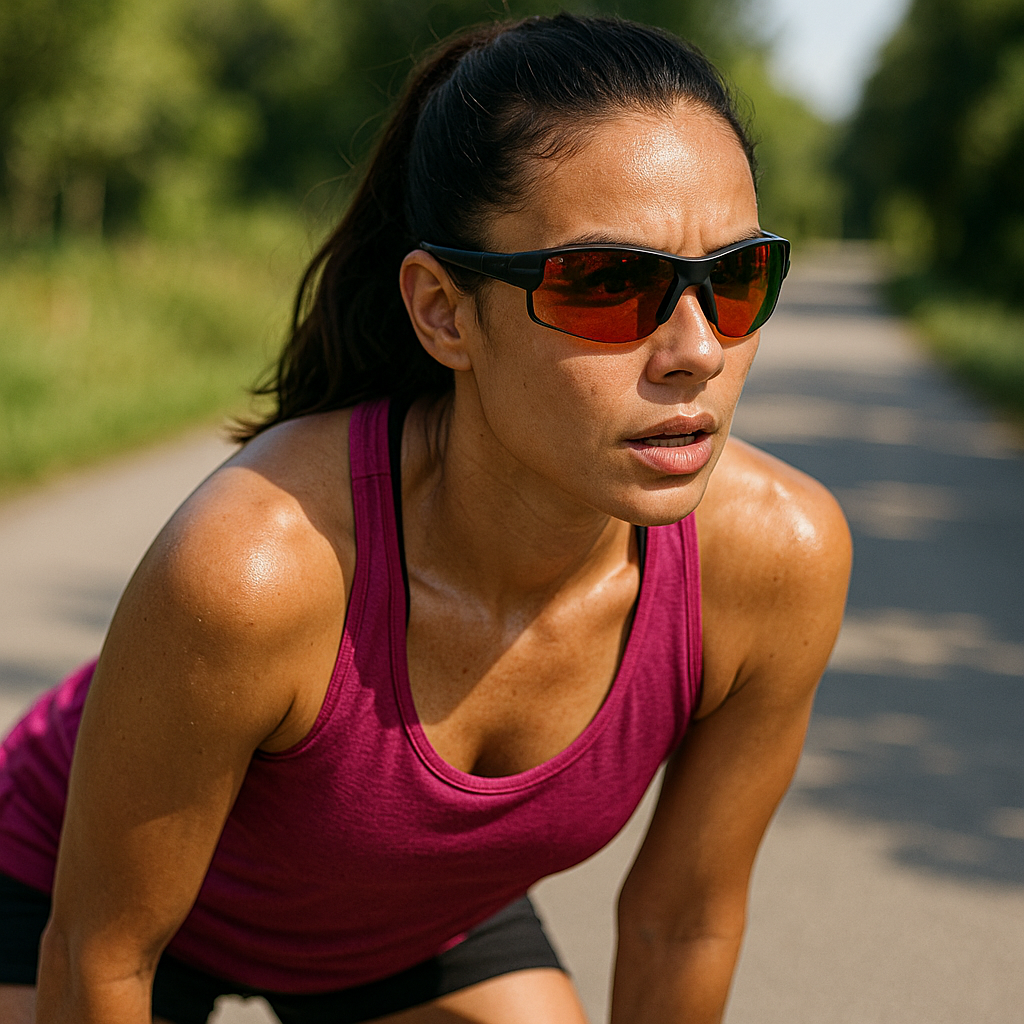
Top 15 Running Sunglasses for Comfort, Fit, and Eye Protection
Choosing the right pair of running sunglasses can improve comfort, reduce eye fatigue, and protect your vision from UV rays, wind, and debris. We tested these models on varied routes and conditions for several weeks to assess fit, clarity, ventilation, and durability. Below are the 15 we recommend for road runners, trail runners, and anyone who logs serious miles outdoors.
Quick Summary
- Pick sunglasses that balance fit, lens technology (polarized/tinted/clear), and ventilation to avoid fogging.
- Wrap and lightweight frames stay secure at high speeds; adjustable noses and temple grips improve comfort for long runs.
- Lens interchangeability or photochromic options add versatility across bright and low-light runs.
How we tested
We wore each model for multiple runs ranging from short tempo efforts to long easy runs and hill repeats. Tests included bright sunlight, partly cloudy days, and gusty conditions to evaluate glare reduction, fogging, and stability. We also assessed scratch resistance, weight, and how each model handled sweat and salt buildup over time.
Top 15 Running Sunglasses (tested and recommended)
1. Oakley Radar EV Path
Why we like them: Excellent peripheral vision with a high-wrap design and multiple lens options for different light conditions. The Unobtainium nose and ear pads increase grip as you sweat.
Best for: Performance-oriented runners who want a secure, race-ready fit.
2. Smith PivLock V2
Why we like them: Interchangeable lens system and anti-fog coatings make these versatile from dawn runs to bright afternoons.
Best for: Runners who want one frame with many lens choices.
3. Goodr OGs
Why we like them: Lightweight, affordable, and fun colorways with no-slip grips—great for daily training.
Best for: Budget-conscious runners who want style and function.
4. Tifosi Tyrant 2.0
Why we like them: Robust wraparound coverage and ventilated lenses minimize fogging. Good value for the features.
Best for: Trail runners needing extra coverage from branches and wind.
5. Julbo Aero
Why we like them: Ultra-lightweight and designed specifically for endurance running. Photochromic lens option adapts to changing light.
Best for: Ultra runners and long daylight runs with varying conditions.
6. Roka Phantom
Why we like them: Extremely low-profile design with excellent lens clarity and a secure fit that’s comfortable for long sessions.
Best for: Serious road racers and time-trialists.
7. Nike Vaporwing
Why we like them: Aerodynamic styling, comfortable nose bridge, and lenses that cut bright glare.
Best for: Speed workouts and race day.
8. Oakley Flak 2.0 XL
Why we like them: Bigger lens for improved coverage; interchangeable lenses and a stable fit make them a solid all-rounder.
Best for: Versatile use across running, cycling, and outdoor cross-training.
9. Bolle Bolt
Why we like them: Excellent ventilation and anti-fog coatings; snug fit without pressure points.
Best for: Humid conditions where fogging is a concern.
10. Spy Optic Discord
Why we like them: Lighter-weight frame with a secure, cushioned nose piece and polarized options for glare reduction.
Best for: Sunny coastal runs where glare off pavement or water is an issue.
11. Tifosi Davos (photochromic)
Why we like them: More affordable photochromic option that adjusts to light; good ventilation and stability.
Best for: Runners who transition between shaded trails and open roads.
12. 100% S3
Why we like them: Sport-specific design with great lens clarity and a wrap that blocks peripheral sun and wind.
Best for: Fast efforts and sprint repeats.
13. Costa Del Mar Brine
Why we like them: Polarized lenses with excellent color contrast—heavier than some sport frames but very durable.
Best for: Coastal runs and bright, reflective environments.
14. Bolle Dusk (photochromic)
Why we like them: Sturdy frame, great for early morning or late evening runs with changing light thanks to reactive lenses.
Best for: Runners who start before sunrise or finish at dusk.
15. Native Eyewear Bison
Why we like them: Tough, flexible frames and large lenses for protection against debris and wind; comfortable for long days outdoors.
Best for: Trail runners and hikers who want robust protection.
How to choose running sunglasses
Lens type and light conditions
Consider polarized lenses for reducing glare on bright days; photochromic lenses are useful when you encounter changing light (clouds, tree cover). Clear or lightly tinted lenses are best for low-light or nighttime running.
Fit and stability
Look for wrap frames, adjustable nose pieces, and rubberized temple grips. A secure but not tight fit prevents slipping without creating pressure points over long runs.
Ventilation and anti-fog features
Ventilated lenses, hydrophobic coatings, and frames that sit slightly off the face help airflow and reduce fogging especially during hard efforts or humid conditions.
Durability and weight
Polycarbonate lenses and flexible nylon or Grilamid frames offer a good balance of lightness and impact resistance.
Practical steps for fitting and caring for your running sunglasses
- Try them on with your typical running cap or hat to check temple clearance and overall fit.
- Run at least 15–20 minutes with them on different terrains to ensure they stay put and don’t create hot spots.
- Clean lenses with a microfiber cloth and mild soap—avoid abrasive materials and household cleaners that damage coatings.
- Store sunglasses in a hard case to prevent scratches when not in use.
- Replace lenses/frames if you notice cracks, deep scratches, or a loss of anti-fog/anti-scratch coatings.
Quick care checklist
- Check fit before each run
- Wipe lenses after salty or sweaty runs
- Use a case for transport
- Rotate lenses for different conditions if the model supports it
Common Mistakes
- Choosing sunglasses solely for brand or style without testing fit and comfort over a run.
- Using dark-tinted lenses in low-light conditions, which can reduce contrast and increase fall risk.
- Ignoring ventilation—models that sit too close to the face often fog during high-effort segments.
- Assuming polarized is always best—polarized lenses can make LCD screens harder to read and sometimes reduce contrast in shaded trail sections.
- Not replacing worn-out nose pads or temple grips; tiny shifts in fit can cause sliding and chafing.
Additional considerations
If you run year-round, consider pairing your sunglasses choices with specific seasonal gear—cold-weather runners may also want wind-blocking accessories and lens options that resist fog in low temperatures (see our cold-weather running gear guide for related kit and tips: Cold-Weather Running Gear).
Also, many runners pair sunglasses with in-ear audio. If you like listening to music or coaching cues, check out workout-focused headphone deals and features to ensure safe awareness of your surroundings: Workout Headphones.
Conclusion
The best running sunglasses for you depend on where and when you run, how much you sweat, and what level of protection you need from glare and debris. The models above performed well in our multi-week tests for fit, clarity, and stability. Prioritize a secure fit, good ventilation, and an appropriate lens for your typical light conditions. Try before you buy when possible, and replace worn components to keep your sunglasses performing at their best.
FAQ
Q: Are polarized lenses safe for running?
A: Yes—polarized lenses reduce glare from reflective surfaces and can be helpful on bright days. However, they may slightly reduce contrast in shaded trails and can make some screens harder to view.
Q: Do I need photochromic lenses for running?
A: Photochromic lenses are convenient if you frequently move between sunny and shaded areas during long runs. They eliminate the need to carry multiple lenses but may react slowly in rapid light changes.
Q: How do I prevent sunglasses from fogging during intense workouts?
A: Choose frames with ventilation, anti-fog coatings, or a slight face clearance. Keeping lenses clean and ensuring a secure fit that allows airflow helps reduce fogging.
Q: Can I wear prescription lenses for running?
A: Many sport frames accept prescription inserts or offer prescription lens options. Consult an optician to choose the right solution for your vision and activity needs.
Q: How often should I replace my running sunglasses?
A: Replace them when lenses are deeply scratched, coatings fail, or the frame no longer maintains a secure fit. Proper care extends life, but most active runners find a high-quality pair lasts several years.
Part of the Complete Strength Training Guide
Explore more: Endurance & Running Training Hub













Post Comment