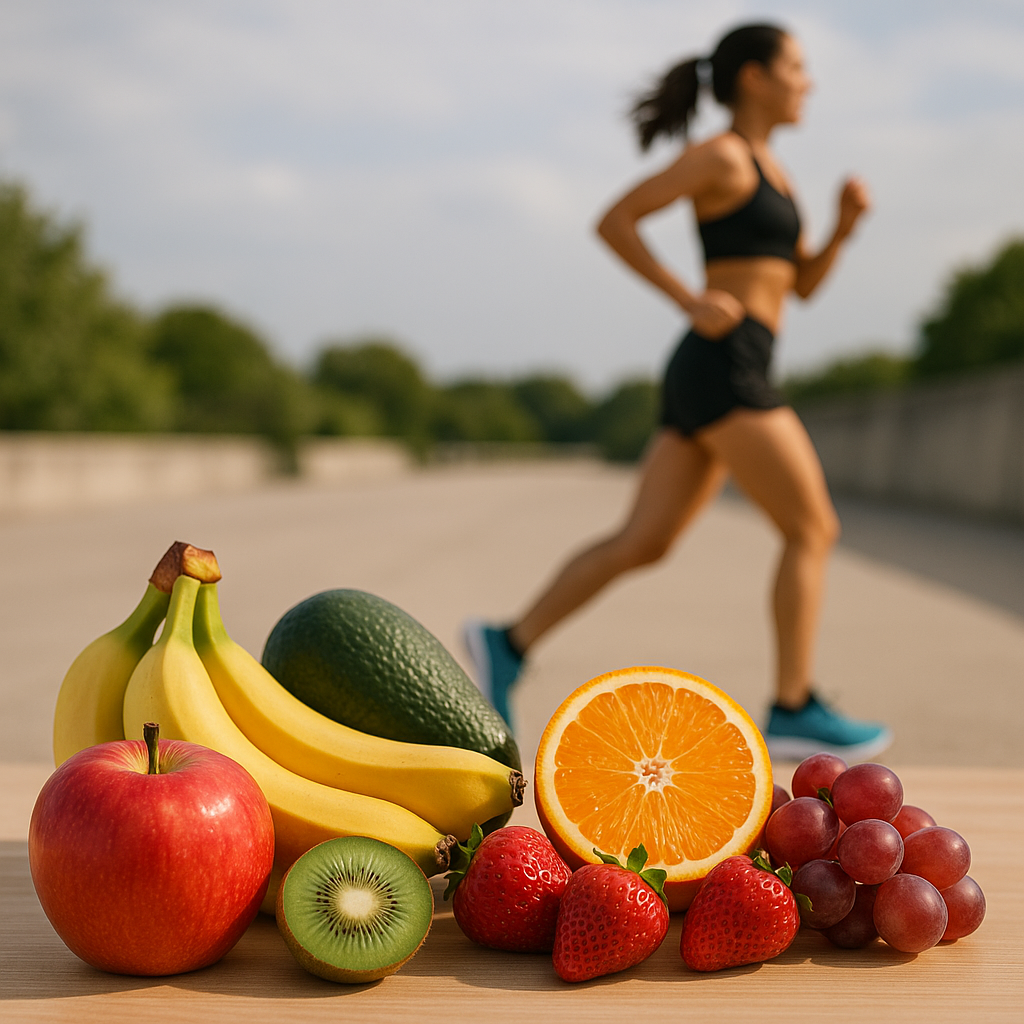
7 Fruits Runners Should Eat to Improve Performance and Recovery
Quick Summary
- Fruits supply fast carbohydrates, electrolytes (like potassium), and antioxidants that support energy, recovery, and reduced inflammation.
- Bananas, berries, tart cherries, oranges, pomegranate, watermelon, and dates each offer distinct benefits for runners.
- Use fruit strategically: some are best as pre-run fuel, others for post-run recovery or hydration.
- Combine fruit with protein and whole grains for balanced recovery and to avoid GI issues during runs.
Introduction
For runners, food isn’t just about calorie counting — it’s about timing, nutrients, and how different foods influence energy, inflammation, hydration, and muscle repair. Whole fruits deliver quick carbohydrates for fuel, electrolytes for muscle function, and a range of antioxidants and phytochemicals that help blunt exercise-induced oxidative stress. Below are seven fruits worth incorporating into a running-focused eating plan, plus practical tips, a checklist, common mistakes to avoid, and answers to common questions.
Why fruits matter for runners
Fruits are easy to digest (when chosen carefully), portable, and require minimal preparation. They provide:
- Fast-burning carbs for pre-run energy or during long runs.
- Electrolytes such as potassium and magnesium to help prevent cramps and support recovery.
- Vitamins and antioxidants that reduce inflammation and support immune function.
Fruits won’t replace balanced meals or targeted sports products in every situation, but they’re versatile tools in a runner’s nutrition toolbox. For example, compare fruit-based fueling to concentrated carbohydrate options like energy gels to choose what works for your stomach and race plan: runner favorite energy gels.
7 top fruits for running performance
1. Bananas — the classic runner’s snack
Why: Bananas are high in digestible carbohydrates and potassium, which helps regulate fluid balance and muscle function. They’re portable and easy on the stomach.
How to use: Eat a medium banana 30–60 minutes before a run for quick energy, or pair half a banana with nut butter post-run for recovery.
2. Berries (blueberries, strawberries, blackberries)
Why: Berries are rich in anthocyanins and other polyphenols that may reduce inflammation and support recovery. They’re also a good source of vitamin C and hydrating water.
How to use: Add berries to yogurt or oatmeal after runs, blend into smoothies with a scoop of protein, or eat a small bowl as a topping on pancakes or toast.
Note: The polyphenols in berries are linked to cognitive benefits and vascular health — useful for training focus and recovery; for more on plant flavanols and brain health see this related piece: bitter flavanols brain boost.
3. Tart cherries (or tart cherry juice)
Why: Tart cherries contain potent antioxidants and have been shown in some studies to reduce muscle soreness and improve recovery after strenuous exercise.
How to use: Try tart cherry juice or concentrate in the 24–48 hours after a long run or race, or have a small serving of fresh/frozen tart cherries as part of your recovery snack.
4. Oranges and other citrus
Why: Citrus fruits supply vitamin C to support immune function and connective tissue repair, plus fluid and quick carbs for energy.
How to use: Eat an orange after a run to rehydrate and top up carbs, or add orange slices to salads for recovery meals. Fresh-squeezed juice can help before long efforts if tolerated.
5. Pomegranate
Why: Pomegranate seeds and juice are high in polyphenols and nitrates-like compounds that may support blood flow, reduce oxidative stress, and improve recovery when consumed regularly.
How to use: Sprinkle seeds on yogurt or salads, or sip a small glass of pomegranate juice post-run. Be mindful of portions — juice is calorie-dense.
6. Watermelon
Why: Watermelon is >90% water and contains the amino acid citrulline, which can support blood flow and reduce muscle soreness. It’s excellent for rehydration and light refueling in hot conditions.
How to use: Eat cubes or sip blended watermelon after hot runs to restore fluids and provide quick carbs. Combine with a pinch of salt if you sweat heavily.
7. Dates (and other dried fruits)
Why: Dates are calorie-dense and high in simple sugars, making them an effective, natural energy source during long runs or races. They also contain potassium and some micronutrients.
How to use: Pack 1–2 dates for long runs as a chewable, portable carbohydrate option. Experiment in training to check tolerance. Dried apricots and figs are similar alternatives.
When to eat which fruit
- Pre-run (30–60 minutes): Banana, small handful of dates, or a half cup of watermelon if you need light fuel and hydration.
- During long runs: Dates or small pieces of banana can work if you prefer whole foods, but test tolerance versus concentrated fuels like gels.
- Post-run (within 30–60 minutes): Berries, tart cherries, oranges, or pomegranate paired with a protein source to aid recovery.
Practical steps to add fruit to your running nutrition
- Plan pre-run snacks: carry portable fruits like bananas or dates for shorter runs and long training days.
- Combine fruit with protein after hard sessions — e.g., berries plus Greek yogurt or a smoothie with protein powder.
- Test fruit options during easy training runs before race day to learn what your gut tolerates.
- Use whole fruits for general training; save concentrated carbs (gels, chews) for races or when quick, measured carbohydrate dosing is needed: runner favorite energy gels.
- Include hydration-focused fruits (watermelon, orange) on hot training days and consider electrolyte replacement after very sweaty sessions.
- Adjust portions during base-training and build phases to match mileage and recovery needs: see marathon training context for pacing and nutrition planning: marathon base training duration.
Checklist: Fruit-fueled running essentials
- Packable fruit options (bananas, dates, small containers of berries)
- Post-run protein source (yogurt, milk, protein powder, nut butter)
- Hydration plan — water + electrolytes if needed
- Pre-run test runs to confirm tolerance
- Backup fuels (gels/chews) for races or when quick carbs are needed
Common Mistakes
- Eating high-fiber fruit immediately before intense runs — can cause GI distress. Opt for lower-fiber choices or smaller portions if you’re sensitive.
- Relying only on fruit for recovery — fruit supplies carbs and some nutrients, but coupling with protein accelerates muscle repair.
- Not testing fruit on training runs — race-day surprises often come from unfamiliar foods.
- Overlooking portion sizes — fruit contains natural sugars; too much at once can spike blood sugar and cause stomach upset.
- Ignoring seasonal availability — frozen fruit is a good substitute if fresh isn’t available.
Conclusion
Fruits are affordable, portable, and nutrient-dense tools for runners. Incorporate a variety — bananas for potassium, berries for antioxidants, cherries for recovery, watermelon for hydration, and dates for concentrated energy — and pair them with proteins and hydration strategies to get the most benefit. Practice fueling and recovery strategies during training so you know what works for your body on race day. If you have persistent digestive or medical concerns, consult a registered dietitian or healthcare professional before making major changes to your nutrition plan.
FAQ
Q: Can I eat fruit during a long run instead of energy gels?
A: Yes — some runners tolerate whole fruits like dates or banana pieces during long runs. They provide real-food carbs and electrolytes, but they’re bulkier and may be harder to portion precisely compared with gels. Test in training before relying on them in a race.
Q: How much fruit should a runner eat each day?
A: There’s no one-size-fits-all amount. Aim for a variety across the day as part of your calorie and nutrient targets: 2–4 servings of fruit is common for many active adults, but athletes with higher energy needs may require more carb-rich servings around training sessions. Focus on timing around workouts too.
Q: Are dried fruits a good substitute for fresh fruit?
A: Dried fruits like dates, figs, and raisins are calorie-dense and portable, making them useful for long runs. They lack the water content of fresh fruit, so remember to drink fluids alongside them. Also watch portion sizes — dried fruit is concentrated sugar.
Q: Should I eat fruit before bed after an evening run?
A: A small fruit serving paired with protein (e.g., banana with nut butter or yogurt with berries) can be a convenient post-evening recovery snack. If you have blood sugar sensitivity or sleep issues, monitor how late-night carbohydrates affect you and adjust accordingly.
Q: Do any fruits help with muscle soreness?
A: Some evidence suggests tart cherries and antioxidant-rich berries may reduce muscle soreness and inflammation when consumed regularly around intense training. They aren’t a guaranteed cure, but they can be one part of a broader recovery strategy that includes sleep, hydration, and protein.
Part of the Complete Strength Training Guide
Explore more: Sports Nutrition & Supplementation













2 comments