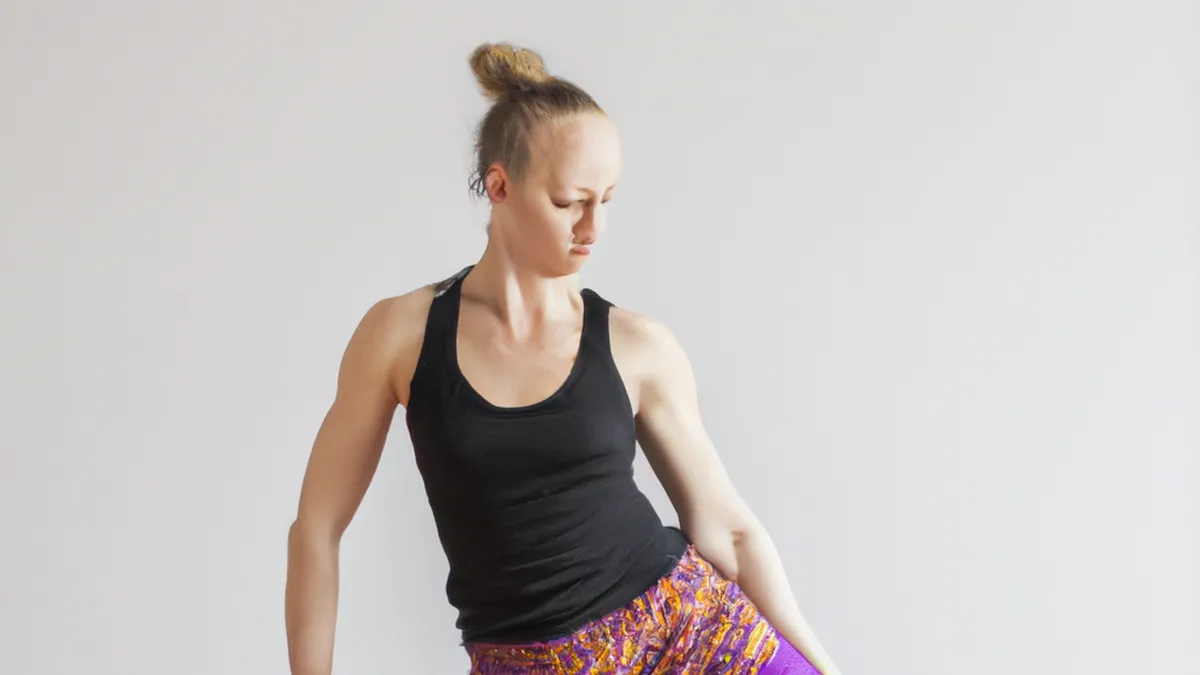
Yoga Poses for a Stronger Back
Flexibility Routines for Back HealthA healthy back supports overall well-being. A flexible spine lowers injury risk and relieves pain. Incorporate flexibility routines into your daily life to enhance back health. This post explores tips and benefits of flexibility routines for back health.
Understanding Back Health
Understanding back health is crucial before starting flexibility routines. The spine contains vertebrae, discs, and muscles. When these elements misalign, discomfort occurs. Poor posture, prolonged sitting, and inactivity cause back stiffness. Flexibility plays a vital role in maintaining spine strength.
Essential Flexibility Exercises
As an Amazon Associate I earn from qualifying purchases.
Gear tip: consider yoga mat, yoga bolster, and pilates ring to support this topic.
Flexibility exercises improve your range of motion and reduce back tension. Try these effective routines:
Cat-Cow Stretch
This dynamic stretch enhances spinal flexibility. Begin on your hands and knees. Inhale deeply, arch your back, and lift your head (Cat). Exhale, round your spine, and tuck your chin (Cow). Repeat for 5 to 10 cycles.
Child’s Pose
Child’s Pose relaxes the back. Kneel on the floor and sit back on your heels. Extend your arms forward and lower your torso. Hold for 30 seconds and breathe deeply.
Seated Forward Bend
This stretch targets hamstrings and lower back. Sit with your legs extended. Inhale, reach your arms overhead, and exhale as you hinge at your hips to reach your feet. Hold for 15 to 30 seconds to relieve lower back tension.
Figure Four Stretch
This stretch benefits hips and lower back. Lie on your back, crossing one ankle over the opposite knee. Pull the uncrossed leg toward your chest. Hold for 20 to 30 seconds, then switch sides. This routine releases hip tightness affecting the back.
Tips for Incorporating Flexibility Routines
To maximize flexibility exercise benefits, focus on consistency. Use these practical tips to integrate routines into your life:1. **Set a Schedule**: Dedicate specific daily times for flexibility exercises. Morning or evening works best.2. **Start Slowly**: Ease into flexibility training if you’re new. Gradually increase stretch duration and intensity.3. **Listen to Your Body**: Observe how your body feels during each stretch. Avoid pushing through pain; focus on gentle movements.4. **Combine with Strength Training**: Pair flexibility routines with strength exercises for better back support. This balance enhances stability.5. **Stay Hydrated**: Maintain muscle elasticity by drinking enough water throughout the day.
Creating a Routine
Create a 15 to 20-minute routine combining the stretches mentioned above. Aim for at least three sessions weekly. Keep a journal to track progress and stay motivated.
Benefits of Flexibility Routines
Incorporating flexibility routines into your wellness plan offers many benefits:1. **Reduced Risk of Injury**: Flexible muscles and joints lower strains and sprains risk, especially during physical activities.2. **Improved Posture**: Regular stretching corrects muscle imbalances, enhancing posture and reducing spine stress.3. **Enhanced Mobility**: Flexibility exercises increase range of motion, making daily activities easier and more enjoyable.4. **Pain Relief**: Stretching alleviates chronic back pain by increasing blood flow and reducing tension.5. **Stress Reduction**: Flexibility routines provide mental breaks, promoting relaxation and mindfulness.6. **Better Sleep**: A flexible body often results in improved sleep quality. Stretching before bed relaxes muscles and eases tension.
Conclusion
Flexibility routines are essential for a healthy back. They improve range of motion, lower injury risk, and enhance well-being. Incorporate stretches like Cat-Cow and Child’s Pose into your daily routine for numerous benefits. Stay consistent, listen to your body, and adjust as needed. Your back will thank you!
Below are related products based on this post:
FAQ
Why is back health important?
A healthy back supports overall well-being and is crucial for daily activities. It helps maintain proper posture and reduces the risk of injuries related to back strain. A flexible spine can also alleviate discomfort and enhance mobility.
What are some effective flexibility exercises for back health?
Effective flexibility exercises include the Cat-Cow Stretch, Child’s Pose, Seated Forward Bend, and Figure Four Stretch. Each of these stretches targets different areas of the back and hips, promoting flexibility and reducing tension. Incorporating these into your routine can lead to significant improvements in back health.
How can I incorporate flexibility routines into my daily life?
To incorporate flexibility routines, set a specific schedule for daily exercises and start slowly to avoid injury. Listen to your body during stretches and combine flexibility routines with strength training for optimal benefits. Maintaining hydration is also essential for muscle elasticity.
Part of the Complete Strength Training Guide
Explore more: Recovery, Mobility & Injury Prevention














Post Comment