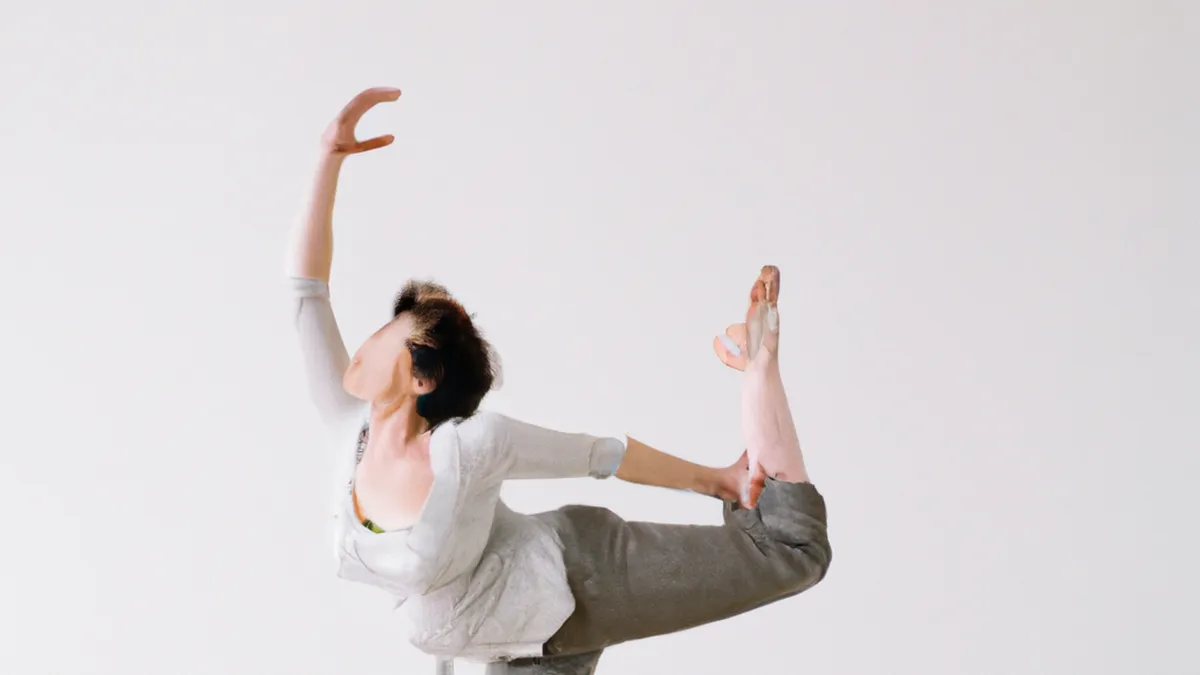
Breathe, Stretch, Dance: Flexibility Essentials
Flexibility Routines for DancersDancers need flexibility to enhance their artistic expression and performance. Flexibility increases the range of motion, allowing easy execution of intricate movements. It also prevents injuries. A consistent flexibility routine enhances a dancer’s abilities over time. This blog explores effective flexibility routines designed for dancers.
Importance of Flexibility for Dancers
Flexibility is essential for dancers. A flexible dancer can perform a wider variety of movements, from high kicks to deep lunges. Flexibility enables dynamic shapes and lines, captivating audiences and enhancing performances. It also helps dancers transition smoothly between movements, creating a seamless flow.Flexibility plays a crucial role in preventing injuries. Tight muscles lead to strains and tears. Dancers can maintain a healthy body by incorporating flexibility routines, improving muscle elasticity, and reducing injury risk. This is vital in a physically demanding field.
Effective Flexibility Routines
As an Amazon Associate I earn from qualifying purchases.
Gear tip: consider stretching strap, yoga blocks, and mobility sliders to support this topic.
Dancers can use several effective flexibility routines in their training. Each routine targets different muscle groups and movement patterns for a well-rounded approach.
Dynamic Stretching
Dynamic stretching warms up the body before a dance class or rehearsal. It prepares muscles for activity and increases heart rate. Try these dynamic stretches:- **Leg Swings:** Stand on one leg and swing the other leg forward and backward. Complete 10 swings on each leg, increasing the range gradually.- **Arm Circles:** Extend your arms to the sides and make small circles. Gradually increase the circle size. Do this for 30 seconds, switching direction halfway.- **Hip Openers:** Step forward into a lunge position. Rotate your hips outward and hold for a few seconds before switching legs. Perform 5 lunges on each leg.
Static Stretching
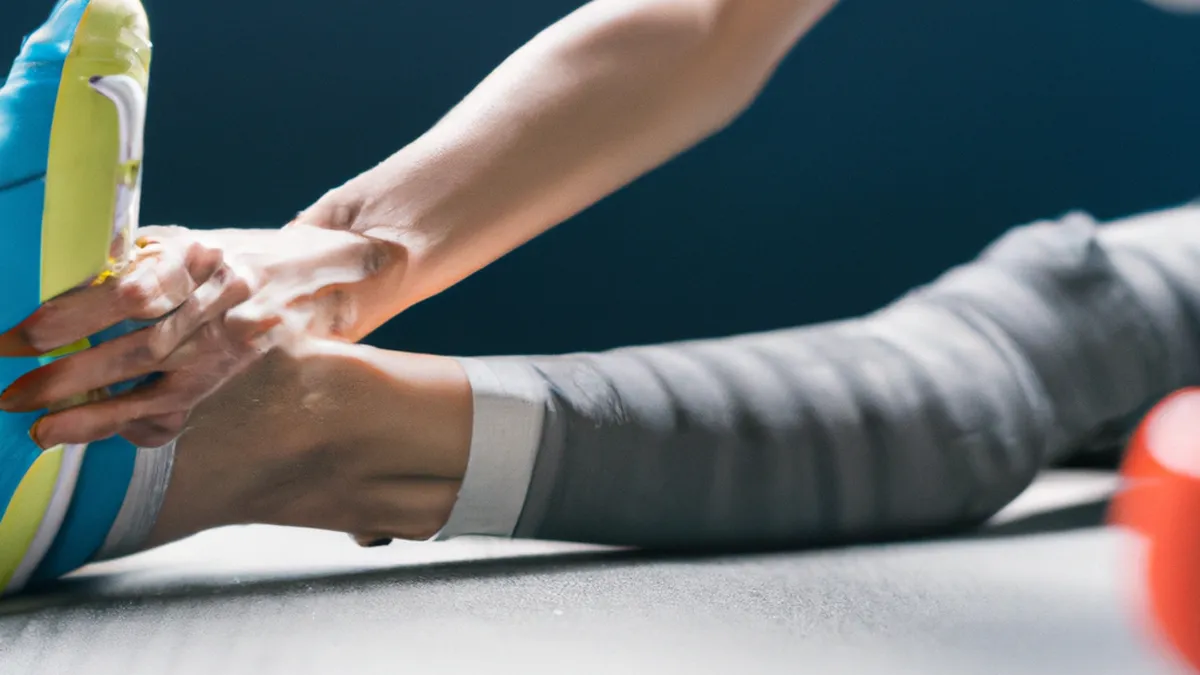
Static stretching helps lengthen muscles and improve flexibility after a dance class. Here are effective static stretches:- **Hamstring Stretch:** Sit on the floor with one leg extended and the other bent. Reach toward your extended leg’s toes while keeping your back straight. Hold for 20-30 seconds on each side.
Conclusion
Flexibility routines enhance dancers’ performance and prevent injuries. Incorporate these routines for better artistic expression and overall capabilities.
Below are related products based on this post:
FAQ
Why is flexibility important for dancers?
Flexibility is crucial for dancers as it allows them to perform a wider variety of movements, enhancing their artistic expression. It also helps in creating dynamic shapes and lines, captivating audiences and improving overall performances.
What are some effective flexibility routines for dancers?
Effective flexibility routines for dancers include dynamic stretching and static stretching. Dynamic stretches, such as leg swings and arm circles, prepare the body for activity, while static stretches, like the hamstring stretch, help lengthen muscles and improve flexibility after practice.
How does flexibility help prevent injuries in dancers?
Flexibility helps prevent injuries by improving muscle elasticity and reducing the risk of strains and tears. By incorporating flexibility routines, dancers can maintain a healthy body, which is essential in the physically demanding field of dance.
Part of the Complete Strength Training Guide
Explore more: Recovery, Mobility & Injury Prevention













Post Comment