Contribute to Trail Conservation Efforts
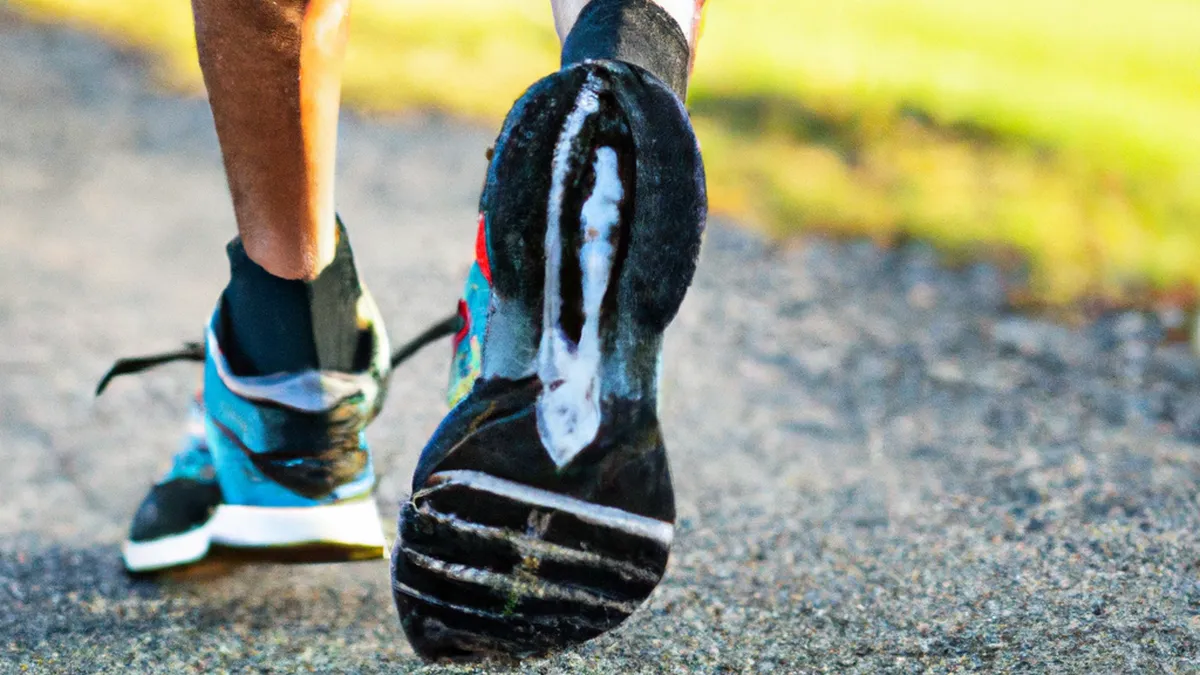
Sustainable Practices for Trail RunnersTrail running lets you explore nature, test your limits, and connect with the outdoors. Winding paths, tall trees, and stunning views attract many enthusiasts. However, trail running’s growing popularity poses environmental challenges that threaten cherished landscapes. As responsible trail runners, we can enjoy adventures while protecting fragile ecosystems. By adopting sustainable practices, we can keep trails pristine for future generations. Here are practical tips for sustainable running.
Choose Eco-Friendly Gear
Start sustainability with your gear. Choose running shoes made from recycled materials or eco-friendly components. Many brands now offer high-performing, sustainable options. Select durable shoes to reduce replacements and minimize waste.For clothing, pick apparel made from organic or recycled fabrics. These materials often provide better comfort and breathability. Support brands that prioritize sustainability and ethical production. Research companies’ environmental commitments and select those that align with your values.
Avoid Single-Use Plastics
Plastic pollution poses a major environmental challenge. Single-use plastics, like water bottles and snack wrappers, contribute to this crisis. As a trail runner, carry a reusable water bottle on every run. This action reduces plastic waste and encourages others to follow suit.For snacks, choose bulk items or those with compostable packaging. Pack energy bars or trail mix in reusable containers. This practice helps reduce waste and provides nutritious options during your runs.
Follow Leave No Trace Principles
Understand and follow Leave No Trace principles for responsible recreation. Familiarize yourself with the seven principles before your run, and incorporate them into your routine.**Plan Ahead and Prepare:** Know your trails and any specific regulations. This helps prevent damage to sensitive areas.**Stick to Established Trails:** Running off-trail can harm vegetation and wildlife. Always stay on marked paths to minimize environmental impact.**Pack Out What You Pack In:** Carry a small trash bag to collect waste generated during your run. Leave the trail cleaner than you found it for everyone’s benefit.**Respect Wildlife:** Maintain a safe distance from wildlife and avoid loud noises.
Conclusion
As an Amazon Associate I earn from qualifying purchases.
Gear tip: consider running shoes, compression sleeves, and compression socks to support this topic.
In summary, sustainable practices enhance your trail running experience while protecting the environment. Embrace these tips for a positive impact.
Below are related products based on this post:
FAQ
What are eco-friendly gear options for trail runners?
Trail runners should consider gear made from recycled materials or eco-friendly components. Many brands offer high-performing, sustainable shoes and apparel made from organic or recycled fabrics, which not only reduce environmental impact but also enhance comfort and breathability.
How can I reduce plastic waste while trail running?
To minimize plastic waste, always carry a reusable water bottle on your runs. Additionally, opt for snacks that come in bulk or compostable packaging, and use reusable containers for items like energy bars or trail mix.
What are Leave No Trace principles and why are they important?
Leave No Trace principles guide responsible outdoor recreation to protect the environment. These principles encourage runners to plan ahead, stick to established trails, pack out waste, and respect wildlife, ensuring that trails remain pristine for future generations.
Part of the Complete Strength Training Guide
Explore more: Endurance & Running Training Hub














Post Comment