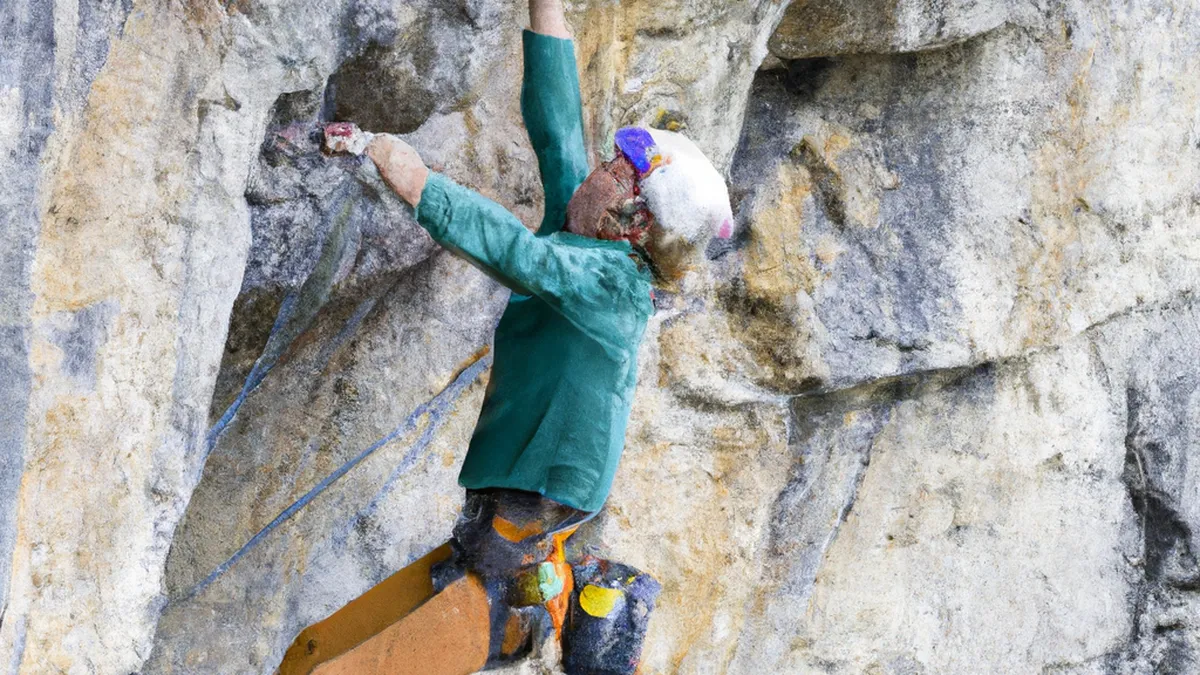
Technique Transitions for Outdoor Climbers (Climbing)
Transitioning Between Climbing Styles: A Comprehensive GuideClimbing is a diverse sport with various styles, each offering unique challenges. Transitioning between these styles enhances your skills and broadens your climbing experience. Whether you shift from bouldering to sport climbing, traditional climbing, or alpine environments, understanding each style’s nuances is essential. This guide offers tips and advice for a smooth, enriching transition.
Understanding Different Climbing Styles
Climbing styles categorize into several types, each with specific techniques, equipment, and environments.
Bouldering
Bouldering focuses on short, powerful routes without ropes. Climbers use crash pads and spotters to minimize falls. This style emphasizes dynamic movements, problem-solving skills, and mental focus.
Sport Climbing
Sport climbing involves ascending longer routes with fixed anchors like bolts. Climbers tackle extended sequences of moves, emphasizing endurance and route-reading skills. This style often occurs in crag settings, challenging climbers on vertical and overhanging walls.
Trad Climbing
Traditional climbing requires climbers to place their own gear for protection. This style emphasizes climbing technique and rock quality assessment. Climbers must trust their gear placements, adding psychological challenges.
Alpine Climbing
Alpine climbing combines traditional techniques with high-altitude challenges. It includes various styles, such as rock, ice, and mixed climbing. Climbers must prepare for rapid weather changes, technical routes, and varying terrain.
Tips for a Smooth Transition
As an Amazon Associate I earn from qualifying purchases.
Gear tip: consider climbing shoes, chalk bag, and belay device to support this topic.
1. Start with the Basics
Review fundamentals before starting a new style. Familiarize yourself with specific gear and techniques. For trad climbing, practice placing gear on easier routes. Understanding the basics builds confidence and skills.
2. Gradual Progression
Transition slowly by starting with easier routes. Build confidence and adapt your skills gradually. If shifting from bouldering to sport climbing, begin with lower-grade routes. This approach allows you to focus on clipping techniques and rope management.
3. Focus on Technique
Different styles require unique techniques. In sport climbing, learn efficient rope management and clipping. In trad climbing, practice footwork and balance while placing gear. Emphasizing correct techniques improves performance and eases transitions.
Conclusion
In summary, transitioning between climbing styles enhances skills and broadens experiences. Understanding each style’s nuances ensures a smooth journey.
Below are related products based on this post:
FAQ
What are the different climbing styles?
Climbing styles include bouldering, sport climbing, traditional (trad) climbing, and alpine climbing. Each style has specific techniques, equipment, and unique challenges that climbers must navigate. Understanding these differences is essential for effective transitioning between styles.
How can I start transitioning between climbing styles?
To begin transitioning, it’s important to start with the basics by reviewing fundamental techniques and familiarizing yourself with the necessary gear. Gradual progression is key, so begin with easier routes to build confidence and adapt your skills before tackling more challenging climbs.
What techniques should I focus on when changing climbing styles?
When transitioning, focus on the unique techniques required for each style. For sport climbing, learn efficient rope management and clipping techniques, while in trad climbing, practice your footwork and balance when placing gear. Emphasizing these techniques will improve your performance and ease your transition.
Part of the Complete Strength Training Guide
Explore more: Complete Strength Training Guide














Post Comment