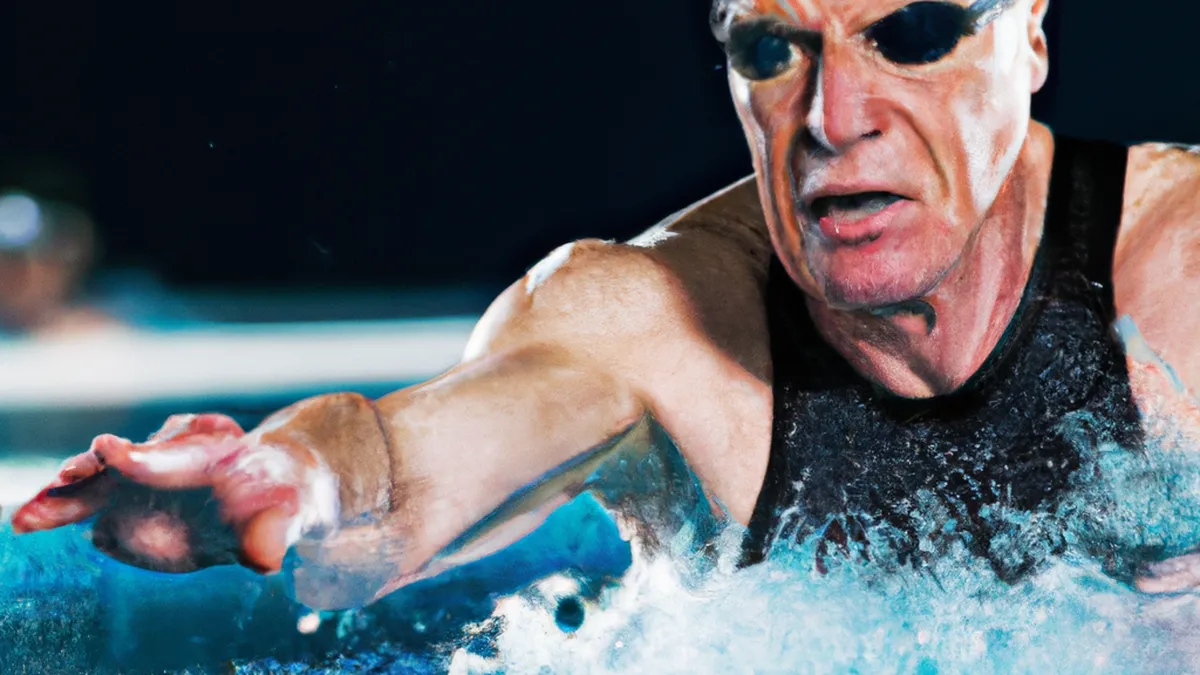
Mastering Endurance for Long-Distance Finswimmers (Zone 2)
Endurance Workouts for Long-Distance FinswimmersLong-distance finswimming demands speed, technique, and endurance. Swimmers must develop a strong aerobic base to excel. This blog post explores effective endurance workouts for finswimmers. Beginners and experienced swimmers can use these tips to improve performance.
Types of Endurance Workouts
Swimmers should focus on various workouts to build endurance. Each type serves a unique purpose and develops different endurance aspects.
Steady-State Swims
Steady-state swims form the foundation of endurance training. These workouts maintain a consistent pace over long distances. Aim for durations of 30 to 60 minutes. Start comfortably, then gradually increase your distance.For example, if you swim 2,000 meters, increase to 2,500 meters over several sessions. This gradual increase builds aerobic capacity and improves efficiency.
Interval Training
Interval training effectively improves endurance. This workout incorporates short bursts of high-intensity swimming followed by rest. For instance, swim 100 meters quickly, then rest for 30 seconds. Repeat this cycle for 10 to 15 sets.Interval training develops both aerobic and anaerobic endurance. It also helps swimmers handle race-day pressure better. Include interval training in your routine.
Long Swims
Long swims are essential for developing specific endurance in long-distance finswimming. Choose a challenging, manageable distance. Aim for swims ranging from 3,000 to 5,000 meters.Complete these swims at a moderate pace. Focus on maintaining proper technique throughout. Long swims improve stamina and help adapt to long races.
Tips for Effective Endurance Workouts
As an Amazon Associate I earn from qualifying purchases.
Gear tip: consider swim goggles, swim cap, and kickboard to support this topic.
Maximize endurance workout benefits with these tips. They will enhance your training sessions.
Set Clear Goals
Establish clear goals before starting your training program. Decide what you want to achieve and set a timeline. For example, aim to complete a specific distance or improve your time. Setting goals keeps you motivated and focused.
Monitor Your Progress
Tracking workouts is crucial for measuring progress. Keep a training log to record distances, times, and feelings. This helps you identify patterns and make necessary adjustments. Celebrate small achievements along the way.
Listen to Your Body
Endurance training can tax your body. Pay attention to how you feel during workouts. If you experience pain or excessive fatigue, adjust your schedule. Recovery is as important as training. Allow adequate rest between workouts to avoid burnout.
Benefits of Endurance Training for Finswimmers
Endurance workouts offer numerous benefits for long-distance finswimmers. These advantages extend beyond swimming performance.
Improved Aerobic Capacity
One primary benefit of endurance training is improved aerobic capacity. As you build stamina, your body efficiently utilizes oxygen. This allows you to swim longer distances without fatigue.
Enhanced Technique
Endurance workouts enhance swimming technique. The longer you swim, the more you refine your strokes. Consistent practice develops muscle memory, leading to efficient movements.
Mental Toughness
Long-distance finswimming presents mental challenges. Endurance training builds mental toughness. You learn to push through discomfort and fatigue during long swims. This resilience translates to better race performance.
Conclusion
Endurance workouts are essential for long-distance finswimmers. Incorporate steady-state swims, interval training, and long swims into your routine. These enhance aerobic capacity and technique. Set clear goals, monitor your progress, and listen to your body for optimal training.Commit to a well-rounded endurance program to enjoy increased stamina and mental toughness. Remember, consistency is key. With dedication and effort, you can achieve great success in finswimming.
Below are related products based on this post:
FAQ
What are steady-state swims?
Steady-state swims are foundational endurance training workouts that maintain a consistent pace over long distances. These swims typically last between 30 to 60 minutes, allowing swimmers to gradually increase their distance to build aerobic capacity and improve efficiency.
How does interval training benefit finswimmers?
Interval training improves both aerobic and anaerobic endurance by incorporating short bursts of high-intensity swimming followed by rest. This type of workout helps swimmers handle race-day pressure better and can be repeated in cycles for maximum effectiveness.
Why is monitoring progress important in endurance training?
Monitoring progress is crucial as it helps swimmers measure their improvements over time. Keeping a training log allows swimmers to record distances, times, and feelings, which aids in identifying patterns and making necessary adjustments to their training regimen.
Part of the Complete Strength Training Guide
Explore more: Endurance & Running Training Hub













Post Comment