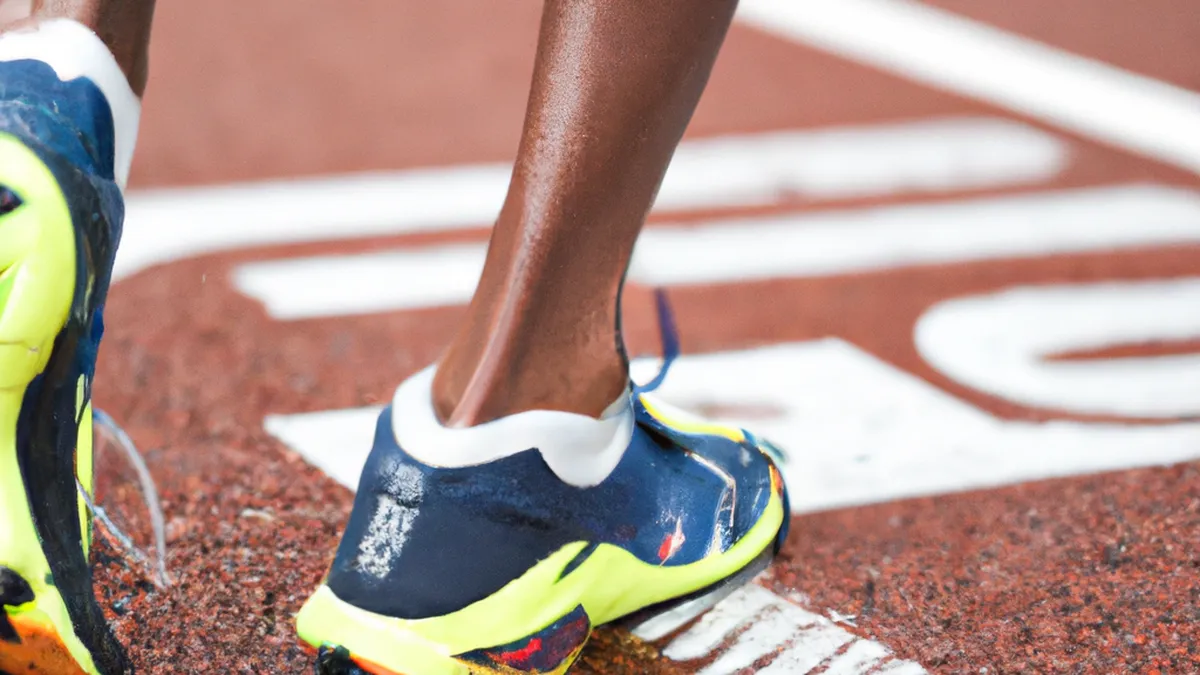
Best Practices for Foot Strike Timing
Timing of Foot Strikes: The Key to Better RunningEvery detail counts in running. The timing of foot strikes is crucial yet often overlooked. Understanding when your foot hits the ground enhances performance and reduces injury risk. This blog post explores foot strike timing, offers tips, and highlights its benefits.
Understanding Foot Strikes
Foot strikes describe how your foot contacts the ground. Runners fall into three categories: heel strikers, midfoot strikers, and forefoot strikers. Each type has advantages and disadvantages. Recognizing your foot strike pattern helps tailor your training.
Types of Foot Strikes
1. **Heel Striking**: The heel lands first, creating a longer braking phase. This common foot strike often increases impact on knees and hips. Heel striking can cause injuries like runner’s knee or plantar fasciitis.2. **Midfoot Striking**: The midfoot lands flat, providing stability and efficiency. This strike reduces joint impact and promotes a natural running gait. Midfoot strikers benefit from a good balance between speed and injury prevention.3. **Forefoot Striking**: The ball of the foot lands first, allowing for a quicker push-off. Sprinters and some distance runners prefer this style. However, it can strain the calves and Achilles tendon if executed improperly.Understanding these types helps you choose the best style for your running form. Experiment with different strikes during training runs to enhance your overall performance.
Timing Your Foot Strikes
As an Amazon Associate I earn from qualifying purchases.
Gear tip: consider gps running watch, ankle resistance bands, and running shoes to support this topic.
Timing is as important as the type of foot strike. The moment your foot contacts the ground influences speed, efficiency, and injury risk. A well-timed foot strike creates a smoother, rhythmic running experience.
Focus on Cadence
Cadence refers to the number of steps taken per minute. Increasing your cadence helps time foot strikes effectively. Aim for 170-180 steps per minute. This rhythm encourages shorter, quicker strides, reducing joint impact and promoting efficient running.Even professional runners use cadence as a key performance metric. A higher cadence typically correlates with better running efficiency. It minimizes ground contact time and allows quicker transitions between strides. Focusing on cadence likely improves your overall running economy.
Practice Your Form
Good form plays a vital role in timing foot strikes. Maintain an upright posture and keep your head aligned with your spine. Engage your core and relax your arms while swinging them naturally.
Conclusion
Mastering foot strike timing enhances your running performance and reduces injury risk. Focus on cadence and practice good form to improve your overall running experience.
Below are related products based on this post:
FAQ
What are the different types of foot strikes in running?
There are three main types of foot strikes: heel striking, midfoot striking, and forefoot striking. Heel striking involves the heel landing first, which can increase impact on the knees and hips. Midfoot striking provides stability and reduces joint impact, while forefoot striking allows for quicker push-offs but may strain the calves if not done correctly.
How does timing affect foot strikes?
The timing of foot strikes is crucial as it influences speed, efficiency, and injury risk. A well-timed foot strike contributes to a smoother running experience, allowing for better performance. Timing your foot strikes effectively can enhance your overall running economy.
What is cadence and why is it important?
Cadence refers to the number of steps taken per minute and is an important metric for timing foot strikes. Aiming for a cadence of 170-180 steps per minute encourages shorter, quicker strides, which helps reduce joint impact. Improving your cadence can lead to better running efficiency and economy.
Part of the Complete Strength Training Guide
Explore more: Endurance & Running Training Hub














Post Comment