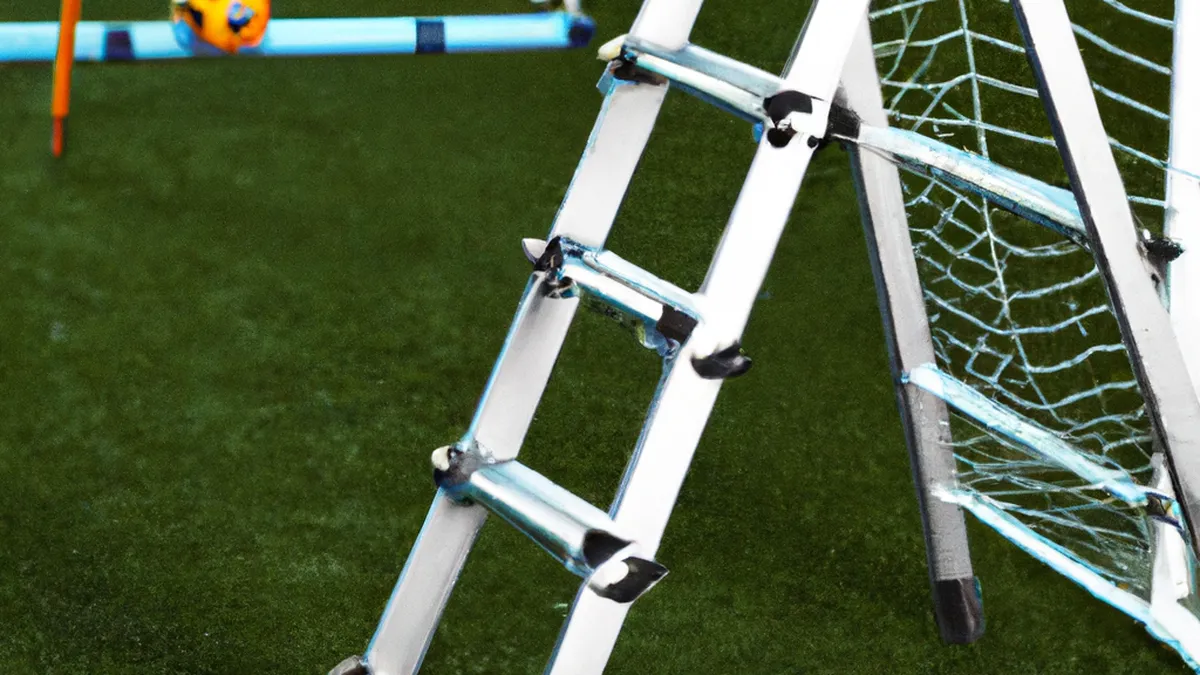
Ladder Drills: Fun and Effective Speed Boost
Speed Training for Recreational AthletesDo you want to boost your speed as a recreational athlete? Speed training enhances your performance in soccer, basketball, or running. With the right approach, you can improve speed and agility while enjoying your sport. This guide offers effective speed training tips, advice, and benefits tailored for you.
Understanding Speed Training
Speed training improves your quickness. It includes exercises that strengthen muscles, build endurance, and enhance coordination. Committing to a speed training regimen yields significant performance improvements.Speed training benefits recreational athletes, not just elites. Anyone, regardless of sport or fitness level, can incorporate speed drills. The key is finding enjoyable activities that fit your schedule.
Tips for Effective Speed Training
As an Amazon Associate I earn from qualifying purchases.
Gear tip: consider basketball, soccer ball, and soccer cleats to support this topic.
1. Warm Up Properly
Warming up is essential before speed training. A good warm-up prepares your muscles and minimizes injury risk. Spend at least 10 minutes on dynamic stretches and light jogging. Include leg swings, high knees, and butt kicks. These exercises activate your muscles and elevate your heart rate for an effective workout.
2. Incorporate Sprinting Drills
Sprinting drills enhance your speed. Start with short sprints of 20 to 40 meters. Focus on maximum effort and proper form. Use a track or flat space for drills. Repeat each sprint several times, allowing adequate rest between sprints. This builds speed and strength, and you can gradually increase the distance.
Sample Sprinting Drill
– **Warm-up**: 10 minutes of light jogging and dynamic stretches.- **Drill**: Sprint 30 meters at maximum effort, then walk back for recovery. Repeat for 8-10 sprints.- **Cooldown**: 5-10 minutes of light jogging and static stretching.
3. Use Resistance Training
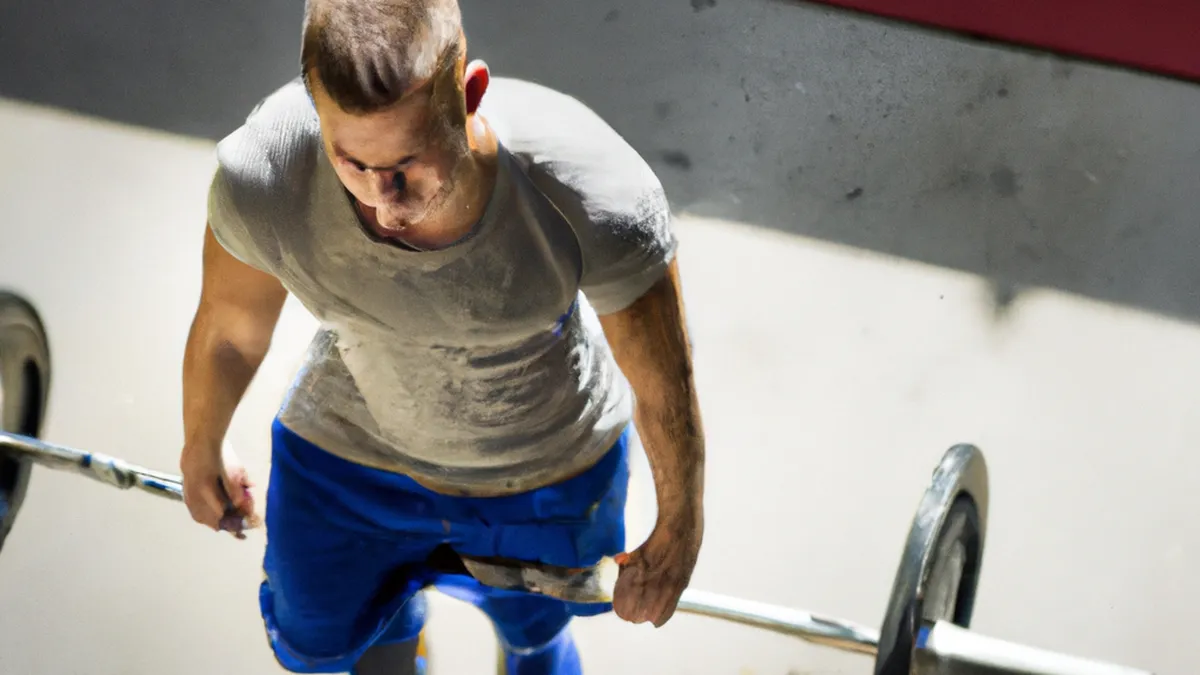
Resistance training significantly improves your speed. Exercises like squats, lunges, and deadlifts build muscle strength, crucial for running power. Stronger muscles help you push forward more effectively, resulting in faster speeds.Aim for two days of resistance training weekly. Focus on both upper and lower body workouts for balanced strength. Include plyometric exercises like box jumps and explosive lunges to improve power and speed.
Sample Resistance Training Routine
– **Day 1**: – Squats: 3 sets of 10-12 reps – Lunges: 3 sets of 10-12 reps per leg
Conclusion
Speed training enhances performance for recreational athletes. Incorporate warm-ups, sprinting drills, and resistance training into your routine for optimal results. Enjoy your journey to improved speed!
Below are related products based on this post:
FAQ
What is speed training?
Speed training is a set of exercises designed to improve quickness and overall athletic performance. It focuses on strengthening muscles, building endurance, and enhancing coordination, making it beneficial for athletes in various sports.
How can I warm up effectively before speed training?
A proper warm-up is crucial for preparing your muscles and minimizing the risk of injury. Spend at least 10 minutes on dynamic stretches and light jogging, incorporating exercises such as leg swings, high knees, and butt kicks to activate your muscles.
What types of exercises should I include in my speed training routine?
Your speed training routine should include sprinting drills and resistance training. Short sprints of 20 to 40 meters will enhance speed, while exercises like squats and lunges will build muscle strength necessary for improved running power.












Post Comment