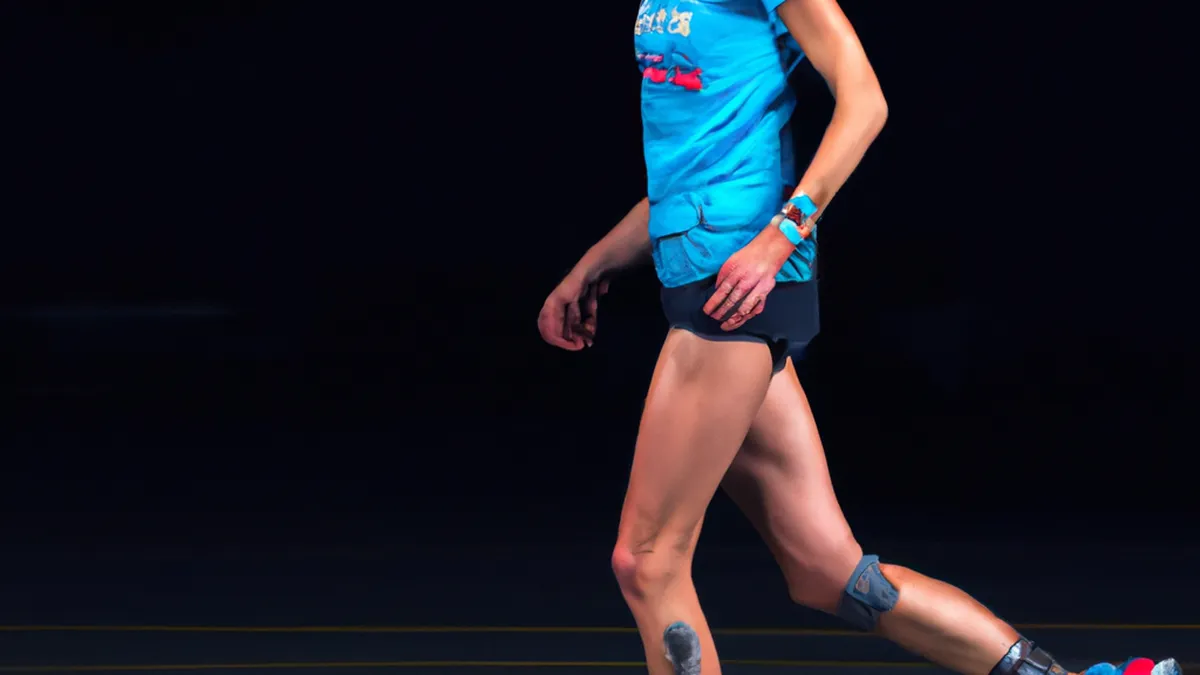
Roll Away Fatigue: Techniques for Fastpackers
Foam Rolling Techniques for FastpackersFastpacking combines hiking and running for an exhilarating outdoor experience. This activity can strain your muscles, so foam rolling helps. Foam rolling effectively relieves muscle tension and improves recovery. Here are techniques for fastpackers.
Understanding Foam Rolling
Foam rolling uses a foam roller to apply pressure on your muscles. This self-myofascial release technique breaks up knots and increases blood flow. It enhances flexibility and reduces soreness. Before hitting the trails, prepare your body.
Prepare Your Gear
Choose the right foam roller before starting. A firmer roller offers deeper pressure, while a softer one is gentler. A shorter roller packs easily for fastpacking.
Find the Right Surface
Find a flat, firm surface to work on. A gym mat or clear ground works well. Ensure enough space to roll comfortably.
Key Foam Rolling Techniques
As an Amazon Associate I earn from qualifying purchases.
Gear tip: consider foam roller, trigger point cane, and massage gun to support this topic.
Incorporate these techniques into your routine to target muscle groups affected by fastpacking.
1. Roll Your Calves
Sit with your legs extended. Place the foam roller under your calves. Use your hands for support, lifting your body off the ground. Roll slowly from your ankles to your knees. Pause on tender spots for 20-30 seconds. This technique alleviates tightness and promotes blood flow.
2. Target Your Quads
Lie face down with the foam roller under your thighs. Shift weight onto the roller and roll from your hips to your knees. Keep your core tight for stability. Pause on tight spots if you feel discomfort. This technique eases tension and improves flexibility.
3. Address Your IT Band
Lie on your side with the foam roller under your outer thigh. Stack your legs and use your arms for support. Roll from your hip to your knee slowly. Adjust your position for comfortable pressure. This technique relieves tightness in the iliotibial (IT) band.
4. Release Your Back
Sit and place the foam roller under your upper back. Lean back and roll from the base of your neck to the middle of your back. Bend your knees and keep your feet flat for stability. This technique releases tension and improves posture.
Tips for Effective Foam Rolling
Maximize foam rolling benefits with these tips.
Roll Before and After Your Hike
Foam rolling before your hike warms up your muscles. It prepares them for challenges ahead. Rolling after your hike aids recovery and reduces soreness.
Listen to Your Body
Pay attention to your body during foam rolling. Ease off the pressure if you feel sharp pain. Prioritize comfort, as foam rolling should feel uncomfortable but not painful.
Incorporate Breathing Techniques
Combine foam rolling with deep breathing. Inhale deeply as you roll over tight spots. Exhale while releasing pressure. This technique enhances relaxation and effectiveness.
Benefits of Foam Rolling for Fastpackers
Foam rolling offers various benefits for fastpackers. It enhances flexibility, leading to better performance and efficiency. Additionally, foam rolling speeds up recovery, helping you bounce back faster.Moreover, foam rolling reduces injury risk by addressing tight muscles. Regular foam rolling maintains optimal muscle health, allowing you to enjoy fastpacking adventures for years.
Conclusion
Foam rolling is a valuable tool for fastpackers. It enhances flexibility, speeds recovery, and reduces injury risk. By incorporating these techniques, enjoy the trails with less discomfort. Roll before and after hikes, listen to your body, and practice deep breathing. With these strategies, tackle your next fastpacking adventure with ease.
Below are related products based on this post:
FAQ
What is foam rolling?
Foam rolling is a self-myofascial release technique that involves using a foam roller to apply pressure on your muscles. This method helps break up muscle knots, increases blood flow, enhances flexibility, and reduces soreness. It is particularly beneficial for fastpackers to prepare their bodies before hiking or running.
How can foam rolling benefit fastpackers?
Foam rolling offers several benefits for fastpackers, including improved flexibility, faster recovery, and reduced injury risk. By addressing tight muscles, it helps maintain optimal muscle health, allowing for better performance and efficiency during outdoor activities. Regular foam rolling can enhance the overall fastpacking experience.
What techniques should I use for foam rolling?
Some effective foam rolling techniques for fastpackers include rolling your calves, targeting your quads, addressing your IT band, and releasing tension in your back. Each technique involves specific body positions and movements to alleviate tightness and promote blood flow. Incorporating these techniques into your routine can significantly improve muscle recovery.














Post Comment