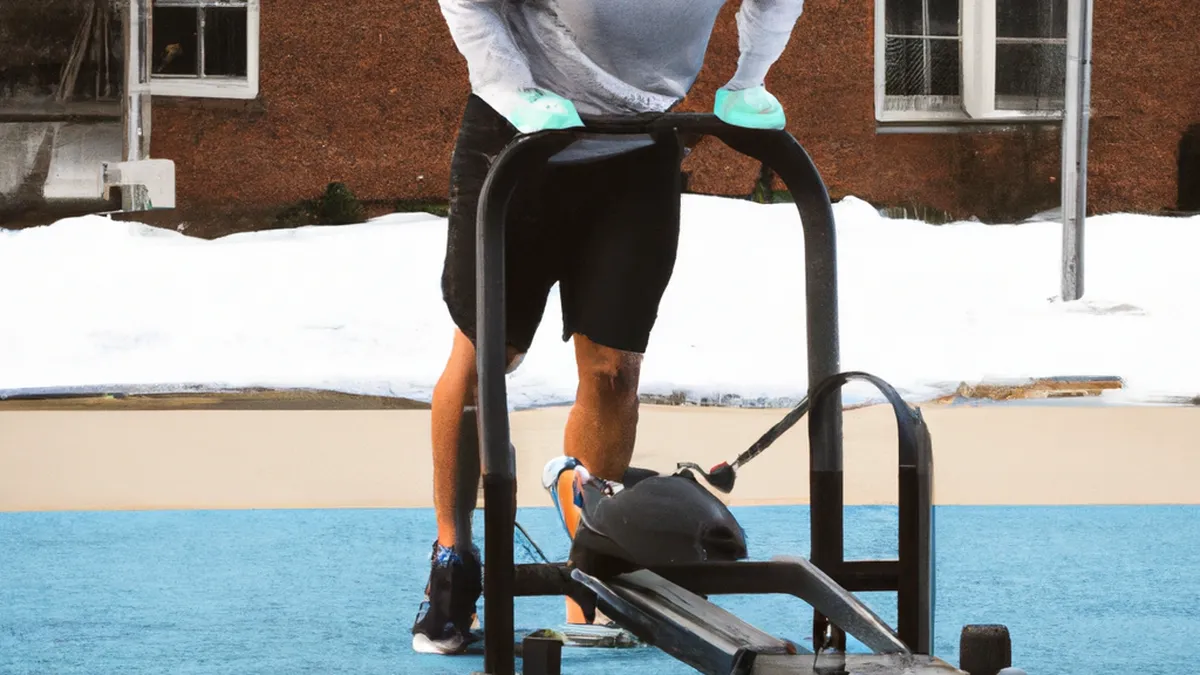
Are You Ready for Sled Training?
Assessing Athlete Readiness for Sled TrainingAthletes increasingly use sled training to develop strength, speed, and agility. This method involves pushing or pulling a weighted sled, enhancing athletic performance significantly. Before athletes begin sled training, they must assess their readiness to ensure safety, prevent injuries, and maximize performance. In this post, we will discuss effective strategies for assessing readiness, expert advice for implementing sled training, and its numerous benefits. We will conclude with key takeaways for coaches and athletes.
Tips for Assessing Readiness
Before starting sled training, evaluate an athlete’s physical and mental preparedness. Here are several key tips for assessing readiness.
Evaluate Physical Strength
First, determine the athlete’s overall strength. Measure maximum lifts in key exercises like squats, deadlifts, and bench presses. These compound movements reveal the athlete’s foundational strength, essential for effective sled training.Next, test core stability. A strong core supports proper sled mechanics and prevents injuries. Incorporate exercises like planks and medicine ball rotations to evaluate core strength. A robust core equips athletes to handle sled demands effectively.
Assess Speed and Agility
Next, evaluate the athlete’s speed and agility. Conduct sprint tests to measure acceleration and top speed. Short sprints over distances of 10 to 40 meters reveal an athlete’s explosive power. Speed plays a critical role in sled training, requiring quick bursts of energy.Incorporate agility drills, such as shuttle runs or cone drills, to assess lateral movement and reaction times. These tests highlight the athlete’s ability to change direction quickly, essential for many sports. Athletes need a good balance of speed and agility to benefit fully from sled training.
Check Mobility and Flexibility
Mobility and flexibility play critical roles in performance. Conduct a functional movement screen (FMS) to identify limitations. This screen highlights tight muscles or joint restrictions that could hinder sled training performance. Address these issues before beginning sled training to prevent injuries.Incorporate dynamic stretches and mobility exercises into warm-ups. Movements like leg swings, hip circles, and torso twists prepare the body for sled pushing and pulling. Adequate mobility allows athletes to perform sled training with proper technique and reduced injury risk.
Mental Readiness
While physical readiness matters, mental readiness is equally important. Assess the athlete’s mindset and motivation for sled training. Some athletes may excel in physical tests but struggle with mental aspects of intense training. Discuss goals, expectations, and any concerns the athlete may have. Ensuring mental preparation can significantly impact performance.
Conclusion
As an Amazon Associate I earn from qualifying purchases.
Gear tip: consider kettlebell, adjustable dumbbells, and olympic barbell to support this topic.
In summary, assessing athlete readiness for sled training involves evaluating physical strength, speed, agility, mobility, flexibility, and mental readiness.
Below are related products based on this post:
FAQ
What is sled training?
Sled training involves pushing or pulling a weighted sled to enhance an athlete’s strength, speed, and agility. This training method significantly improves athletic performance when executed properly.
Why is it important to assess readiness before sled training?
Assessing readiness ensures the athlete’s safety, helps prevent injuries, and maximizes performance during sled training. Evaluating factors like physical strength, speed, agility, and mental preparedness is crucial for effective training outcomes.
What are some key factors to evaluate for athlete readiness?
Key factors include physical strength, speed, agility, mobility, flexibility, and mental readiness. These elements help determine whether an athlete is prepared for the demands of sled training and can perform effectively without risking injury.













Post Comment