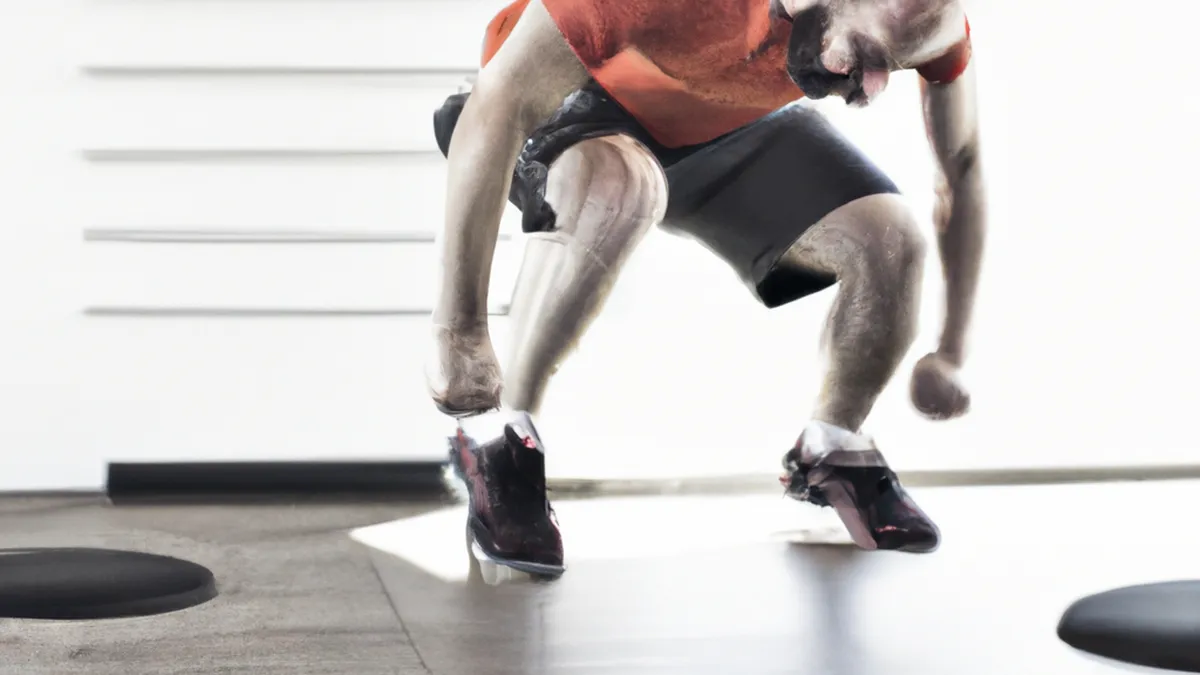
Tabata Techniques for Bodyweight Success
Bodyweight Conditioning for Tabata SessionsFitness enthusiasts favor Tabata training for its effectiveness and time efficiency. This high-intensity interval training (HIIT) method offers a great workout in just a few minutes. Bodyweight conditioning suits Tabata sessions as it requires no equipment and you can perform it anywhere. This blog post explores Tabata training principles, bodyweight conditioning benefits, and tips to optimize your Tabata workouts.
Understanding Tabata Training
Tabata training involves short bursts of intense exercise followed by brief rest periods. Typically, you perform an exercise for 20 seconds at maximum effort, then rest for 10 seconds. You repeat this cycle for a total of four minutes (8 rounds). Dr. Izumi Tabata developed the original Tabata protocol, significantly improving both aerobic and anaerobic fitness levels.Tabata’s simplicity allows you to choose various exercises. This flexibility makes it easy to create a workout that matches your fitness level and preferences. Your goal is to push your limits during work intervals, leading to improvements in cardiovascular fitness, muscular strength, and endurance.
Why Bodyweight Exercises?
As an Amazon Associate I earn from qualifying purchases.
Gear tip: consider compression sleeves, compression socks, and percussive massager to support this topic.
Bodyweight exercises offer incredible versatility and effectiveness. They engage multiple muscle groups simultaneously, making workouts more efficient. You can easily modify bodyweight exercises to suit any fitness level, which is especially important in a Tabata setting.Bodyweight conditioning also improves functional strength, enhancing your ability to perform daily activities. Whether lifting groceries, climbing stairs, or playing with your kids, bodyweight exercises help you tackle these tasks with greater ease.
Tips for Effective Bodyweight Conditioning
1. Choose the Right Exercises
Select effective bodyweight exercises for a successful Tabata session. Focus on full-body movements that engage multiple muscle groups. Here are some excellent options:- **Squats:** Build strength in the legs and glutes.- **Push-ups:** Target the chest, shoulders, and triceps while engaging the core.- **Burpees:** Combine a squat, push-up, and jump for maximum intensity.- **Planks:** Build core strength and stability.- **Mountain Climbers:** Elevate your heart rate while working your core and legs.
2. Maintain Proper Form
Prioritize quality over quantity. Perform each movement with proper form to prevent injuries and maximize effectiveness. If you’re unsure about your form, consult a fitness professional or use online resources to learn correct techniques.
3. Warm Up Beforehand
Warm up before starting your Tabata sessions. A good warm-up prepares your body for intense exercise.
Conclusion
In summary, Tabata training and bodyweight conditioning offer effective workouts for busy individuals. Implement these tips to optimize your Tabata sessions.
Below are related products based on this post:
FAQ
What is Tabata training?
Tabata training is a form of high-intensity interval training (HIIT) that consists of short bursts of intense exercise followed by brief rest periods. Typically, you perform an exercise for 20 seconds at maximum effort, followed by a 10-second rest, repeating this cycle for a total of four minutes.
Why are bodyweight exercises recommended for Tabata sessions?
Bodyweight exercises are versatile and effective, engaging multiple muscle groups simultaneously. They can be easily modified to suit any fitness level, making them ideal for the fast-paced nature of Tabata training.
What are some effective bodyweight exercises for a Tabata workout?
Effective bodyweight exercises for Tabata workouts include squats, push-ups, burpees, planks, and mountain climbers. These movements engage various muscle groups and help improve strength, endurance, and cardiovascular fitness.













Post Comment